Summary
- Definition of the Classic Car Registration Card
- Advantages of the Classic Car Registration Certificate
- Disadvantages of the Classic Car Registration Certificate
- Regulations and Procedures Related to the Classic Car Registration Card
- The Classic Car Market and Its Specific Features
Definition of the Classic Car Registration Card
The term classic car registration card is often misunderstood. In reality, it is now referred to as a « classic car registration certificate » (CIC), a designation reserved for vehicles over 30 years old that are no longer in production and whose characteristics have been preserved. Consequently, it is the vehicle that is considered a classic car, not just the classic car registration card itself. This regulation does not apply automatically; it is the owner who must initiate the procedure to obtain this status. While it is true that becoming a « classic car » confers advantages, it also implies that the vehicle will no longer be considered a simple means of transportation, but rather a heritage object. The transition to the CIC (French National Car Registration Centre) has been made slightly easier since 2009, with the introduction of the new vehicle registration system (SIV). Previously, classic vehicles were restricted to travel within their own department and neighboring departments. This requirement for prefectural authorization has been abolished, thus offering greater freedom to owners of these classic cars. Applying for a certificate of conformity is also a crucial aspect in transforming a classic vehicle into a classic vehicle. For approval, documents such as a certificate must be provided to the registration authority.
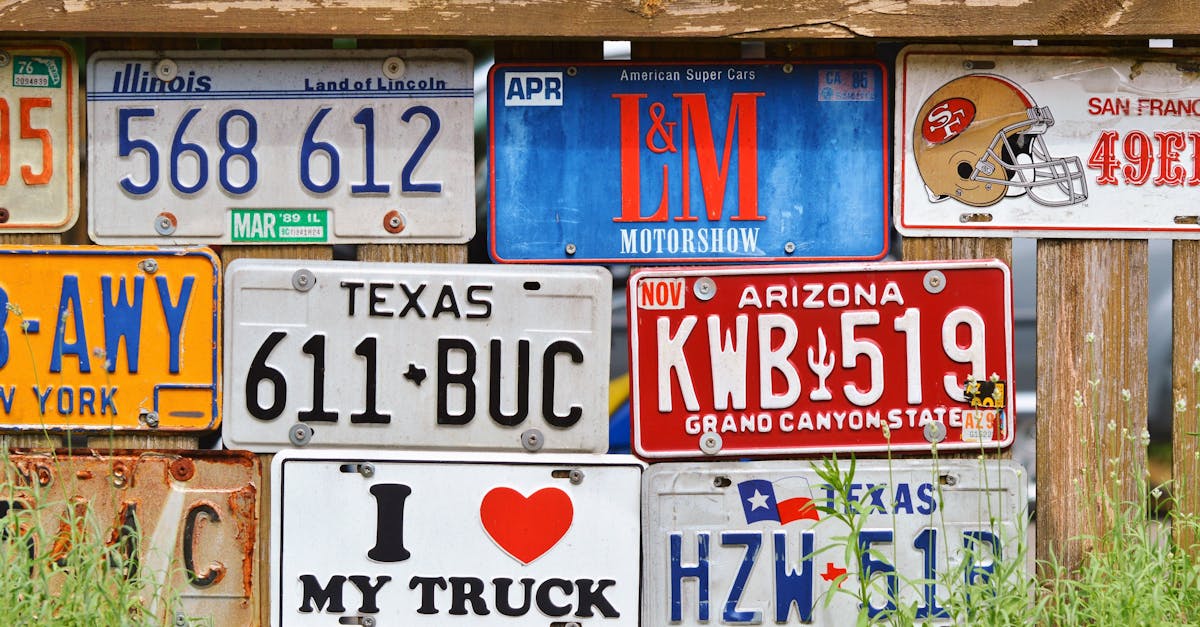
Discover the exciting world of vintage vehicle registration. Find tips for registering your classic car, explore the history of license plates, and immerse yourself in classic car culture. Get ready to bring the charm of the past to life on today’s roads! The Benefits of a Classic Car Registration Certificate Owning a car classified as a classic car isn’t just about prestige; owners benefit from several significant advantages. From more flexible MOT to expanded driving possibilities, here’s an in-depth analysis of the main benefits. 🔧MOT every five years
: One of the main advantages of the MOT is the extended validity period. Vehicles benefit from less frequent inspections than other vehicles. For cars manufactured before 1960, the MOT may even be waived.
🌍

: Unlike the restrictions imposed on normal vehicles, there are no longer any travel restrictions. This means owners can drive their classic cars wherever they want, even internationally.
🏳️🌈 Free registration platforms : The regulations give owners the freedom to choose their registration format. The old plates, typically black and silver, can once again be used, enhancing the authenticity of the vehicles.
- 🚗 Registration facilities : Unlike traditional registration procedures, obtaining a CIC does not require a European certificate of conformity, simplifying life for those wishing to register rare or imported models.
- Advantages Details MOT every 5 years
- Reduces stress and maintenance costs Unlimited circulation No geographical restrictions
- Free registration platforms Preservation of vintage style Easy registration
| Less registration paperwork | These advantages are attracting more and more car restoration enthusiasts |
|---|---|
| as well as classic car enthusiasts. While these advantages are numerous, it is still important to consider the associated disadvantages. | https://www.youtube.com/watch?v=_oppkCfTCsY |
| The disadvantages of the classic car registration certificate | Like any system, the classic car registration certificate is not without its drawbacks. While the advantages are attractive, the disadvantages must also be considered by potential owners. Let’s explore these less attractive aspects. |
| 📄 | Documents required: |
| To obtain a classic car registration certificate, you must provide a certificate certifying the vehicle’s classic car status. This process adds a layer of complexity. ⚖️ | No recourse in case of hidden defects |
: When purchasing a classic car, the buyer cannot take action against the seller in the event of an undisclosed defect. This represents an additional risk to consider. ⚙️ Required original condition : This type of vehicle must remain in its original condition. Major modifications can cause it to lose this status, making some modifications complex.💼
: Converting to a classic car registration card restricts commercial use. This is problematic for those who plan to make their old vehicle profitable, such as by renting it out.
Disadvantages
- Details Documents required Lengthened administrative process
- No recourse in case of hidden defects Increased risk during purchase Required original condition
- Major modifications prohibited Prohibition on professional use Restriction on commercial use
- It’s essential for potential owners to think carefully before registering their vehicle as a classic car, especially if they plan to use it for commercial purposes. Now, let’s take a look at the regulations and procedures involved. Discover the fascinating world of vintage vehicle registration. Get practical advice, information on the laws, and procedures for registering your classic vehicle while preserving its authenticity and history. Regulations and Procedures Related to the Classic Car Registration Card
| The regulations surrounding the classic car registration certificate are quite strict and must be taken seriously. The process and requirements for obtaining the CIC are crucial for anyone considering this option. | 🔑 |
|---|---|
| Administrative Procedure | : The CIC application requires several documents, including a certificate issued by the manufacturer or a competent organization such as the French Federation of Vintage Vehicles (FFVE). 📝 |
| Eligibility Requirements | : For a vehicle to be eligible for a classic car certificate, it must be over 30 years old, no longer produced or sold, and have original features. |
| 📉 | Application Fees |
| : In addition to the usual registration fees, there are often fees associated with the certificate, approximately €60 for a certificate issued by the FFVE (French Vehicles and Vehicles Agency). | Understanding these requirements is essential to avoid potential problems when renewing registration or classic car insurance. |
Key Points Details Administrative Procedure

Eligibility Requirements
Over 30 Years Old, Not Sold
- Application Fees Expected Cost of the Certificate Beyond the administrative requirements, potential owners should also consider how these vehicles compare to the
- Classic car market , a sector experiencing fascinating and constantly evolving dynamics. https://www.youtube.com/watch?v=njD7wgE2p1E
- The classic car market and its specificities The classic car market is booming, attracting enthusiasts and investors. In 2025, this sector will continue to grow thanks to the appreciation of vintage bodies
and
| classic equipment | . |
|---|---|
| 💰 | Classic Car Valuation |
| : The price of classic vehicles can vary considerably depending on their condition, rarity, and history. Demand for specific models can drive prices skyrocket, making some cars profitable investments. | 🏆 |
| Car Clubs and Events | : Involvement in classic car clubs provides access to various classic vehicle events, information exchange, and gathering opportunities. It also fosters a network of valuable contacts. 📈 |
Current Trends : Significant changes are being observed in consumer preferences, with strong demand for vintage electric models and hybrid restorations, merging tradition and modernity.Market Overview
Valuation
Varies depending on condition and rarity Car Clubs Sharing and Preserving Automotive Heritage TrendsGrowing Demand for Eco-Friendly Restorations
- The classic car market is therefore not without its challenges. Taking into account regulatory features and trends, enthusiasts must carefully navigate this fascinating world. Let’s continue with an FAQ to answer common questions related to classic car registration documents. FAQ ❓
- What are the requirements for obtaining a classic car registration document? The vehicle must be over 30 years old, no longer produced or sold, and retain its original characteristics. ❓
- Can I use my classic car for commercial purposes? No, vehicles with a classic car registration certificate cannot be used for commercial purposes. ❓
| What are the administrative procedures for obtaining a CIC? | You must prepare an application with a certificate from the FFVE (French Federation of Vehicle Insurance) or the manufacturer, in addition to the usual documents for the registration certificate. |
|---|---|
| ❓ | Are there any driving restrictions for classic vehicles? |
| No, vehicles with a classic car registration certificate no longer have any driving restrictions. | ❓ |
| What are the advantages of insuring my classic car? | Insurance rates are often lower for classic vehicles, thanks to their low mileage. |