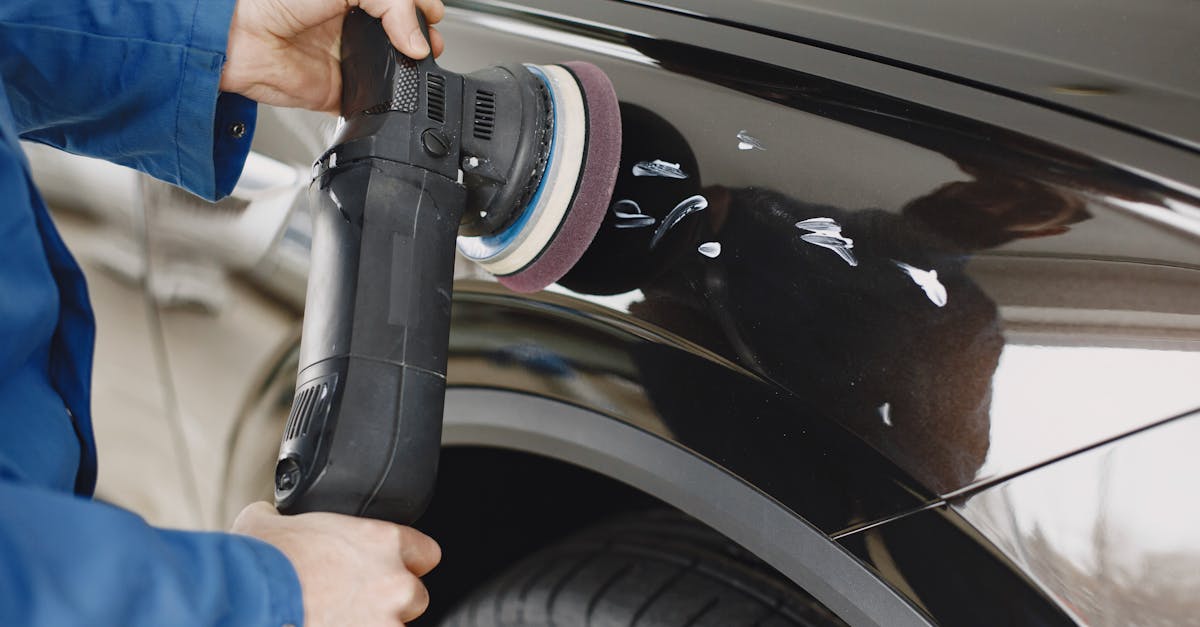
Your vehicle’s bodywork is subjected to daily impacts from weather conditions, external agents, and sometimes the clumsiness of other drivers, which can lead to the appearance of various undesirable stains. This practical guide offers effective and precise methods for removing these marks, from tar to paint splashes, from super glue to insect marks, in order to preserve the aesthetics and protection of your car. A vehicle’s bodywork is subjected to daily impacts from weather conditions, external factors, and sometimes the involuntary actions of other drivers, which results in various stains and dirt. This practical guide presents technical methods for effectively removing these various stains while preserving the integrity and aesthetics of your bodywork. We cover suitable solutions for removing super glue, paint splashes, tape marks, mosquitoes, bird droppings, and tar. Removing super glue from the bodywork To remove a super glue stain, it is essential to begin by thoroughly cleaning the affected area with warm, soapy water, ideally using dish soap or a specialized bodywork cleaner. Next, use a powerful hair dryer to heat and soften the glue. Once softened, the glue should be gently removed using a plastic card or a special scraper to avoid scratching the paintwork. The process can be repeated if necessary, followed by cleaning and applying a protective wax to restore the original shine. Removing paint spills Removing paint splatters first requires identifying the type of paint: oil-based or water-based. For oil-based paint, a wooden spatula is used to scrape off the thick layer, then dissolve the residue with white spirit or acetone, making sure to rinse frequently to protect the bodywork. For water-based paint, it is recommended to use a cloth soaked in acetone or nail polish remover, using light rubbing motions without focusing on any one area to avoid weakening the original paint. A popular alternative is the use of cleaning clay, which, when applied with a lubricant, gently removes impurities. Waxing is then required for optimal results.
Removing Tape Marks
Tape marks are mainly the result of glue residue. The recommended method is similar to that used for super glue: heat the deposits with a hair dryer, then carefully scrape them off with a plastic tool. This approach preserves the surface while removing stubborn residue.
Removing mosquito and insect marks
Insect marks on the front of the car require rapid intervention, as the longer the stains persist, the more firmly they adhere to the paint. Applying white vinegar with a damp cloth is effective: after letting it sit for a few minutes, rinsing with clean water removes the marks. Specialized car care products are also available in stores to specifically target these stains.
Cleaning bird droppings
Bird droppings, which are highly corrosive, require quick and precise action. A cloth dampened with warm water should be applied to soften the stain, followed by a cleaning product specifically designed for bodywork. It is crucial not to leave the product on for too long to avoid damaging the paintwork. The delicate cleaning process should be completed by rinsing, drying, and treating with a protective wax.
Removing Tar Stains
To treat tar, the application of a degreasing product such as WD-40, a specific tar cleaner, or Goo Gone is recommended. These solutions soften the stain, making it easier to wipe off with a cloth. If necessary, the process can be repeated to completely remove the stain, followed by a standard wash to remove any remaining product.
For more extensive damage or more advanced expertise, it is advisable to seek the services of professionals specializing in bodywork repair. You can also consult practical resources and reliable garage comparison sites to find the right garage near you. To explore these techniques in more depth, dedicated articles are available, offering additional advice and specific solutions for each type of stain encountered.
https://www.youtube.com/watch?v=UtQvCeMyeQg
On a daily basis, your car’s bodywork is exposed to various external factors such as weather, insect residue, glue, paint, and even tar and bird droppings. This technical guide offers effective methods for removing these stains without damaging your vehicle’s paintwork, emphasizing the use of suitable products and meticulous procedures.
Removing super glue from the bodywork
To remove a super glue stain
Start by washing the surface with a mild soap or a specialized bodywork cleaner. Then, use a powerful hair dryer to soften the glue before gently scraping it off with a plastic card to avoid scratching. Repeat this process if necessary, then finish by cleaning and applying wax to restore the original shine.
The type of paint being sprayed—water-based or oil-based—determines the method to use. For oil-based paint, first scrape with a wooden spatula, then rub the residue with a cloth soaked in white spirit or acetone, taking care to rinse regularly with clean water. If the paint is water-based, using a damp cloth with acetone is often sufficient. Car cleaning clay is also a gentle and effective alternative. Removing Tape Marks
Tape marks are generally the result of residual glue. Use the same process as for strong glue: heat the area with a hair dryer to soften the glue, then gently scrape it off with a plastic card without damaging the bodywork.
Removing Insect and Mosquito Marks Insect marks can adhere firmly to the bodywork. Act quickly to prevent them from becoming embedded. Soak a cloth in white vinegar and gently rub the surface. Let it sit before rinsing with clean water. You can also opt for specific cleaning products sold in specialty stores.Removing Bird Dropping Stains
Bird droppings are harsh on paintwork. Dampen the stain with a cloth in warm water to soften it, apply a special bodywork cleaner, then rub gently. Rinse thoroughly, dry, and protect the area with a suitable wax.
Removing Tar Stains
Tar can be easily removed using products like WD-40, a special tar remover, or Goo Gone. Apply the product to soften the stain, wipe with a soft cloth, and repeat if necessary. Finish with a thorough body wash. For complete maintenance and additional solutions, you can consult specialized resources such as Grandma’s tips for bodywork care
or methods for
cleaning the toughest stains . Your car’s bodywork is subjected to daily external aggressions such as dust, tar, glue, and even insects. This technical article offers effective methods for removing these stains without damaging your paintwork. From strong glue to bird droppings and paint splashes, follow these rigorous and precise tips to restore your bodywork to its original shine. Removing super glue from the bodywork
To remove a super glue stain, start by cleaning the affected area with warm water and a mild soap, such as dish soap or a specialized bodywork cleaner. Then, using a hair dryer set to the highest heat setting, soften the glue by heating the surface. This step makes it easier to remove.
Use a plastic card or a scraper designed for delicate surfaces to gently scrape off the softened glue. Work carefully to avoid scratching the paintwork. If necessary, repeat the heating and removal process. Finally, clean the area and apply a protective wax to restore the bodywork’s shine.
Removing paint spills
Identifying the type of paint is crucial before beginning: oil-based or water-based paint. For oil-based paint, gently scrape off the thickest layer with a wooden spatula, avoiding any abrasive metal tools. Then, dab a cloth soaked in white spirit or acetone on the residue and rinse regularly to limit the impact on the paint. If the stain is water-based paint, it is best to apply a cloth dampened with acetone or nail polish remover without scraping. Rub evenly to avoid damaging the bodywork. An effective alternative is to use cleaning clay, which removes stubborn pigments without abrasion. After treatment, wash and wax the bodywork to protect the surface. Removing Tape Marks
Tape marks are generally glue residue. Proceed as for strong glue: heat the area with a hair dryer to soften the glue, then peel it off with a plastic card. This will prevent surface scratches. Removing mosquito and insect marks Insect marks on the bodywork, if left for a long time, can damage the paintwork due to their acidity. To remove them quickly, soak a cloth or tissue in white vinegar, then rub the surface. Let it sit for a few minutes before rinsing thoroughly with clean water. For those who prefer, specific car care products can also be used, offering a quick and safe solution.Cleaning bird droppings
Bird droppings are very aggressive on car paintwork. It is recommended to treat them quickly. Start by dampening the stain with a cloth soaked in warm water to soften it. Then apply a specialized car cleaner and let it sit for a few minutes.
Rub gently with a soft cloth without forcing. Once the stain is removed, rinse, dry, and apply a protective wax to prevent further drying.
Removing Tar from the Bodywork
Tar residue is common on bodywork, especially after driving on paved roads. Applying a suitable product such as WD-40, Goo Gone, or a special tar cleaner helps soften stains.
After letting it sit for a few minutes, remove the tar with a clean cloth. Repeat the process if necessary, then wash the entire surface to remove any remaining product.
To learn more about these techniques and how to treat stubborn stains, also consult
this detailed guide
and
this specialized resource
.
If, despite these interventions, the bodywork suffers more significant damage, consider calling a professional. Easily find an expert auto body repair shop using an online comparison tool to guarantee quality repairs. Discover our effective tips for removing stains from your car’s bodywork. Easily renew your vehicle’s appearance with our specialized tips and products.
Your car’s bodywork is constantly exposed to multiple factors: bad weather, accidental splashes, or even contact with other drivers. To preserve its shine and extend its lifespan, it’s essential to know how to effectively treat the various stains that can occur.
The key to successful removal lies in understanding the type of stain. For example, adhesives and strong glue require first softening with a hair dryer before being gently scraped off with a plastic card. Paint spills, on the other hand, require differentiated treatment depending on whether the paint is oil-based or water-based, with the judicious use of appropriate solvents and non-abrasive tools to protect the surface.
Tape marks can often be treated like strong glue, while insect and mosquito residue require rapid intervention with white vinegar or specific products to prevent irreversible adhesion to the paintwork. For bird droppings or tar stains, moistening and the use of dedicated cleaners can effectively dissolve these contaminants. In short, regular and methodical maintenance using suitable products is essential to restore a clean and shiny bodywork and thus limit any major damage.
Your vehicle’s bodywork is subjected to various external aggressions on a daily basis, such as bad weather, paint splashes, glue marks, insects, and even tar splatters. Each type of stain requires a specific method to be safely and effectively removed without damaging the paint or the bodywork surface. This technical guide presents the best practices for treating common bodywork stains while preserving the integrity of your vehicle.
Removing super glue
To remove a super glue stain
On your bodywork, start by cleaning with warm water and a mild soap, such as dish soap or a dedicated automotive cleaner. After rinsing, heat the glue with a powerful hair dryer on high. This step softens the adhesive, making it easier to remove. Then use a plastic card or a special scraper to gently scrape off the softened glue. Be careful not to scratch the paint. Repeat the heating and scraping process as needed. Finish by thoroughly washing the area and applying a protective wax to restore its original shine.
Removing Paint Splatters You must first identify whether the splatter is oil-based paint or water-based paint, as the treatments differ. For oil-based paint, start by scraping gently with a wooden spatula to avoid damaging the bodywork. Next, apply a cloth soaked in white spirit or acetone to the residue, rubbing gently while rinsing regularly. For water-based paint, a simple damp cloth with acetone or nail polish remover will do the trick without requiring prior scraping. A very effective alternative is to use a self-cleaning clay moistened with a specific lubricant, rub gently, and then rinse. Don’t forget to apply a finishing wax to maintain the shine. Removing Tape Marks Seemingly trivial tape marks are actually glue deposits that can damage the bodywork if not treated properly. The process is similar to that for super glue: heat the area with a powerful hair dryer to soften the glue, then gently scrape it off with a plastic tool. Once the stain is removed, clean and protect the surface with a suitable wax.Treating mosquito and insect stains
Squashed insects on the bodywork adhere quickly to the paintwork and become difficult to remove if left untreated. For effective cleaning, use white vinegar applied to a cloth or fabric wrapped in pantyhose to avoid scratches. Rub the affected area, let it sit for a few minutes, then rinse with clean water. Repeat the process if necessary. You can also use specialized car care products.

Bird droppings are highly corrosive and must be treated quickly. Dampen the stain with a cloth and warm water to soften it, then spray on a specific bodywork cleaner. Let it sit for a few minutes, but not too long to avoid damaging the paintwork. Then rub gently with a soft cloth, rinse with clean water, and dry before applying a protective wax. Removing Tar Stains
To remove stubborn tar, apply a product like WD-40, tar remover, or Goo Gone, which will soften the sticky resin. Wait a few minutes, then wipe with a clean cloth. Repeat if necessary, then thoroughly wash the car to remove any remaining product.
@mr.craftss0 Astuces Ingénieuses Qui Vont Changer Votre Vie 🌟 Quotidienne (astuces créative – tips – idéo idées) #nettoyage #propreté #astuce #idées #creative #pourtoi #viral_video #france #tiktokfrance🇨🇵 #paris
♬ son original – Mr crafts
Discover our effective methods for removing car body stains. Restore your vehicle’s shine with our expert tips and products for a perfect clean.
Strong glue:
Clean, heat with a hair dryer, and scrape with a plastic card. Oil-based paint: Scrape with a wooden spatula and dissolve with white spirit or acetone. Water-based paint:
Rub with a cloth soaked in acetone or use cleaning clay.
Tape marks: Same as the strong glue method: heat and gently scrape. Insect marks: Soak a cloth in white vinegar, rub, let it sit, then rinse.Bird droppings: Wet the cloth, apply car cleaner, let it sit, then rub gently. Tar:
Apply WD-40 or a specialized product, let it sit, wipe, and repeat if necessary.
Post-cleaning maintenance:
Always rinse and wax to restore shine and protect the paintwork.
Conclusion: Preserve the shine of your bodywork with proper maintenance. Maintaining the cleanliness and condition of your vehicle’s bodywork is essential to ensure not only its aesthetics but also its durability. The various stains that can be found, whether strong glue, paint, insect residue, bird droppings, or even tar, require specific methods to be removed effectively without damaging the painted surface. It is essential to adopt a rigorous technical approach. First, a preliminary cleaning with hot water and a suitable product prepares the surface. Using specialized products, such as white spirit for oil-based paint or white vinegar for insects, allows you to remove stubborn stains while respecting the coating. Using soft tools like microfiber cloths or plastic spatulas limits the risk of scratches.
Heating certain stains, particularly glue or tape marks, with a powerful hair dryer is an effective technical trick to facilitate their removal. Likewise, the application of waxes and protections after cleaning restores the bodywork to its original shiny appearance and helps protect it against future attacks.
Finally, in cases where the damage is too severe or difficult to repair, it is recommended to call a professional bodywork specialist. A specialized garage can perform more in-depth work to ensure the integrity of your vehicle. Regular maintenance, combining appropriate methods and products, is the best prevention to prolong the shine and aesthetic performance of your bodywork over the long term.
FAQ – Removing Stains from Your Vehicle’s Bodywork
Q:

- Start by cleaning the area with warm water and soap, then heat the glue with a powerful hair dryer to soften it. Then use a plastic card or a special scraper to carefully scrape off the glue to avoid scratching the bodywork. Finally, clean and apply wax to protect and shine the surface. Q:
- What is the method for removing an oil-based paint stain from a bodywork? A: First, gently scrape the paint off with a wooden spatula. Then, dab the area with a cloth soaked in white spirit or acetone, rubbing gently. Rinse regularly with clean water to avoid damaging the original paint.
- Q: How do I treat a water-based paint stain on the bodywork?
- A: Apply a damp cloth soaked in acetone or nail polish remover to the stain without first scraping it off. Rub gently, keeping the cloth damp to avoid damaging the paint. After the stain has disappeared, wash the surface with soap and water, then rinse thoroughly.
- Q: Is there an environmentally friendly alternative to acetone for removing paint?
- A: Yes, you can use automotive cleaning clay. Form a ball of clay moistened with lubricant, then gently rub the stain. Wipe away the residue and finish with a coat of wax to restore the shine.
- Q: How do I remove tape from the bodywork?
- A: Proceed as you would for removing super glue: heat the glue with a hair dryer, then gently scrape it off with a plastic card to avoid damaging the surface.
Q:
What is the best method for removing insect and mosquito marks? A: Use white vinegar applied with a cloth wrapped in pantyhose, rub the affected area, and let it sit for a few minutes before rinsing with clean water. It is important to act quickly to facilitate removal. Specialized car care products can also be used.
Q:
How do I remove bird droppings from the bodywork? A:
Wet the stain with a cloth and warm water to soften it, spray it with a car cleaner, and let it sit briefly. Then, rub gently with a soft cloth, rinse, then dry and wax the treated area. Q: What technique should I use to remove tar stains?
A:
Apply a softening product like WD-40 or Goo Gone to the tar stain. Let it sit for a few minutes, then wipe with a clean cloth. Repeat if necessary, then wash the bodywork to remove any remaining product.