
Since the arrival of the third generation of the Peugeot 308 in 2021, the French manufacturer has steadily strengthened its position in the compact segment. With a rich offering including gasoline, diesel, plug-in hybrid, and electric versions, the brand is diversifying its offerings to appeal to a wide audience. In 2024, the flagship new model remains the Peugeot 308 Hybrid 136 e-DSC6, a version that marks the evolution towards mild hybridization integrated with a 1.2-liter Puretech engine, offering an attractive compromise between performance, efficiency, and price. Boasting a harvest of 136 horsepower, this version stands out in the automotive landscape thanks to its promising figures and innovative technologies.
This model introduces a new electric powertrain called e-DSC6, powered by a small 0.432 kWh battery, paired with a dual-clutch transmission. This configuration aims to improve fuel consumption, reduce emissions, while ensuring pleasant driving dynamics. Faced with competitors like Renault, Citroën, Volkswagen, and even Toyota, the Peugeot 308 Hybrid seems to be focused on fuel efficiency and driving pleasure. The move upmarket, the pursuit of comfort that’s both technological and practical, and a compelling entry-level price starting at €31,950 make this version an option worth considering for a wide range of demanding drivers.
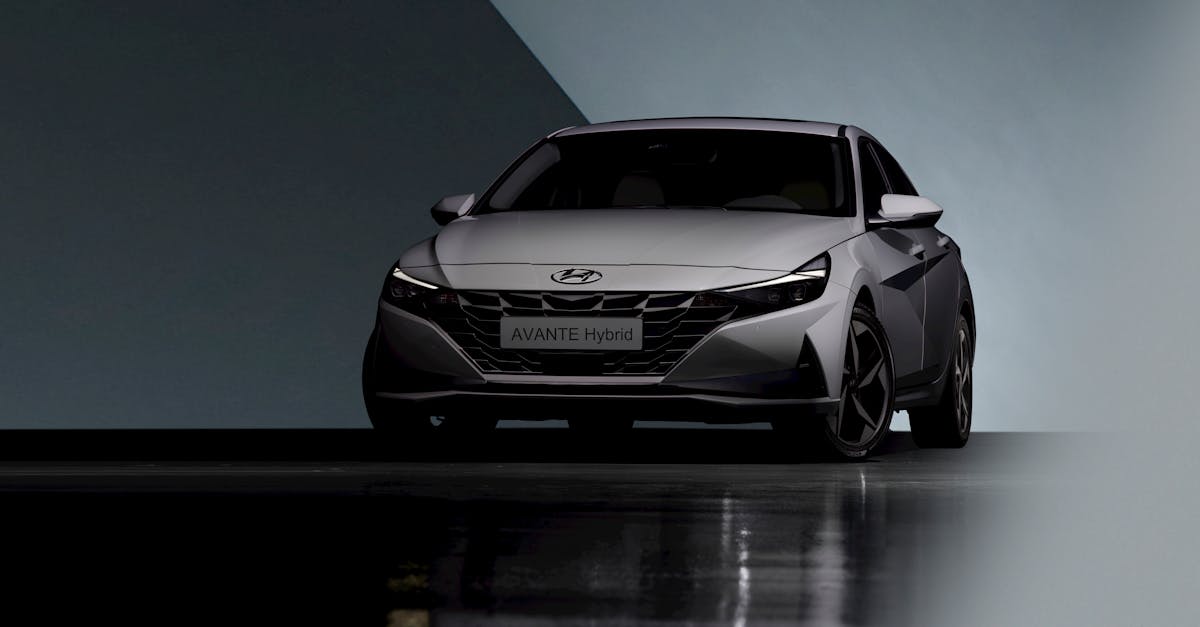
Technological innovations that reshape the performance of the Peugeot 308 Hybrid 136 e-DSC6
The Peugeot 308 Hybrid 136 e-DSC6 features an innovative combination of a 1.2-liter Puretech timing chain gasoline engine and a lightweight electric powertrain. This configuration was not chosen at random, but with the specific objective of optimizing responsiveness and fuel consumption, while maintaining driving comfort. Developed specifically for this model, the e-DSC6 technology relies on a compact yet efficient battery, capable of providing electric assistance during acceleration or for maneuvering in the city.
This mild hybrid duo is distinguished by intelligent energy management, allowing a seamless transition between combustion and electric power. The 6-speed dual-clutch gearbox, manufactured by Punch, ensures precise and fast transmission, reinforcing the feeling of dynamism. Performance lives up to expectations, with a top speed of 210 km/h and a 0 to 100 km/h sprint in 9 seconds. With this technology, Peugeot is not only seeking to reduce its environmental impact, but also to offer a driving experience that doesn’t sacrifice liveliness or pleasure.
| Key Features | ⚙️ Details |
|---|---|
| Puretech 1.2L chain-driven petrol engine, 136 hp, reduced vibrations | Electric Motor |
| e-DSC6, 0.432 kWh battery, Rear-wheel drive assist | Transmission |
| 6-speed dual-clutch transmission, Punch-engine construction | Performance |
| Top speed: 210 km/h, 0-100 km/h: 9.0 s | https://www.youtube.com/watch?v=jEwVOKkF6e8 |
The Peugeot 308 Hybrid 136 e-DSC6 boasts figures that can make all the difference for the driver. With an official average fuel consumption of around 4.7 l/100 km, it ranks among the most fuel-efficient in its category. In comparison, the variant with the old 130 hp engine often exceeded 5.6 l/100 km, which was an important factor when it came time to do the final calculations at the end of the month. The reduced fuel consumption is not only limited to a reduced environmental impact, but also reflects lower running costs.
CO2 emissions have never been so closely scrutinized as in 2025: the Peugeot 308 Hybrid does not exceed 110 g/km, a threshold that allows it to avoid certain penalties and benefit from financial assistance in many European countries. Added to this advantage is its remarkable road performance, as it can reach speeds in excess of 200 km/h while remaining elegant and quiet thanks to the cabin’s enhanced insulation. Its relative lightness, despite an increase of 85 kg compared to the pure combustion version, reflects the search for harmony between technology and efficiency.
Key criteria
| 🔢 Result Urban fuel consumption | 📉 5.5 l/100 km |
|---|---|
| Highway fuel consumption | 📉 < 5 l/100 km |
| Electric range | 🚗<400 meters in electric mode only |
| CO2 | 💨 110 g/km |
| https://www.youtube.com/watch?v=zbBrrwSUW3g | Interior comfort and build quality that redefine the driving experience |
The latter suffers from a steering wheel positioned too low, partially obscuring the instruments, making it difficult to read essential information while driving. In terms of navigation, the central screen is not large enough or responsive enough, which can be frustrating when using the multimedia system with CarPlay or Android Auto. Storage capacity, on the other hand, is pleasant, with well-designed spaces, including a large glove box and door storage compartments. 👑 Comfortable driver’s seat, optionally electric and extendable
🎵 Optional premium audio system
🛠️ Spacious and accessible storage
- 🚘 Equipped with the latest version of the i-Cockpit
- Discover the hybrid universe, an innovative fusion of technologies and concepts that redefines our daily experiences. Immerse yourself in a world where the best of both worlds come together to create sustainable and high-performance solutions.
- Driving sensations and on-road dynamics
- The Peugeot 308 Hybrid 136 e-DSC6 offers a driving experience that combines performance and comfort. Starting the engine, while somewhat rough, often requires a push of the starter button or the automatic transmission, and requires a little patience. Around town, the flexibility provided by mild hybrid technology allows for smooth starts, with electric assistance that activates smoothly, particularly during acceleration and acceleration.
🔧 Lively internal combustion engine, controlled vibrations
🔊 Quiet at steady and high speeds
🚗 Spectacular acceleration for a compact hybrid
- 🌟 Reassuring dynamics with good grip
- https://www.youtube.com/watch?v=cmBkLFyjf5U
- The costs and economic benefits of a Peugeot 308 Hybrid in the 2025 context
- The entry-level price of the Peugeot 308 Hybrid 136 e-DSC6 starts at €31,950, a competitive amount compared to the competition, particularly among models from Renault, Citroën, and even Hyundai. Taking into account the grants and incentives related to reducing CO2 emissions, this price becomes even more attractive. The reduction in fuel consumption, which is less than 5 liters in real-world conditions, also helps reduce fuel costs over the kilometers.
Criteria
💰 Detail
Base Price
| € 31,950 | Average Fuel Consumption |
|---|---|
| 📉 < 5 l/100 km | Ecological Penalty🛑 Save up to €230 |
| Annual Fuel Cost (Estimated) | 💸 < €500 |
| https://www.youtube.com/watch?v=gC3yBq0vq4I | User Reviews: Feedback on the Peugeot 308 Hybrid 136 e-DSC6 |
| Initial feedback from drivers, particularly via forums like Peugeot’s or specialized websites, is generally positive. The majority appreciate the reduced fuel consumption and smooth driving experience provided by this mild hybrid system. However, some have reservations about the interior ergonomics, particularly the steering wheel position or the responsiveness of the multimedia system. | Reviews also highlight the ease of use of the hybrid system, as well as the ease of saving money by driving primarily in electric or hybrid mode. Feedback from the automotive community confirms that this version fits perfectly into an ecosystem where fuel efficiency and performance are not incompatible. |
Discover the benefits and innovations of hybrid vehicles, combining performance and respect for the environment. Explore our tips and tricks to choose the model that’s right for you.
The future challenges of mild hybridization in the Peugeot range and its competitors
Peugeot’s positioning with this 308 Hybrid demonstrates the growing importance of mild hybridization, especially in a context where the European Union is implementing ever stricter standards. The e-DSC6 technology could well set a precedent, particularly in the face of competitors like Renault, Nissan, and Hyundai, which also offer hybrid or electric models to meet these requirements.

💡 Continuous innovation to optimize range and performance
⚙️ Adaptation to new European standards
- FAQ: Everything you need to know about the Peugeot 308 Hybrid 136 e-DSC6
- What is the actual power of this hybrid version?
- It reaches 136 horsepower, combining gasoline and electric power for balanced performance.
- Is its real-world fuel consumption consistent with the official figures?
What are its major advantages over the previous version?
- The main improvements concern reduced emissions, increased technological power, and a slight increase in thermal efficiency.
- Can it compete with a plug-in hybrid or electric vehicle?
- No, this mild hybrid version remains an intermediate option, offering a good compromise but not the same range or power as plug-in hybrid or pure electric models.
- How does it compare to its competitors?
- It positions itself as an efficient and economical alternative, thanks in particular to its attractive entry-level price and low maintenance costs.