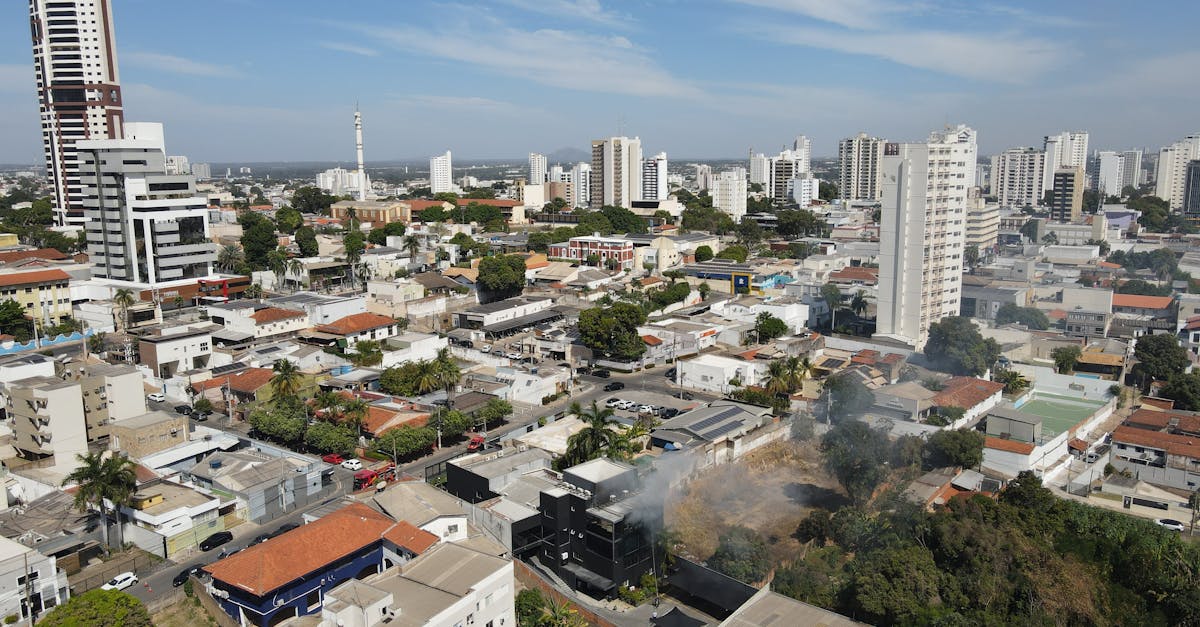
On Tuesday, August 12, 2025, Toulouse once again exceeded the 40°C mark, plunging the city into an intense heatwave that was difficult to bear. Among the consequences of this extreme heat, an air conditioning failure on a school bus created an emergency situation for sixty-four teenagers and their companions. Four young people, aged around twelve, were hospitalized for hyperthermia after suffering from heatstroke in this particularly trying environment. While most Toulouse residents seek protection from the sweltering temperatures, this incident serves as a reminder of the risks associated with school transportation during a heatwave, highlighting the importance of cooling systems in vehicles and the need for appropriate emergency plans in the event of technical incidents.
In this context, emergency services and firefighters from the SDIS 31 had to respond quickly on the inner ring road, near the Toulouse Nord toll booth, to care for the teenagers in difficulty. The bus, heading to Castelnaudary, had lost all air conditioning, transforming the enclosed space into a veritable furnace under the blazing sun. The other children and adults, unharmed, were evacuated to an air-conditioned area while the vehicle was repaired. This situation highlights not only the immediate dangers of a breakdown during periods of extreme heat, but also the best practices to adopt to prevent similar incidents in the future.
Impacts of an air conditioning failure on a coach during a heatwave in Toulouse
In a city like Toulouse, where extreme heat is becoming a recurring phenomenon, air conditioning in school buses is essential. On Tuesday, August 12, the temperature well exceeded 40°C, a difficult situation to endure, especially for teenagers trapped in a bus without a functioning cooling system. The air conditioning failure on the ring road transformed this journey into a real health risk, with immediate consequences.
The teenagers, deprived of fresh air, quickly showed signs of dehydration and hyperthermia, prompting rapid emergency response. The heat trapped inside the bus causes a greenhouse effect that can increase the interior temperature by several degrees in a few minutes, amplifying the danger. In this environment, symptoms such as headaches, nausea, partial loss of consciousness, or intense fatigue can quickly develop into a medical emergency requiring immediate attention.
The consequences of this type of incident are often underestimated, even though they can be serious or even fatal. The four hospitalized teenagers had to be evacuated to an emergency room as a matter of urgency, highlighting the importance of rapid intervention. Emergency services and the municipality are therefore faced with a dual challenge: managing the ongoing incident and anticipating similar failures in a future marked by recurring heatwaves.
- 🌡️ Immediate risks: Hyperthermia, dehydration, heatstroke
- 🛑 Interrupted journey: Occupants evacuated, waiting for a breakdown vehicle
- 🚑 Medical care: Rapid hospitalization of four teenagers
- ⚠️ Psychological impact: Stress related to the incident and the intense heat
- 🔄 Logistical consequences: Delay, emergency response management, and adaptation of practices
| Factor | Consequence | Specific example |
|---|---|---|
| Air conditioning failure | Excessive heat in the coach | 64 children on board, 4 hospitalized for hyperthermia |
| High outside temperature (40°C) | Increased risk of dehydration | Emergency response around 5 p.m. on the ring road |
| School transport during a heatwave | Need for close monitoring | Guardians and firefighters present |
More information on this incident is reported in this article and this source.
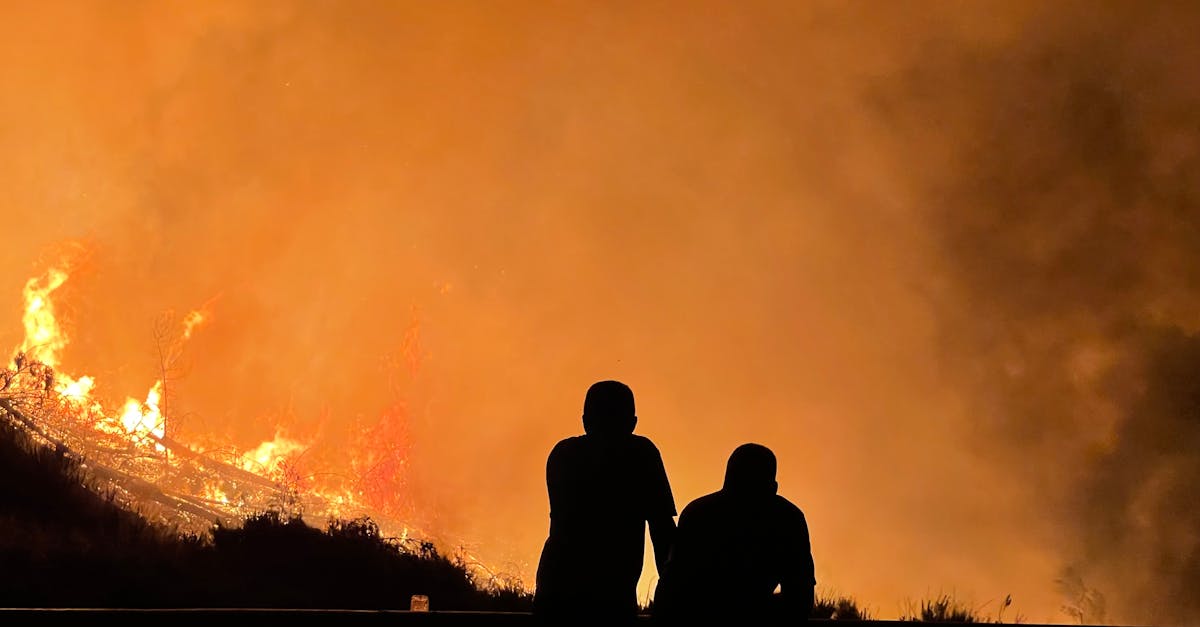
Emergency measures and care for adolescents suffering from hyperthermia
Managing an air conditioning failure on a coach transporting children during a heatwave requires perfect coordination between emergency services and accompanying personnel. This Tuesday, firefighters from the SDIS 31 (Fire Brigade for the Emergency Services) responded quickly to evacuate the most seriously affected teenagers, those suffering from hyperthermia. They were transferred to an emergency medical service in a relatively urgent situation, preventing their condition from worsening.
Meanwhile, the other uninjured children and adults on board were taken to a nearby air-conditioned area, under constant supervision by a firefighter doctor. This precaution helps prevent any further complications, particularly by maintaining proper hydration and monitoring for signs of discomfort. This organized approach helped contain the situation, preventing mass panic or a worsening of heat-related symptoms.
When it comes to school transportation during periods of extreme heat, several recommendations are crucial:
- 💧 Regular Hydration of children before and during the journey
- ❄️ Systematic checks of the air conditioning system’s operation
- ⚕️ Presence of a healthcare professional during sensitive journeys
- 🚨 Clear evacuation and incident response protocols 🕒
- Schedule planning to avoid the hottest hours Step
| Emergency action | Objective | Detection of symptoms |
|---|---|---|
| Observation of signs of excessive heat | Prevent worsening of the condition | Rapid intervention |
| Alert emergency services and medical care | Stabilization of hyperthermic patients | Protection of uninjured people |
| Evacuation to an air-conditioned location | Avoid new cases of dehydration | Continuous monitoring |
| Close medical follow-up on site | Identify any new symptoms | Additional details and recommendations are available on the official website of the |
Toulouse metropolitan area as well as in a specific article on school transportation and Heatwave .https://www.youtube.com/watch?v=MVMHiixuwXA
The failure observed on this school bus calls into question the reliability of air conditioning systems installed in vehicles used to transport children. During heatwaves, these systems are under greater strain than ever, and their proper functioning becomes crucial. Without a functioning air conditioner, the vehicle’s interior becomes an additional source of heat exposure, potentially endangering the health of passengers.
It is therefore essential for school bus fleet managers to rely on rigorous and regular maintenance plans. A lack of maintenance can lead to an unexpected breakdown, such as the one observed in Toulouse. The frequency of heatwaves emphasizes the need to adopt appropriate, high-quality technical solutions to avoid service interruptions caused by air conditioning failures. Here are some practical tips to limit risks:
🔧
Regular checks
- of air conditioning systems before periods of extreme heat 🚍 Replace defective parts
- immediately 📅 Plan preventive interventions
- starting in spring 📊 Thermal diagnostics
- of vehicles in real-life situations 📞 Rapid troubleshooting
- thanks to a network of specialized mechanics Type of maintenance Recommended frequency
| Main benefit | Complete system inspection | Annually before summer |
|---|---|---|
| Prevent major breakdowns | Performance tests | Monthly during hot weather |
| Ensure maximum efficiency | Rapid intervention | At the first sign of malfunction |
| Limit the duration of incidents | Driver training | Biannually |
| Detect anomalies more quickly | For more information on these points, the reader can consult a complete file on school bus maintenance and climatology at | location-mecanicien.fr |
as well as Tips for effectively cooling a vehicle during extreme heat at location-mecanicien.fr . Find out everything about the heatwave phenomenon: causes, consequences, and tips for coping with heatwaves and protecting your health during periods of extreme heat.The specific challenges of school transportation during heatwaves in Toulouse

The August 12, 2025, heatwave highlights several key issues:
🚌
Vehicle capacity:
- Ensure that coaches have efficient ventilation systems and air conditioning capable of withstanding heat waves exacerbated by climate change. 👨👩👧👦 Supervision:
- Specific training for accompanying persons to detect and respond to the first signs of dehydration or hyperthermia. 🕐 Travel planning: Avoid the hottest times of the day, favor shorter journeys, or take regular breaks.
- 🏞️ Adapt infrastructure: Create shaded and air-conditioned areas at checkpoints and stops.
- 📢 Communicate with families: Regular information on the precautions and adaptations implemented. Issue
- Description Recommended Action Air conditioning system
| Must be reliable and well-maintained | Rigorous maintenance and frequent checks | Supervisory vigilance |
|---|---|---|
| Rapid detection of warning signs | Appropriate training and equipment | Schedule organization |
| Avoid heatwaves during central hours | Adapted planning and regular breaks | Public infrastructure |
| Shaded and air-conditioned spaces | Targeted municipal investments | For practical advice on protecting against heatwaves in Toulouse, it is still useful to visit the official portal of the |
| Toulouse metropolitan area | which provides recommendations tailored to this extreme heat. | Discover everything you need to know about heatwaves: causes, health consequences, tips for protection, and tricks to better cope with heat waves. |
https://www.youtube.com/watch?v=RN3bg4ivv4E Long-term consequences and lessons learned from the air conditioning failure in Toulouse Beyond the medical and logistical emergency, the air conditioning failure on this bus during a heatwave highlights broader issues related to managing extreme heat in public and private infrastructure in urban areas. Toulouse, a city already facing urban heat islands, must leverage these incidents to improve the resilience of its transportation network.

Increased implementation of green areas
to mitigate heat island effects
⚙️
- Modernization of vehicle fleets with more robust air conditioning technologies, including wireless kits to avoid certain breakdowns 📈
- Real-time monitoring of thermal conditions in vehicles with automated alerts 📚
- Systematic training of drivers and attendants on the risks associated with heatwaves 🔊
- Enhanced communication with the public on the actions to take in the face of extreme heat Dimension
- Planned action Expected impact Urban environment
| Creation of green areas, shade structures | Sustainable reduction of temperatures in the city | Vehicles and equipment |
|---|---|---|
| Modernization and installation of wireless air conditioning kits | Fewer breakdowns, more Comfort | Training and awareness |
| Dedicated programs for drivers and instructors | Better risk prevention | Public Communication |
| Information and Prevention Campaigns | Adoption of Appropriate Behaviors | Local stakeholders are already working on these issues, with the city of Toulouse increasing its efforts to improve conditions during heatwaves, notably by extending the opening hours of parks and swimming pools and installing more green spaces. Learn more about |
| these Toulouse initiatives. | How to respond to a medical emergency related to a heatwave in a disabled vehicle? |
Managing a medical emergency caused by extreme heat in a coach relies on several simple, effective, and quick-to-implement measures. When the first signs of dehydration or hyperthermia appear, they must be recognized and acted upon immediately to avoid serious consequences. Here are the key steps to follow: 🚨Identify symptoms
: headaches, nausea, muscle cramps, profuse sweating, intense fatigue
💦
Immediate hydration
- with water or isotonic solutions ❄️ Cool the body
- : seek shade, use damp cloths, ventilate 📲 Call for help
- as soon as the condition worsens or remains a concern 🩺 Constant monitoring
- until medical professionals arrive In the context of school transportation, it is also advisable to have a first aid kit adapted
- to heatwaves, including cooling sprays, water bottles, and a list of emergency numbers. Numerous guides are available online to train companions and drivers in these best practices, particularly at location-mecanicien.fr . https://www.youtube.com/watch?v=2GtUTJNfcCI
FAQ on heatwave-related incidents on school buses in Toulouse What are the signs of heatstroke in teenagers on a bus? The most common signs include heavy sweating followed by dry skin, headaches, weakness, nausea, and even loss of consciousness. It is crucial to detect these symptoms quickly so that action can be taken before the situation becomes critical. How can air conditioning breakdowns on buses be avoided in summer?The best prevention consists of regular checks before the hot season, periodic maintenance with replacement of worn parts, and driver training to spot early malfunctions. Proactive maintenance reduces the risk of breakdowns during school transportation.
If a malfunction occurs, the first step must be to quickly inform emergency services and the responsible personnel. Children should then be evacuated to a cool area, encouraged to drink water, and monitored for any signs of discomfort. A doctor or healthcare professional must remain present to assess the children’s condition.
What measures is Toulouse taking to combat the heatwave? The city is investing in creating green areas, installing shade structures, extending access hours to parks and swimming pools, and strengthening communication to protect vulnerable populations, particularly children. These measures aim to reduce the impact of urban heat islands.
What advice is there for accompanying children during travel in hot weather?