
The Volkswagen Golf II 90 hp: a sure bet for vintage and performance car enthusiasts
In the midst of a renaissance in the collector car market, the Volkswagen Golf II stands out as a timeless classic. Launched in 1984, this compact sedan made its mark on its era thanks to a unique combination of robustness, efficiency, and understated elegance. With versions ranging from the base model to the legendary GTI, the Golf II remains an automotive icon of the 1980s and 1990s. Its often underestimated 90 horsepower engine offers a perfect balance between performance and fuel consumption, making it an ideal candidate for those looking to embark on a vintage adventure while remaining pragmatic. Models with fewer than 200,000 km can now be found starting at €2,000, an opportunity for any enthusiast or collector to treat themselves to a choice piece at an affordable price. Once you take an interest in this car, you discover a world where design, mechanics and history blend to form a harmonious whole. This vehicle is not just a simple means of transportation: it is a true nostalgia and performance machine, capable of competing with many of its contemporaries, even today. The Golf II, with its many special models and limited editions, represents a key step in the dynamics of vintage automobiles. Its massive success has left a lasting imprint, which continues to attract enthusiasts looking for a reliable, easy-to-maintain vehicle with significant collector value. Discovering this hatchback, which has nothing to be ashamed of when compared to its rivals, is like taking a trip back in time, while maintaining a modern perspective on performance!
Discover the Volkswagen Golf II, an icon of the ’80s and ’90s, combining timeless style and performance. Thanks to its compact design and reliable engines, the Golf II offers a pleasant driving experience while remaining practical for everyday life. Whether you’re a car enthusiast or looking for a stylish and affordable car, the Golf II is sure to delight.
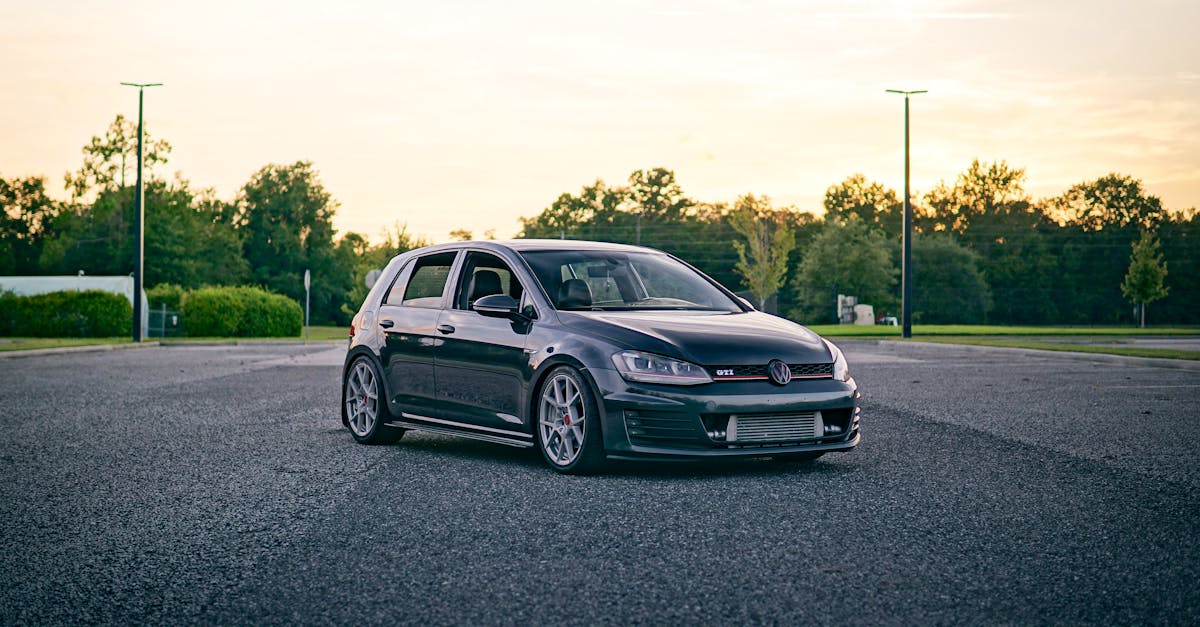
The Golf II, equipped with its 90 hp 1.8-liter engine, remains one of the most versatile models in the VW range. Its strength lies in its well-thought-out ergonomics, where each component seems to be part of a coherent whole. It is practical, durable, and affordable—essential qualities for anyone looking to combine driving pleasure with mechanical reliability. Its light weight, around 900 kg, gives it a certain agility, even though the transmission is primarily manual. In terms of performance, this version allows you to reach a top speed of around 178 km/h, with acceleration from 0 to 100 km/h in just over 10 seconds. It’s not an extreme sports car, but it’s enough to provide a certain amount of fun on the road or for everyday use.
The real advantage of the Golf II 90 hp is its price/performance ratio, which remains unbeatable in its category. It starts at €2,000 in good condition, sometimes less for models with high mileage. Its low maintenance costs, low fuel consumption, and simple mechanics make it a popular car among young drivers and classic restoration enthusiasts. Furthermore, its mass production made it easier to find spare parts and maintain. The popularity of this version also attracts numerous enthusiast clubs, which regularly organize rallies and tours throughout Europe, confirming its status as a true affordable collector car. The main technical specifications of the Golf II 90 hp
Features
Value
| Rating | Engine type | Inline 4-cylinder, 1.8-liter, carburetor |
|---|---|---|
| Reliable and simple | Power | 90 hp at 5,200 rpm |
| Decent performance | Top speed | 178 km/h |
| Adequate for a sedan | Fuel consumption | approximately 7.5 l/100 km |
| Economical | Weight | 900 kg |
| Lightweight for performance | Discover the Volkswagen Golf II, a timeless icon combining comfort and performance. With its unique design and innovative features, it remains a popular choice for classic car enthusiasts. Explore the Golf II’s heritage and delve into its fascinating history today! | The different versions and limited editions that make all the difference |
⭐ The S series, emulating the GTI with its alloy wheels and sporty silhouette
🚙 The Syncro, with its all-wheel drive and a reinforced 98 hp engine, ideal for off-road driving or in difficult winter conditions
🎨 The Cup series, very similar to the GTI, equipped with the same engine but with firmer suspension for a more dynamic ride
- 🏆 The Country version, a surprising raised SUV, which remains a sought-after rarity today
- Each of these limited or special editions allows the Golf II to evolve into a world of its own, while retaining its original qualities. The rarity of certain models like the Country or the Syncro makes them true collector’s items today, with a price that tends to increase. For those who want to get into them, however, it’s important to note that their availability is limited and their value can quickly exceed their initial purchase price, especially if the condition is impeccable. Points to look out for when buying a Golf II 90 hp
- Aspects to check
- Comments
Advice
Bodywork and corrosion
| Areas often affected are the underbody, wheel arches, and rear door | Inspect thoroughly, especially if the vehicle has been driven extensively | Running gear and brakes |
|---|---|---|
| Wear of bearings, discs, and pads, especially with high mileage | Take a road test and request a complete inspection | Engine and timing belt |
| Risk of oil leaks; the timing belt must be checked | Learn about maintenance, choose a model with an up-to-date service book | Electrical equipment |
| Possible faults with the power windows and mirrors | Test all equipment in a real-life situation | Interior and seats |
| Wear of trim, carpets, and plastics | Observe to assess the previous owner’s care | Discover the Volkswagen Golf II, a timeless classic combining performance, comfort, and style. Explore its iconic features and innovative design that have marked automotive history. Ideal for driving enthusiasts and fans. The 1.8-liter engine, the true heart of the Golf II, 90 hp, a reliable and easy-to-maintain engine |
| The Golf II’s 1.8-liter engine, equipped with fuel injection or carburetor depending on the version, is often considered the true pillar of this car’s reliability. The 90-hp version is powered by a carburetor system, making maintenance much easier for enthusiasts or specialized garages. Its simplicity, combined with a robust design, allows it to easily cover more than 300,000 km with regular maintenance, including changing the timing belt at the recommended intervals to avoid any major incidents. | This engine, which was also the basis for some GTI versions (the more powerful G60 engine), offers a pleasant driving experience. The generous displacement provides good torque, especially in the mid-range, making it easy to drive in urban areas or on long journeys. Its low fuel consumption and ease of repair make this engine a wise choice for enthusiasts who want to enjoy vintage cars while having a reliable and economical car. The pros and cons of the 1.8-liter carburetor engine | 👍 Easy to maintain, not complicated to repair |
⛽ Reasonable fuel consumption for a classic car
⚠️ Risk of breakdown if the timing belt is neglected
🛠️ Less powerful than the G60 version, but sufficient for a fun drive
Accessories and equipment that make all the difference on today’s Golf II
- A well-equipped Golf II offers appreciable comfort and practicality, especially in its GLX version or the limited Memphis edition. Cisco, or the simple pleasure of having power windows, power steering, or a decent audio system simply makes every journey more enjoyable. Original or retrofitted options can significantly increase the value of a classic car, especially if they are in perfect condition.
- For enthusiasts, maintaining electrical equipment remains essential. With age, some window switches or window regulators may cease to function, but since these parts are still available, their replacement remains accessible. Air conditioning, another rare feature on these models, is also a plus for ultimate comfort on hot summer days. The presence of a vintage car radio or an integrated navigation system, features of certain models, also enhances their appeal.
- Period equipment to enhance the vintage look
- Accessory
- Function
Advantage
Power windows
Comfort and safety
Practical in the city and on long journeys
| Air conditioning | Thermal comfort | Added value and modernity |
|---|---|---|
| Vintage audio system | Authentic entertainment | Guaranteed vintage aesthetics |
| Power mirrors | Ease of use | Increased comfort for everyday driving |
| Alloy wheels | Aesthetics and performance | Sportier style |
| Prices and rarity of a Volkswagen Golf II 90 hp in 2025 | The price of a well-maintained model currently ranges from €2,000 to €4,500, depending on condition, mileage, and version. The basic GL version, with its limited equipment, now sells for an affordable price, while specialized models like the Syncro or the limited edition Cup often exceed €4,000, or even more if their condition is exceptional. The increasing scarcity of vehicles in good condition is contributing to a gradual increase in their value, especially if they have been restored or preserved in their original condition. | Vintage car enthusiasts also appreciate the limited availability of certain models like the Golf Country or the Memphis series. At a time when the trend toward classic cars continues unabated, this 90 hp Golf II is an excellent option for taking a first step into the world of affordable collector cars. While prices are rising, the market remains relatively affordable, with opportunities to be seized quickly. Model Type |
| Price Range | Typical Year | Points of Attention |
Base Golf II 90 hp
€2,000 – €3,000
1984-1991
| Corrosion, Mechanical Wear | Golf II Syncro | €8,000 and Up | 1980s-1990s |
|---|---|---|---|
| Rare, In-Depth Maintenance Required | Limited Edition Version (e.g., Memphis) | €3,000 – €4,500 | Late 1980s – Early 1990s |
| Check History and Mechanical Condition | What maintenance and precautions should you take to preserve the value of your Golf II? | Investing in a Golf II 90 hp also means committing to maintaining its reliability and value. The key lies in rigorous maintenance, particularly ensuring the timing belt is changed regularly, a critical component on these vintage engines. Regular checks of the brakes, suspension, and electrical components help maintain original performance. The service history must be complete and carefully preserved, especially for rare or restored models. | To preserve their vintage character while ensuring safe driving, attention must also be paid to body restoration, particularly by repairing any corrosion that may appear on the wheel arches or under the bodywork. Specialists or body repairers experienced in classic cars can make all the difference in maintaining or increasing the value of your investment. Finally, clean driving, without harshness or excessive loads, prolongs the life of the engine and suspension, ensuring authentic pleasure on every journey. Tips for a successful restoration |
| 🔧 Choose original or high-quality parts | 🧼 Clean the bodywork regularly to prevent corrosion | 🛠️ Check and replace the belt according to the maintenance booklet | 💡 Update faulty electrical equipment |
🔒 Keep all documents to prove the history
The Golf II 90 hp in the current context of the vintage car market in 2025
In 2025, the Golf II 90 hp will find a place of choice among modern collectors. Its affordable price, legendary robustness, and mechanical simplicity make it an attractive car, even for those new to vintage cars. Its market is evolving slowly but surely, with a growing demand for well-preserved and authentic models.
- Young enthusiasts, as well as more experienced ones, are interested in this car for its qualities as a practical collector’s car, its nostalgia for the 80s, and its ability to still offer authentic driving sensations. Market trends show that these models, often inexpensive to purchase, are gradually increasing in value, especially if the car has a well-kept history or is a limited edition. The Golf II therefore remains a safe bet for those looking to combine vintage, performance, and affordability in 2025.
- Classic car market trends in 2025
- 🚗 Increased value for rare and well-preserved models
- 💰 Rising selling prices for limited editions
- 🔧 Maintenance and restoration increasingly valued
📈 Smart investment for the near future
FAQ – Your questions about the Volkswagen Golf II 90 hp in 2025
What is the average price of a Golf II 90 hp in good condition in 2025?
You can find one for around €2,000 to €3,000, depending on the condition, mileage, and version. Well-preserved or restored models can reach €4,000 or more.
- Is a Golf II 90 hp reliable in the long term? Yes, if it’s well maintained, especially the timing belt, and if rust is dealt with promptly. Its simple mechanics make maintenance easy without exorbitant costs.
- Which models should you choose?
- The GL, GLX, or Memphis series trims offer a good compromise between equipment and budget. The Cup series or Syncro are exceptional, but rarer and more expensive.
- Is it difficult to restore a Golf II?
- Not particularly, thanks to the compatibility of spare parts and the active community. A meticulous restoration can maintain or increase its value.
Is the Golf II a good deal for a young driver or enthusiast?
- Absolutely, it combines purchase price, maintenance costs, and driving pleasure. Its vintage and reliable design make it ideal for discovering or reliving the era of the 80s and 90s.