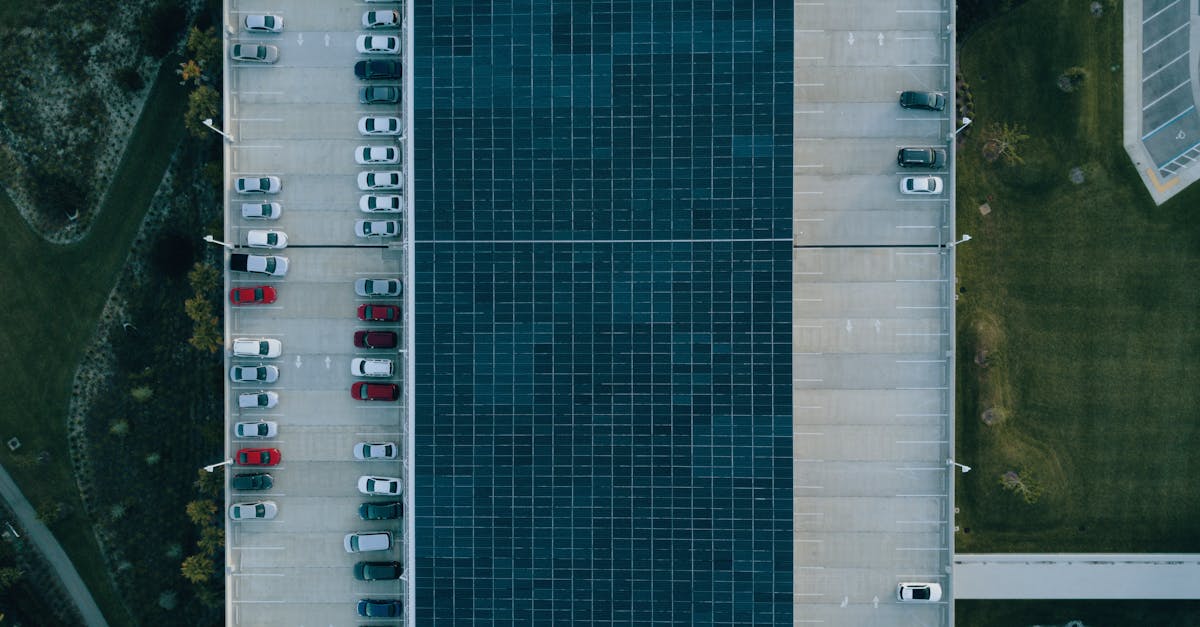
In the heart of Carmaux, a property owner is facing a major obstacle in his property renovation project aimed at creating rental housing. Located on Place Gambetta, his building, advertised as a potential new residential space, is failing to meet a key milestone: the lack of private parking spaces. This constraint, imposed by urban regulations, is hampering land use planning in the city center and highlighting a common dilemma faced by many owners of older buildings in French cities. The goal of limiting car congestion in historic centers through strict legal requirements often clashes with the concrete reality of urban sites, where space dedicated to cars is limited or even nonexistent. In this context, the very vision of sustainable development and accessible urban revitalization is threatened. This case, an example of the challenges faced by towns like Carmaux, illustrates a widely shared issue: how to reconcile the social and economic utility of rental housing with the imperatives of urban planning management focused on reducing the impact of cars? The debate challenges stakeholders in urban planning and housing, balancing the desire to preserve the urban environment with the need to meet housing needs. Urban Regulations Restricting Property Renovation in Carmaux When renovating property, each project must be based on a strict legal framework. In Carmaux, as in many other French towns, legislation requires property owners to provide as many parking spaces as housing units created. This rule stems from Article L152-6 of the Urban Planning Code. , aimed at limiting uncontrolled parking and the pressure on cars in urban centers. For the owner, living on a plot in the heart of the city, this provision presents a considerable obstacle. The building, adjoining other buildings and with no available space for parking, finds itself hampered in its ambitions for multi-unit rental housing. As Jean-Louis Bousquet, Carmaux’s first alderman, points out: « Private parking spaces are required by law in an existing building where housing is being created, to avoid car congestion in public spaces. »
Faced with these requirements, the Carmaux owner finds it impossible to successfully complete a project that is nonetheless vital to local development. Without private parking, the property transformation cannot be legally completed. This situation creates a sense of deadlock among local stakeholders. The need for parking spaces is driven by the demand for sustainable and controlled urbanization. 🚗
However, this compliance with the rules limits the renovation and optimization of rental housing. Central areas often lack the possibility of developing private parking.Landowners are therefore powerless to act without violating the standards.
Aspect Description Article L152-6
📜
- Requirement for private parking spaces equal to the number of housing units created.
- Area concerned
- French territory, particularly city centers and densely populated areas.
- Consequence
| ⚠️ | Blockage of real estate projects without the possibility of developing parking spaces. |
|---|---|
| Easily find secure and convenient parking near you. Compare rates, book your space online, and park with complete peace of mind. The impact of the lack of parking spaces on the development of rental housing in Carmaux. | The case of this Carmaux homeowner is indicative of a broader trend at the local and national levels. Rental housing, essential for welcoming new families and revitalizing housing, is hampered by a constraint that excludes projects that cannot guarantee the required parking spaces. |
| The lack of private parking facilities is a widespread problem, particularly in older city centers where buildings are tightly packed together. This situation leads to: | Buildings left abandoned due to a lack of accessible renovation options 🌆 |
| A risk of unsanitary conditions with the gradual deterioration of buildings Increased difficulty in developing a housing stock adapted to the local population | An increase in urban emptiness that thwarts the beautification desired by the municipality |
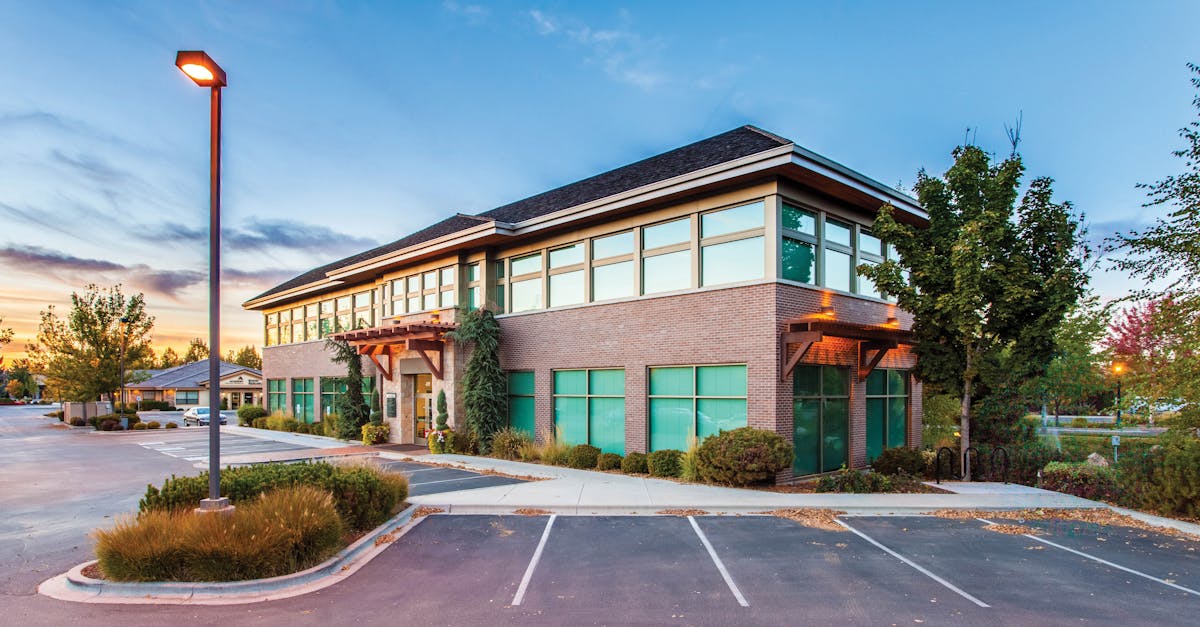
Consequence
Effect on the city
Hindered renovations
- Increase in abandoned and unsanitary buildings
- Risk to urban development
- Loss of attractiveness and dynamism in the city center
- Stagnant population
Fewer new residents, therefore lower renewal
| Easily find a parking space near your home or your destination. Compare rates, book online, and enjoy secure parking tailored to your needs. | Limited solutions that don’t meet the needs |
|---|---|
| A proposal put forward by the city hall allows for private parking spaces within a 300-meter radius of the building. However, according to the owner, these spaces are virtually nonexistent within this radius. | This constraint is representative of the general difficulty facing real estate projects in densely populated areas, including: |
| The obligation of accessibility and sustainable development ♻️ | The glaring lack of parking spaces in the city center |
| Strict urban planning standards | This leads to a deadlock where the owner can neither develop their project nor sell the property to a potential investor interested in modern, functional housing. |

The role of urban policies in land use planning and parking space management
The municipality of Carmaux, keen to control urban planning and parking to preserve quality of life, rigorously enforces regulations. This aims to limit the excessive use of cars in city centers and encourage alternative modes of transportation.
However, this policy has mixed effects. While the objective is clear, several local stakeholders warn of unintended consequences in terms of:
- Discouragement of future residents from settling in the city center 🏙️
- Increase in vacant housing, despite housing needs
- Negative impact on local commerce related to travel
The municipality insists, however, that any development must be part of a sustainable development approach, where parking space management is an essential lever for limiting car traffic.
Expected Impacts
Traffic reduction
Less pollution and more quality public spaces
- Improved accessibility
- 🚶
- Encouragement of pedestrians and soft transport
Heritage preservation
| 🏛️ | Maintaining the aesthetics of historic centers |
|---|---|
| Faced with these conditions, some owners find themselves in a state of uncertainty that hinders investment in property renovation, particularly for rental housing projects essential to urban renewal. | Easily find secure parking adapted to your needs near your home or while traveling. Discover practical tips to optimize your parking and make your daily life easier. |
| How can property renovation, rental housing, and parking constraints be reconciled? The owner’s situation on Place Gambetta raises an important question for all stakeholders in urban planning and housing: how can we enable the renovation of old buildings without blocking rental projects due to parking constraints? Several avenues are being considered: | Rethinking urban regulations to increase flexibility in older city centers 🤔 |
| Promoting projects incorporating innovative shared or underground parking solutions Developing public transportation and alternative modes of transportation to reduce car dependence | Creating public-private partnerships to develop shared parking spaces accessible to residents |
These efforts are part of a comprehensive vision of sustainable development and regional planning, aimed at maintaining a balance between quality of life, city attractiveness, and environmental protection.
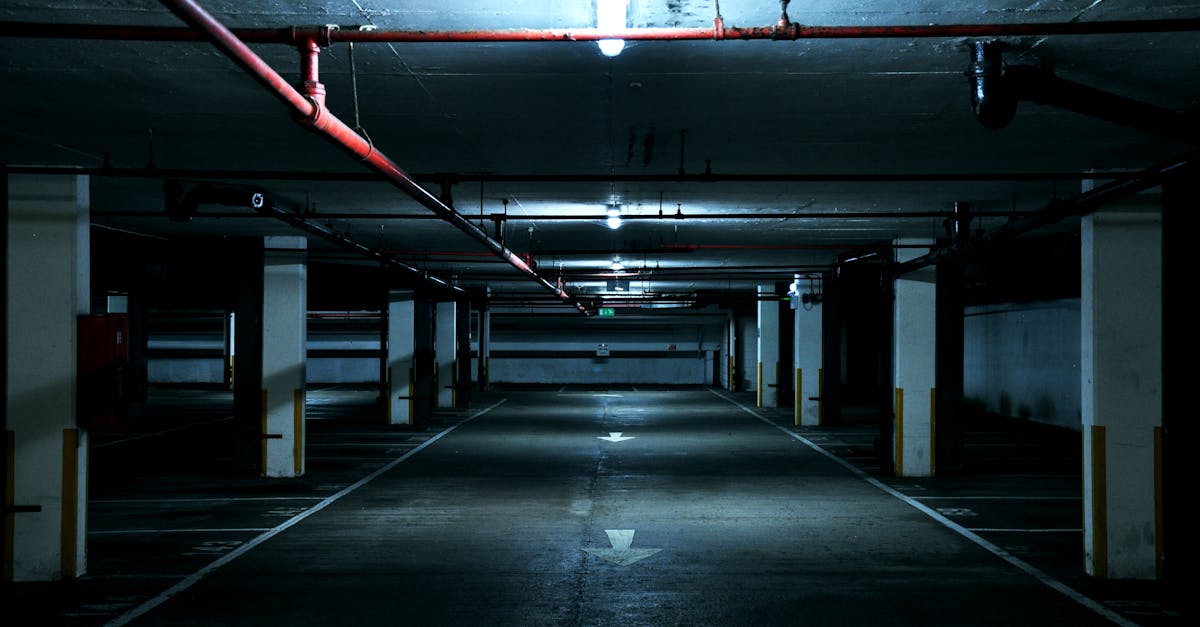
Examples of cities that have adapted their parking policies
Some cities in France have experimented with flexible measures to enable property renovation without hindering housing development:
Introduction of shared parking spaces between residents and businesses
- Tax incentives for the construction of underground parking
- Recognition of compensation in the form of season tickets or participation in the financing of public transportation
- These approaches demonstrate a path to adaptation in the face of current challenges. However, the success of these approaches will depend on in-depth consultation between governments, local authorities, and property owners.
- Legal Implications and Possible Solutions for the Carmaux Property Owner
For our property owner, the inability to renovate his building according to current standards places him in a delicate legal situation. The regulations, with no room for interpretation, do not allow exceptions if the necessary parking spaces are not guaranteed. This constraint also impacts the commercial and rental value of the property, making it less attractive to investors and future tenants. The risks of unsanitary conditions increase as the building gradually becomes abandoned. Can the owner challenge the decision through administrative appeals? ⚖️Are there possible exemptions in certain specific circumstances?How can property rights and urban planning requirements be reconciled? In some cases, solutions include:
Submitting a reasoned exemption request to the urban planning department
Exploring specific measures for the renovation of existing housing related to the energy transition or urban revitalization
- To learn more about the regulations applicable to work and development in rental housing, resources such as
- service-public.fr
- or
la-loi-pinel.com
can provide comprehensive information.
Summary table of legal options
Legal Option
- Description
- Advantages
- Limitations
Administrative Appeal
- ⚖️
- Challenging the decision based on specific circumstances
- Possibly allows for an exemption
Lengthy procedure, with no guarantee of success Exemption request Submit a reasoned application to the urban planning department Can offer a suitable solution depending on the situation Rare cases of acceptance and justifications required
Alternative development
| Search for nearby parking spaces or public-private partnerships | Reconcile constraints and projects | Difficulty finding available spaces | Frequently asked questions about property renovation and parking constraints |
|---|---|---|---|
| What are the rights of a property owner when there are no parking spaces for their renovation project? The owner must comply with current urban regulations. If they cannot guarantee the creation of the required parking spaces, their project may be blocked. However, they can request an exemption in specific cases. | Are there alternatives to private parking in older city centers? | Yes, some cities are relying on shared parking, underground parking, or even subsidies for the development of public transportation to reduce car dependence. How can a municipality reconcile access to housing and parking regulations? | This requires an integrated urban policy, combining incentives for environmentally friendly travel, the creation of shared parking spaces, and flexible regulations adapted to the local context. |
| Is access refusal for renovation work possible if the property is rented? | No, except for exceptions specified by law, a tenant generally cannot oppose work approved by a general meeting or necessary for sanitation, as indicated on | la-loi-pinel.com | . |
| What are the risks of prolonged abandonment of an old building in an urban area? | In addition to the unsanitary situation, this poses a risk to the attractiveness and social cohesion of the neighborhood, which can negatively impact the surrounding property value. |