
A new era for the Renault 5 Five: accessible yet full of nuances
In 2025, the electric vehicle market will witness a true revolution with the arrival of the Renault 5 Five. A true homage to an era when the Supercinq symbolized the urban economy, this new electric version aims to make sustainable mobility accessible to all. Its price, set just below the symbolic €25,000 mark excluding subsidies, has caused quite a stir. However, behind this apparent commercial success lies a more nuanced reality, marked by reservations and compromises. The small electric car, true to the innovative spirit of the diamond brand, raises as many hopes as it does questions. This model aims to be a true innovation in the automotive sector, combining an attractive price, functionality adapted to everyday life, and a simple design. The range of options offered, the simplicity of its equipment, and its technical limitations, particularly related to charging, are fueling a vital debate about the future of accessible electric mobility. The promise of democratizing the energy transition with a model costing less than €25,000, excluding subsidies, is a major step forward, but this success comes with several reservations, which are important to analyze in detail. Discover the legend of the Renault 5, an iconic car with a distinctive design, combining retro style and modernity. Explore its history, technical specifications, and its impact on the French automobile industry. Dive into the world of this timelessly successful city car. The fundamental characteristics of the Renault 5 Five: simplicity and pragmatism To understand whether this electric carcan truly meet the expectations of modern drivers, we must first examine its technical specifications. The Renault 5 Five relies on a 95 hp electric motor, modest enough to ensure urban or peri-urban use, but which also reveals its limitations in certain cases. The design is based on a 40 kWh battery, a capacity that gives the car a WLTP range of 312 km. This value is average for an electric city car in this category, making the R5 Five a potentially suitable choice for most daily journeys. Echoing the more powerful models, this budget version does not offer fast charging, which may be a disconcerting point for drivers accustomed to ultra-fast charging. It is equipped with a three-phase 11 kW Mode 3 Type 2 cable, allowing an approximately 80% charge in less than 2 hours 37 minutes at home. However, fast charging will not be available, requiring advance charging, especially for extended trips or weekend getaways. Here is a summary table of the key features: Features Specifications Impact Engine
95 hp Sufficient for city driving, limited for long distances Battery 40 kWh 312 km WLTP range Fast chargingNot available Longer charging times, advance charging required Base price
Affordable, excluding subsidies
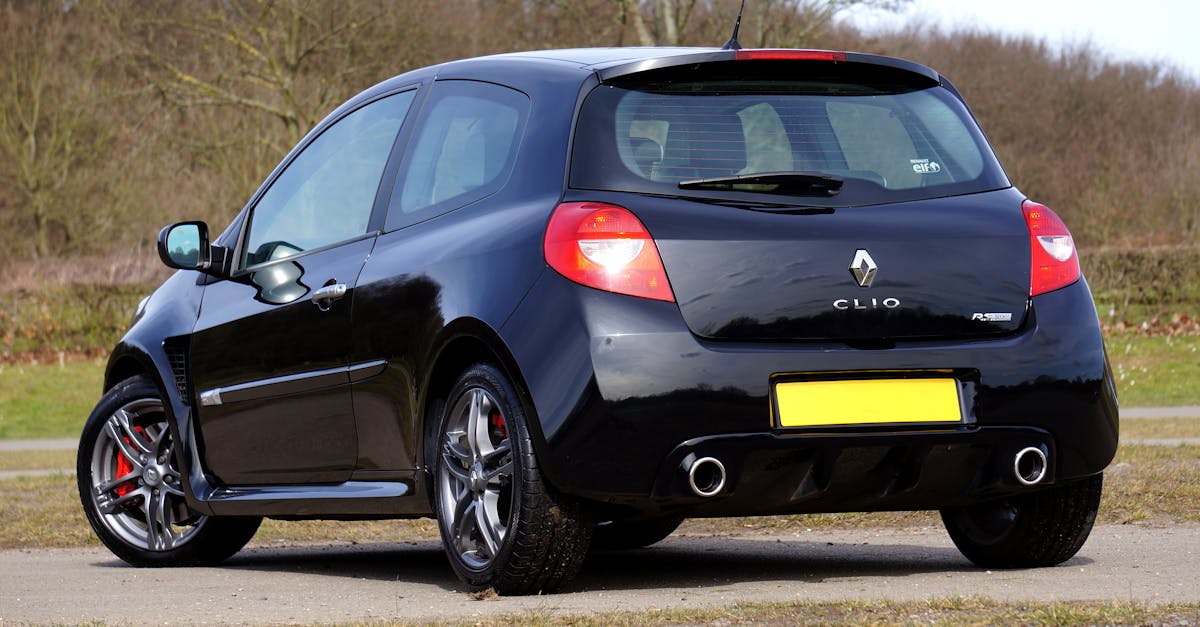
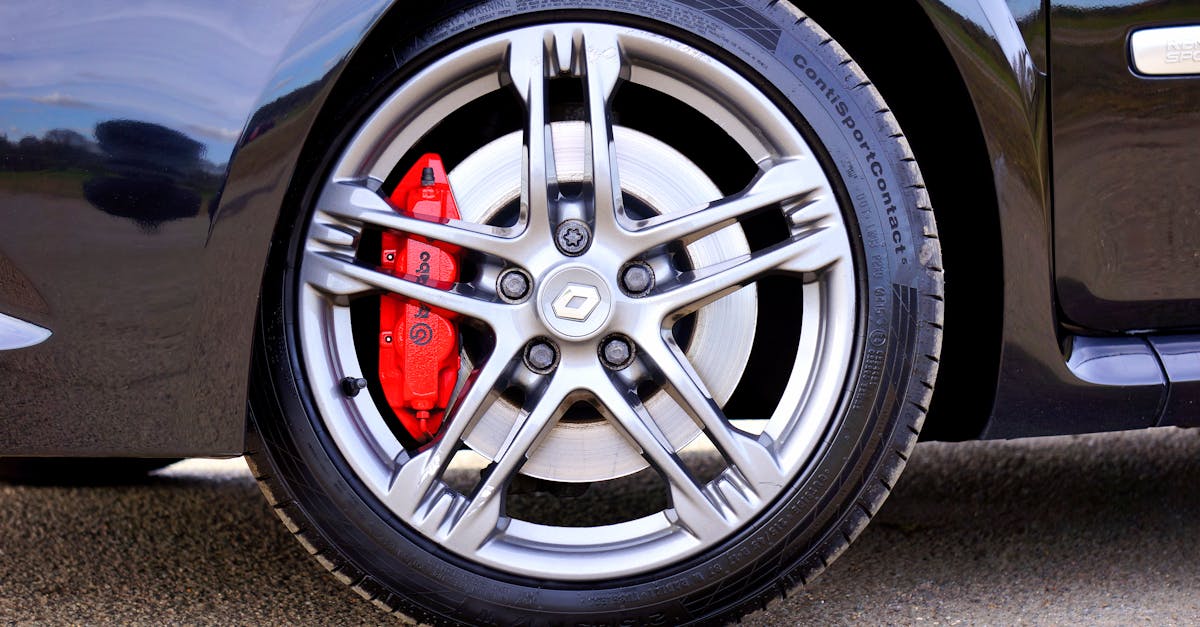
Are ergonomics and features up to scratch? Despite its modest price, the Renault 5 Five doesn’t overlook most modern features. The base trim includes a 10-inch touchscreen compatible with Android Auto and Apple CarPlay, 7-inch digital instrument cluster, manual air conditioning, an electric parking brake, and a 60/40 split-folding rear seat. Importantly, the design remains sleek, with 18-inch wheels and customization limited to two colors at the entry level: black or green. It appears that at this price, Renault is still making a notable effort to maintain a certain level of comfort and decent ergonomics, without aiming for the top of the range. Also, the car seems perfectly suited to those looking for a simple, functional, and efficient model for the city, without an overload of unnecessary equipment.
Discover the Renault 5, an icon of French automotive design from the 70s and 80s. With its retro design and practicality, it offers a pleasant drive and unparalleled versatility. Dive into the history of this iconic model and explore its unique features.
A bold sales approach: accessible yet prudent
| With a price announced just under €25,000, the Renault 5 Five is part of a strategy to democratize electric mobility. The formula is simple: deducting the maximum ecological bonus of €4,000, as well as the EEC bonus of €310, the final price comes to just €20,680 for the base model. | This pricing positioning allows it to compete directly with small city cars with internal combustion engines or hybrids, and to attract customers concerned about saving money while respecting the environment. Renault is thus banking on strong potential demand in a sector where environmental awareness is becoming more important than ever. However, some observers point out that this sales strategy should not mask certain weaknesses. | The range still has shortcomings, notably the lack of a version equipped with a more powerful engine or a larger battery, which would likely be highly appreciated by a portion of customers. The future 150 hp variant with a range of up to 400 km will be launched in July, but its price of €32,120 remains high for an entry-level model, despite its greater capacity. Here is a comparison table of the different upcoming versions and their pricing: |
|---|---|---|
| Version | Power | Battery |
| WLTP Range | Price (~€) | Base Five |
| 95 hp | 40 kWh | 312 km |
| 23,990 | Mid-range | 120 hp |
52 kWh
400 km
32,120 Top speed 130 km/h
This approach may seem innovative, but also risky in a market where competition is fierce. Most other manufacturers already offer models with fast charging and higher battery capacities, even in budget segments.
Will this pricing strategy, despite some reservations, make the Renault 5 Five a benchmark in 2025? The answer lies in Renault’s ability to maintain a balance between price, features, and reliability. The reliability of the platform or the post-sales service will also be decisive factors in achieving lasting success or a fleeting novelty. Discover the Renault 5, an iconic car from the 70s and 80s, combining retro style with modern performance. Relive the unique driving experience of this iconic model, which combines charm and practicality, and explore its fascinating history and features that continue to delight car enthusiasts.The ecological and reliability challenges behind the Renault 5 Five
Beyond its purely commercial aspects, the Renault 5 Five is part of a logic of ecological innovation. The implementation of more efficient batteries, the reduction of heavy materials, and increased recyclability are all part of this approach. The French brand also relies on constant research to optimize its components and improve the vehicle’s lifespan.
This environmental aspect is crucial to attracting customers who are increasingly sensitive to environmental issues. Technical performance, combined with an environmentally friendly design, can make the difference in the face of increasingly demanding competition. However, the question of long-term reliability remains a sensitive issue. The Clio 5, for example, experienced ups and downs in its first few months, and the new electric model must continue to prove its robustness under intensive daily use.
What sacrifices are required to maintain such an attractive price?
| The quest to keep the price under €25,000 inevitably involves technical and equipment compromises. The Renault Five does not have air suspension or extensive customization options. It prioritizes simplicity, while limiting its range of accessories and finishes. | The main reservations concern: | 🚗 Charging limited to 11 kW, lack of fast charging, | 💰 The very limited range of options, | 🔧 The single engine, with no possibility of increasing power for the moment, |
|---|---|---|---|---|
| 🖥️ Rather basic equipment compared to some competing models, | 📉 The limited color variety initially, which may displease some more demanding buyers. | In doing so, Renault is focusing on the essentials: offering a simple, reliable, and affordable electric car. But, inevitably, this simplicity has its limits, particularly in terms of comfort and charging speed. The question then becomes whether this low-price strategy will truly retain customers looking for more advanced features, or whether it will remain just a step in the brand’s electric range. | https://www.youtube.com/watch?v=A3rT3Qggq00 | Future prospects and expected evolution of the Renault 5 Five |
| While the base version has not yet been revealed in all its complexity, the range will be expanded by the summer with the introduction of a 150 hp variant with a 52 kWh battery. The latter promises a 400 km longer range and a price of around €32,000, before subsidies. Renault thus seems to want to leverage this segmentation to appeal to a wide range of drivers, from the economical city dweller to the little electric adventurer. | Such a development could make the combination of price and performance even more attractive. If the electric car is to achieve true success in 2025, it cannot be satisfied with less. The intended interpretation will be that of a model that knows how to evolve to offer flexibility, autonomy, and comfort. | What remains certain is that the Renault 5 Five, despite its reservations, paves the way for a new generation of affordable electric cars, where price and simplicity go hand in hand with innovation and ecological responsibility. The brand shows that it is possible to combine an attractive base price with respect for environmental issues, provided a few concessions are accepted. | Frequently Asked Questions about the Renault 5 Five: Everything You Need to Know | Q: Can the Renault 5 Five compete with hybrid or combustion engine models in the sub-€25,000 range? |
| Q: What are the main limitations regarding charging, and how does it compensate for these limitations? | Q: Is the model’s reliability guaranteed in the long term? | |||
Q: What equipment options might evolve in the coming months?