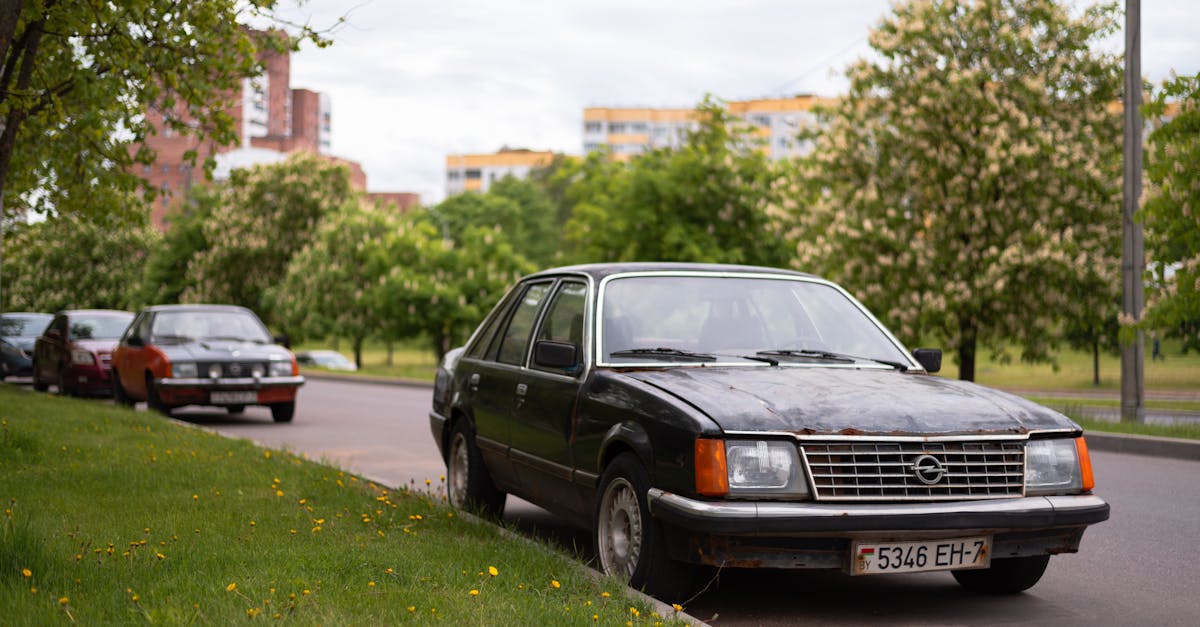
The European automotive sector, once synonymous with prestige and innovation, is going through a difficult period marked by declining sales, technological transitions, and increased global competition. Renault, Volkswagen, and Mercedes, historical pillars of this industry, are now significantly behind in the face of these changes. This situation raises a crucial question: are we witnessing the end of the European automotive era as we knew it? Through evolving strategies, regulatory challenges, and the growing influence of foreign players, this profound change is affecting the very heart of automotive production on the Old Continent. The market has lost approximately 20% of its registrations in five years, a shortfall of nearly half a million new cars in France alone. This disaffection reflects a climate of significant uncertainty, accentuated by the significant increase in prices linked to stricter environmental standards. Moreover, recent executive decisions illustrate a change of direction, with Luca de Meo leaving Renault for the luxury sector, suggesting that even seasoned experts feel it is time to reinvent themselves elsewhere. Faced with this industrial revolution, how do European giants intend to respond to these unprecedented transformations?
The root causes of the decline of Renault, Volkswagen, and Mercedes on the European market
Since the early 2020s, Renault, Volkswagen, and Mercedes have seen a gradual slowdown in their sales, a trend illustrated by an average drop of around 20% in registrations on the continent. Several factors combine to explain this phenomenon and threaten to profoundly disrupt the European automotive landscape.
First, increasing regulatory constraints are having a significant impact on vehicle costs and prices.European standards aimed at reducing carbon footprints and improving safety have required heavy investments. Tighter pollution controls, strict CO₂ emission limits, and the requirement to integrate active and passive safety technologies significantly increase production costs. These costs are directly reflected in the purchase price, dampening customer demand, which is particularly sensitive to general inflation already felt in other sectors.
Secondly, the shift to electric mobility creates a twofold challenge. It is no longer enough to produce efficient combustion engines. Groups must develop batteries and dedicated platforms, and adapt to a new industrial model. Renault has launched initiatives such as the R5 E-Tech to address this transition, while Volkswagen is making a commitment through its MEB platform. However, these projects require significant capital and specific skills that cannot be improvised. Meanwhile, Asian competitors are establishing themselves, taking advantage of their advantage in terms of vertical integration and costs. Third, external competition is becoming increasingly important.
Chinese brands, particularly SAIC Motor, are gaining ground in Europe with attractive price and technology offerings. The European market is also marked by the rise of American brands like Tesla, which, despite some difficulties, is setting its own standards in terms of performance and technology. Peugeot, Citroën, BMW, Audi, Fiat, Opel, and Ford, also players in this industrial landscape, must align their strategies in the face of this pressure to maintain their market share.📉 Sales down by around 20% in five years in Europe
- 💶 Rising costs due to European standards
- 🔌 Costly transition to electric vehicles
- 🌏 Aggressive competition from international manufacturers
- 🚗 Different adaptations depending on the group (e.g., Renault, Volkswagen, Mercedes)
- Manufacturer
| Share of electrified sales (%) | Electricity investments (€ billion) | Sales decline 2021-2025 (%) | Strategic response | Renault |
|---|---|---|---|---|
| 32 | 8.5 | -18 | Sedan discontinuation, Focus SUV and EV | Volkswagen |
| 40 | 14 | -15 | MEB platform, workforce reductions | Mercedes |
| 30 | 12 | -22 | Electric luxury and job cuts | In light of these figures, it is clear that competition and transformation require a radical choice: reduce the focus on traditional, less profitable segments and invest massively in electric mobility. |
Renault, for example, has clearly decided to focus on SUVs and EVs, almost entirely abandoning traditional sedans. In this context, the Volkswagen Group’s strategy, with its plan to cut 35,000 jobs by 2030, reflects a painful but necessary adaptation. Discover the challenges and consequences of the decline of the European automotive industry, with an analysis of the economic, environmental, and technological challenges impacting this key sector of the economy.Impact of European Consumer Disaffection: Rising Prices and Changing Purchasing Habits

Vehicle price is undoubtedly the most visible element for consumers.
Over the past five years, the average cost of a new vehicle has increased significantly. This increase is attributable to the strict standards imposed by the European Union, but also to the rise in raw material prices and costly technological innovations. For example, installing high-performance lithium-ion batteries increases production costs, which are reflected on the final label.
Secondly, purchasing habits are changing.Customers are gradually turning to shared mobility and better-equipped used vehicles, or preferring to delay their replacement. The impact of government incentives, which vary widely from country to country, must also be considered. While some states strongly encourage the purchase of electric cars, others still remain dissuasive for various economic or political reasons.
Finally, environmental awareness and consideration of vehicle life cycles are changing the perception of the modern consumer.The public is now seeking to rely on criteria broader than simply price or power. Sustainability, connectivity, and eco-responsibility are becoming important purchasing factors. This is why groups like Peugeot and Citroën are now working to improve the environmental performance of their models while maintaining affordability.
💶 Increase in the average price of new cars in Europe🚗 Preference for used vehicles or shared mobility
- ♻️ Increased concern for the environment and sustainability
- 📉 Delay in the renewal of personal vehicles
- 🏛️ Variable incentive policies within the EU
- Factors
- Market Impact
| Example | Rising Vehicle Prices | Purchase Disincentive |
|---|---|---|
| Average price increase of +10% since 2020 | Shared mobility | Reduction in individual ownership |
| Decline in new sales in urban areas | Environmental Concerns | Favors EVs but Holds Back Thermally |
| Craziness for Renault Scenic E-Tech and BMW iX | Public Policies | Regional Disparities |
| MEurope vs. Germany vs. France Examples | The automotive forum regularly mentions the success of models like the Renault Scenic E-Tech, which reflects the growing desire for eco-friendly vehicles. However, rising costs complicate the widespread adoption of EVs, a real challenge for brands like BMW and Audi, which want to preserve their luxury image while remaining competitive. | https://www.youtube.com/watch?v=iFVR2dIHtyY |
Strategic Reactions of Renault, Volkswagen, and Mercedes to the Crisis in the European Automotive Sector To counter their decline, Renault, Volkswagen, and Mercedes are adopting varied strategies, but all are part of a radical shift aimed at adapting to the new industrial landscape.Renault marks a significant shift by gradually abandoning traditional sedans. This radical decision is based on a desire to focus on SUVs, a fast-growing segment, and especially on electric vehicles. The launch of the R5 E-Tech, the latest addition to the electric family, illustrates this strategic shift. This reorientation is detailed in recent studies, which confirm that the company anticipates a definitive end to its once flagship models. Volkswagen is following a similar dynamic, with a significant reconfiguration of its structures. The MEB platform will form the backbone of the coming years, with a drastic reduction in staff to reduce fixed costs. This commitment has been confirmed by management, which plans to eliminate 35,000 jobs by 2030 across all of the group’s subsidiaries. The goal is clear: to invest in electric and digital mobility while maintaining profitability.
🔧 Volkswagen reduces its workforce, focuses on MEB
💼 Mercedes increases electrification while streamlining
🤝 Partnerships and alliances for technology sharing📈 Management focused on profitability and innovation Manufacturer Main electric cars
HR strategy2030 objectives
Key partnershipsRenault
- R5 E-Tech, Scenic E-Tech
- Job reorientation, discontinuation of sedans
- Reaching 50% EV sales
- EV battery alliances
- Volkswagen
| ID.3, ID.4 | 35,000 job cuts | EV leadership | Digital partnerships | Mercedes |
|---|---|---|---|---|
| EQC, EQS | Reduction of internal combustion engine workforce | Luxury electric segment | Tech and battery collaboration | This triple dynamic illustrates that, even if the market collapses, European leaders are looking to remain committed to the ongoing technological revolution. They rely on rigorous skills management and intense refocusing, although this approach is not without creating social and industrial tensions, as observed by specialists. |
| https://www.youtube.com/watch?v=sOfo9pQMhto | The role of other European players and internal competition: Peugeot, Citroën, BMW, and Audi | The situation is not the same for all European players. Peugeot and Citroën, particularly within the Stellantis group, benefit from a more diversified strategy that allows them to withstand certain shocks better than Renault or Mercedes. BMW and Audi, belonging to the same group as Volkswagen, are also managing their transformation with significant nuances. | Peugeot and Citroën have opted for a cautious move upmarket while placing a strong emphasis on small electric vehicles. | The new Peugeot 208 focuses on a bold style and improved energy performance, better meeting the expectations of city dwellers in particular. Furthermore, Citroën targets family customers with models like the C3 Aircross, combining comfort and ecology. |
| BMW, for its part, is making a strong presence in premium electrification. | The 2023 BMW X1 25e model is establishing itself as a leader in its segment, combining plug-in hybrid and electric powertrains, a technical response to direct competition from Audi and Mercedes. This policy is evident in the available data and consumer reviews on this type of vehicle. | Audi is also playing its part in this context of transformation. It is developing electric and hybrid models, while investing in onboard digital innovation. However, several analysts point to a slowdown in the face of cost pressures and the need to rapidly reinvent itself. | 🚗 Peugeot and Citroën: Focus on urban and family vehicles | 🔋 BMW: Plug-in hybrid and premium electric leadership |
💻 Audi: Investment in digital technology, EVs, and hybrids 📊 Sensitive adaptations to European and global regional markets🤝 Integration into group strategies and economic alliances
Key segment
Model type
Main strategySales response
PeugeotCity cars Peugeot 208 Design + energy performance
Market ResistanceCitroën
- Family
- C3 Aircross
- Comfort and Ecology
- Customer Loyalty
- BMW
| Premium | X1 25e | Plug-in Hybrid and EV | Technological Advance | Audi |
|---|---|---|---|---|
| Premium | Q4 e-tron | Digital Technology | Tight Market | The complexity of the market is forcing all these brands to combine technical innovations, customer expectations, and economic constraints. Competition within Europe is fiercer than ever, as also highlighted by |
| the recent economic analysis. | Discover the causes and consequences of the decline of the European automotive industry, a phenomenon marked by economic challenges, technological developments, and new consumer trends. | Future Outlook for the European Automotive Industry: A Critical Turning Point in 2025 | Faced with the erosion of their market shares, major European manufacturers Renault, Volkswagen, and Mercedes, along with other key players, are in the process of redefining their business models. Their future depends heavily on their ability to adapt to the tectonic shifts occurring in global mobility. | |
| Several major trends are outpacing this transformation. | The widespread adoption of electric and plug-in hybrid cars is accelerating, but also poses major challenges in terms of supply chains, battery sourcing, and industrial footprint. The role of states within the European Union will be crucial, both in terms of regulation and financial support. | European industry must also guard against the loss of skills. | The planned job cuts at Volkswagen and Mercedes highlight this risk. Maintaining industrial expertise while integrating new technologies remains a delicate exercise, imperative to maintain international competitiveness. | Finally, global competition imposes a new balance of power. |
| China’s rise in electric vehicles, the American momentum with Tesla, and new entrants specializing in autonomous or connected cars are significantly expanding the scope of possibilities, but also of threats. 🚀 Acceleration of the transition to EVs | 🏭 Essential industrial reconfiguration | 👷♂️ Risks related to skill loss and job cuts | 🤝 Need for strengthened strategic alliances | 🌍 Increased pressure from international competition |
Element Challenge / OpportunityAnticipated consequence

With batteries and dedicated infrastructure
Complete restructuring of factories and businesses
EU supportSubsidies and regulatory frameworks
Help to maintain competitivenessJob losses
Major social impactComplex socio-economic situation
- Global competition
- Strengthening foreign technology
- Pressure on prices and innovation
- This critical phase in 2025 is forcing European groups to reflect on their role in a globalized and digital market. The future of the European automotive industry will depend greatly on their ability to innovate while methodically managing internal developments. To further explore this analysis,
- this article offers a detailed overview of the issues
| as well as avenues for reflection on future developments. | FAQ — Key Questions on the Decline and Future of European Car Manufacturers | Why are Renault, Volkswagen, and Mercedes experiencing a decline in the European market? |
|---|---|---|
| Regulatory constraints, a costly electric transition, and increased foreign competition explain this decline. | Is the end of combustion-engine car production imminent in Europe? | Manufacturers are tending to reduce combustion-engine production, but the complete disappearance will gradually occur over the next decade(s). |
| What are the most promising segments today? | SUVs and electric vehicles, with a strong appetite for urban and premium models. | How are Peugeot and Citroën weathering this decline? |
| By focusing on diversified segments and models suited to urban and family mobility. | Will the announced job cuts affect the entire industry? | The social risk is real, especially in the combustion engine sectors, requiring support and retraining policies. |