
The fuel shortage in France has reached alarming proportions, particularly noticeable in several regions. Across the country, gas stations are closing their doors, leaving motorists perplexed. At a time when the need to travel remains essential, finding fuel is becoming a real challenge for many. Faced with this situation, several tools and initiatives are being implemented to monitor the evolution of these shortages in real time. This phenomenon has repercussions not only on daily travel, but also on the economy, transportation, and everyday life. Many questions are being asked about the supply of gas stations, government responses, and the choices users must make. The consequences of this situation are all the more worrying given that some regions are more affected than others. Thus, this climate of tension calls for even greater vigilance on the part of users. 😓
Fuel shortage: current situation in France
Currently, the fuel situation in France is particularly chaotic. Gas stations are experiencing partial or complete stockouts, prompting some drivers to refuel more frequently. According to data from pénurie.mon-essence.fr, the national rate of gas stations experiencing stockouts fluctuates considerably, with some regions posting alarming figures. For example, the stockout rate can reach 40% in Paris, while Loire-Atlantique, Mayenne, and Bouches-du-Rhône are recording similar levels. 🔴 Paris: 40% of stations experiencing stockouts🔴 Val-de-Marne: 60% of stations affected
- 🟡 Hauts-de-Seine: 47% partially out of stock
- 🟡 Loire-Atlantique: 56% of stations experiencing stockouts
- The difficulties encountered vary from one region to another, but the behavior of motorists in response to this situation often amplifies the problem. Endless queues are observed in front of the few stations still open, which can also fuel a certain form of panic. In this context, the CarbuCheck tool supplements the information by providing an interactive map of gas stations, allowing users to easily locate those with supplies.
- Discover the challenges of the fuel shortage, its causes, its consequences on the economy and modes of transportation, as well as possible solutions to alleviate this energy crisis.
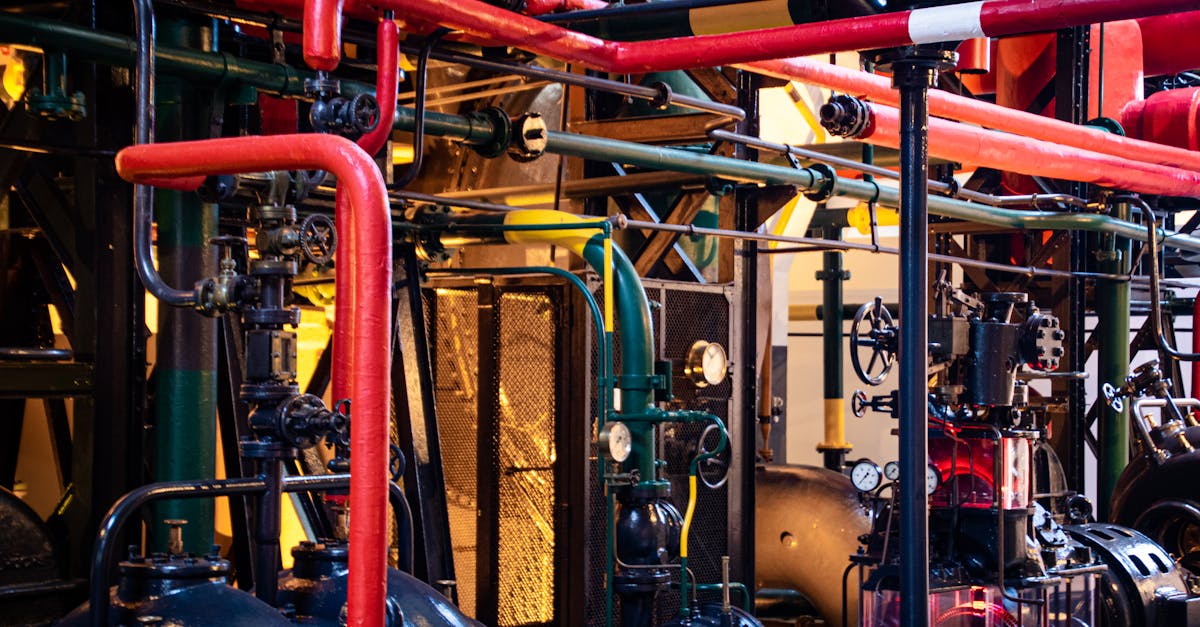
What factors are attributing to this shortage? The reasons behind this fuel distribution crisis are multiple. Strikes at refineries and social movements are leading to an interruption in refining operations, which is significantly limiting the supply of gas stations. Indeed, refineries such as TotalEnergies and Esso-ExxonMobil have reported production shutdowns due to strikes, even though demand remains high. These blockages often have immediate repercussions throughout the supply chain. 📝 Refinery strikes leading to production shutdowns.
🛢️ Logistical difficulties transporting fuel to stations.
The real challenge is maintaining a balance between demand and supply, especially since the economy and modern lifestyles rely heavily on fuel availability. Authorities must also assess the socio-economic repercussions of this situation, which affect not only motorists but also the transportation, delivery, and supply sectors in general. https://www.youtube.com/watch?v=hB03xsZzuUE Impact on Daily Commuting and Alternative Options Fuel shortages are forcing many users to rethink their daily commutes. Motorists must now be creative in navigating this now-fluctuating network of gas stations. This requires adaptation and, potentially, the exploration of alternatives to traditional fuel. Indeed, solutions such as carpooling, public transportation, or even electric vehicles are emerging as viable alternatives. 🚗 Use of services like Coyote to avoid congestion.
- 🚌 Increased use of public transportation to reduce fuel dependence.
- 🔌 Transition to electric vehicles in response to shortages.
- These changes are not immediate, but they reflect a collective awareness of the importance of diversifying transportation modes in the face of current uncertainty. In addition, the rise of apps like EasyCarburant allows users to locate available fuel stations and adjust their routes accordingly, offering real benefits to users.
Discover the causes and impacts of the current global fuel shortage. Analyze the economic, environmental, and social issues related to this crisis, as well as solutions to address it and ensure a sustainable supply.
Beyond the immediate effects on travel, this shortage raises economic and social issues. Small businesses often depend on fuel for their operations. Deliveries are becoming scarce, and transportation costs are skyrocketing, which can impact the final price of products. Furthermore, rising operating costs can lead to inflation, putting additional pressure on household budgets.
Statistics show
- that the price of fuel has increased significantly due to speculation and shortages. This pushes consumers to look for cheaper alternatives while monitoring price fluctuations. Region % of stations in difficulty
- Impact on prices
- Île-de-France
40% +10% compared to a month ago Loire-Atlantique

+12%
Bouches-du-Rhône
50% +15%
| The measures put in place to control these increases are necessary, but their effectiveness depends on the government’s ability to maintain order and manage supplies proactively. It seems obvious that this fuel crisis must be seen as a warning: the importance of diversifying energy sources and making the economy more resilient in the face of crises. 🌍 | Measures taken by the government and responses from users | In this period of crisis, the French government has implemented several actions to mitigate the effects of the shortage and ensure sufficient supply. Discussions with unions and oil companies are regularly organized to assess the situation. Beyond government initiatives, users have also started to adjust by adopting more economical behaviors. |
|---|---|---|
| 💡 Follow the station map in real time via | FuelAlert | . |
| 🔍 Limit non-priority journeys to save fuel. | 📢 Participate in discussion groups to exchange information about open stations. | These collective efforts help motorists navigate the complexity of a situation marked by often unexpected decisions. At the same time, station saturation leading to queues may encourage consumers to rethink their transport habits, potentially contributing to more sustainable mobility. |
| https://www.youtube.com/watch?v=5bFyOLGqjxc | Tips for Navigating During the Shortage | Here are some practical tips for motorists during this period of fuel shortage: |
📱 Download & use apps like
Essence&Co
to follow the stations.
- ⚙️ Consider teleworking when possible to reduce travel. 🧑🤝🧑 Carpool with colleagues or friends to share costs and reduce consumption.These suggestions aim to reduce dependence on fuel during this crisis, while maintaining necessary mobility. Creativity in transportation solutions becomes essential, because the challenges of this shortage invite a profound rethinking of habits.
- discover the causes and consequences of the fuel shortage, as well as tips for dealing with this energy crisis. learn about sustainable solutions and alternatives that are emerging in a changing world.
- Where to find reliable information on the fuel shortage?
Users must have access to reliable and up-to-date information about service stations affected by the fuel shortage. For this, several online resources are available:
Closer Mag
– Find solutions.
- 🔗 Marie France – Monitoring of the departments concerned.
- 🔗
- The JDD
– Interactive map of gas stations.
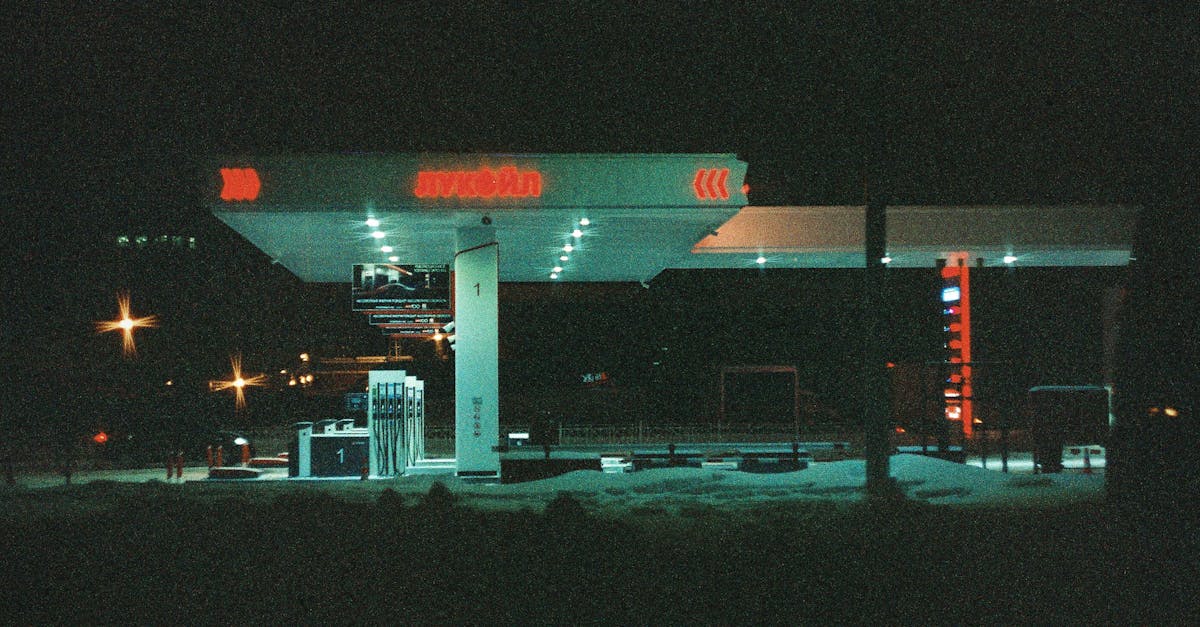
station-carburant.fr
as well as sites like
- carburants-price-comparator.fr , users can better plan their needs and avoid rushes at gas stations. Monitoring and disseminating relevant information, particularly on fuel availability, represents a key issue in this crisis. News source
- Type of information Links Closer Mag
- Instructions & advice To visit Marie France
List of departments To visit The JDD Interactive mapTo visit
| The centralized information is designed to help users adapt as best as possible to this particularly dynamic situation and to create a climate of solidarity in the face of the mobilization taking place around this issue. | FAQ on the fuel shortage | Q1: What are some reliable websites for tracking the fuel shortage? |
|---|---|---|
| A1: Websites such as | pénurie.mon-essence.fr | and |
| Closer Mag | offer up-to-date information on the status of gas stations. | Q2: How can I save fuel during this shortage? |
| A2: Use apps like | Coyote | to navigate efficiently, and consider carpooling or working remotely. |
Q3: What is the current situation in the Île-de-France region?
A3: Currently, approximately 40% of gas stations in the Île-de-France region are reporting stockouts, with the situation varying by department.
Q5: What are the economic impacts of the fuel shortage? A5: Prices are rising, transportation companies are struggling to deliver their products, and this could impact inflation in the long term.