
The future Mercedes V-Class: an innovative alliance between electrification and combustion engines
The Mercedes V-Class, an emblem of luxury and versatility in the world of large MPVs, is preparing for a major transformation in 2026. A true symbol of sustainable mobility and the future of eco-friendly transportation, this new generation is part of a dynamic that is both technological and environmental. Mercedes does not intend to abandon its values of robustness and comfort, while embracing essential innovations in a rapidly changing market. The major innovation lies in the harmonious coexistence of conventional combustion engines and a fully electric platform, marking a crucial step towards a fully electrified range. The German brand aims to position itself as a leader in the energy transition, offering a flexible range tailored to customer needs, while respecting its commitments to reducing CO2 emissions.

Why does the new generation of the Mercedes V-Class mark a turning point in sustainable mobility?
When it comes to the evolution of automotive technology, the future Mercedes V-Class stands out for its ability to combine multiple approaches. The main objective is to maintain a balance between tradition and innovation. On the one hand, the internal combustion engine retains pride of place, particularly for its advantages in terms of range and ease of use. On the other, the electric version, equipped with an 800V architecture, paves the way for ultra-fast charging, with a maximum power output of 22 kW in alternating current. With this combination, Mercedes is following a clear approach: offering a vehicle that doesn’t sacrifice performance or comfort, while reducing its environmental impact. The design also relies on innovations such as rear-wheel steering, for a limited turning radius and increased stability, essential for handling such an imposing vehicle. Key Features
| Details | Electrical Architecture |
|---|---|
| VAN.EA (800V, fast charging) | Combustion Engine |
| VAN.CA (classic version, compatible with many existing engines) | Charging Power |
| 22 kW AC | Innovative Technologies |
| Rear-wheel steering, vertical headlights, high beltline | A common architecture for several models: advantage or limitation? |
The strength of the Mercedes project lies in the design of a common platform, capable of accommodating an electric car as well as a combustion engine or hybrid utility vehicle. The VAN.EA and VAN.CA will be used to develop several future vehicles such as the next Sprinter or the Vito. By adopting intelligent modularity, Mercedes hopes to reduce costs while offering a more coherent range. The 70% reduction in common parts also promotes ease of maintenance and repair, a considerable advantage for professional fleets.
Discover the Mercedes V-Class, an MPV that combines elegance, comfort, and versatility. With its spacious interior and cutting-edge technology, it’s ideal for family trips or business trips. Explore the luxury and performance of a vehicle designed to meet all your needs.
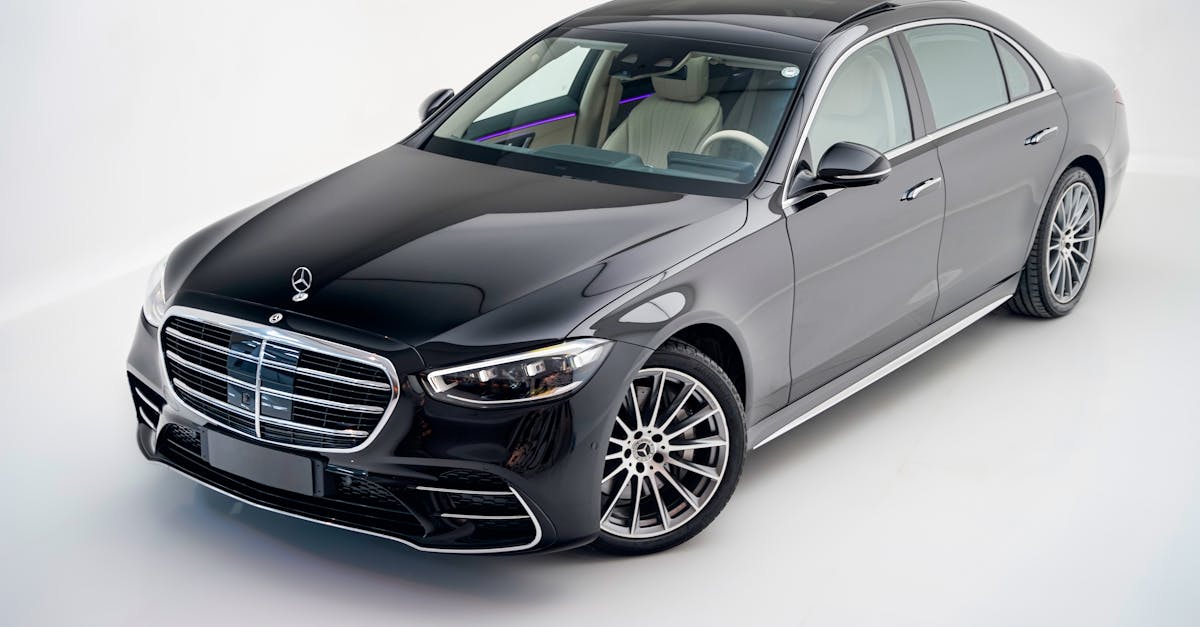
With a claimed range of over 500 km thanks to a battery capacity of over 100 kWh, the electric V-Class is positioned as a true standard-bearer of automotive technology. Its 800V platform allows for charging in just a few dozen minutes, which remains a key criterion for attracting customers and professionals. Moreover, the exterior design emphasizes a solid and modern impression, with a raised beltline and cube-like styling that reinforces its image as a robust yet elegant vehicle. The advantages of electric technology in the V-Class
🌿 Increased eco-friendly mobility
⚡ Fast charging and extended range
- 🧲 Less on-board noise, better acoustic comfort
- 🔋 Advanced battery technology, tested in extreme conditions such as the Arctic Circle
- 🚗 Compatibility with fast charging infrastructures in Europe
- Renewed design: robustness, modernity, and technical innovations
- The new Mercedes V-Class displays a resolutely modern design, with a cubic silhouette and a strong beltline. The imposing lines are accentuated by vertical optics placed on the ends, an aesthetic choice which reinforces the presence of the vehicle. The emphasis on solidity is not just aesthetic: the high body and the reinforced structure guarantee better shock resistance, both on the road and in off-road mode. This generation’s luster isn’t limited to the exterior; it also integrates technological innovations such as partial autonomous driving thanks to rear-wheel steering, promising smoother and safer driving. The coherence between design and technology conveys an image of robustness and high French know-how, but of course on the scale of German excellence.
discover the mercedes v class, the versatile van which combines comfort, space and elegance. ideal for families and professionals, this vehicle offers advanced technologies and a refined design for pleasant and safe journeys. explore its features and make each trip a unique experience.
The challenges of the transition between thermal and electric engines for Mercedes
🚗 Continuity across the range to satisfy a diverse customer base
⚙️ Cost reduction through shared use of parts
- 🧰 Rapid adoption of new technologies among professionals
- 🚀 Transition to greener transportation while maintaining performance
- Frequently asked questions (FAQ) about the future hybrid and electric Mercedes V-Class
- What will the actual range of the electric Mercedes V-Class be in 2026?
- It will be over 500 km, thanks to a battery of over 100 kWh allowing extended range for long-distance use.
Will the internal combustion engine Mercedes V-Class still be produced after 2026?
- Yes, Mercedes plans to maintain the internal combustion engine versions, in particular to meet the still-high demand, with the two powertrains coexisting harmoniously.
- How does Mercedes ensure the reliability of its batteries in extreme conditions? Rigorous tests, particularly in the Arctic Circle, guarantee optimal performance even in extreme cold or heat, proof of the robustness of the technology developed.
- What advantages does the common platform offer for maintenance?
- Cost reduction, logistical simplification, and better availability of spare parts for all vehicles based on this architecture.
- Will the future Mercedes V-Class be accessible to corporate fleets?
- Absolutely, with a range adapted to professional needs, this hybrid or electric version is part of the trend of fleet renewal towards more ecological transport.