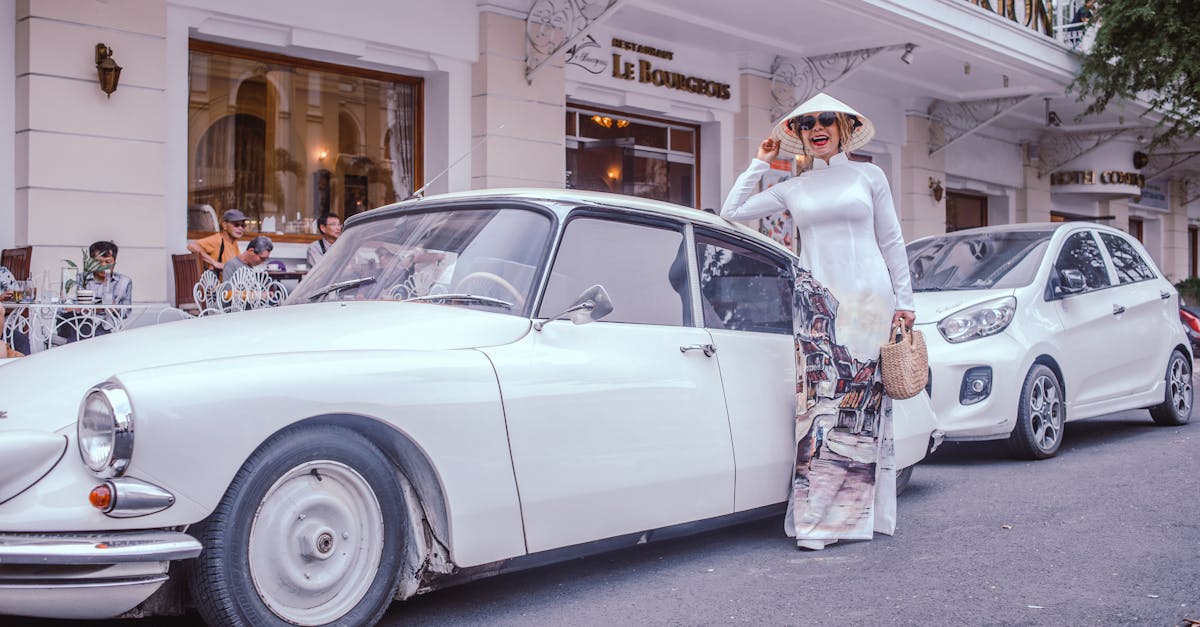
The Citroën Dyane (1967–1983): An improved and affordable version of the 2CV, starting at €6,000
Classic car enthusiasts often have a weakness for small cars that embody simplicity, innovation, and old-fashioned charm. The Citroën Dyane, produced between 1967 and 1983, perfectly illustrates this ability to combine practicality and personality. Far from being a simple evolution of the legendary 2CV, this car reveals its own identity, shaped by a lightness of design, technical creativity, and understated elegance that make it a rare collectible in 2025. Its ingenious design and incremental improvements have allowed it to appeal to customers looking for a practical vehicle, while maintaining an atypical look, almost out of step with the modernized standards of the 1970s and 1980s. All these features contribute to making this Citroën a sure value for collectors, particularly thanks to its affordable purchase price, around €6,000 for a version in good condition.
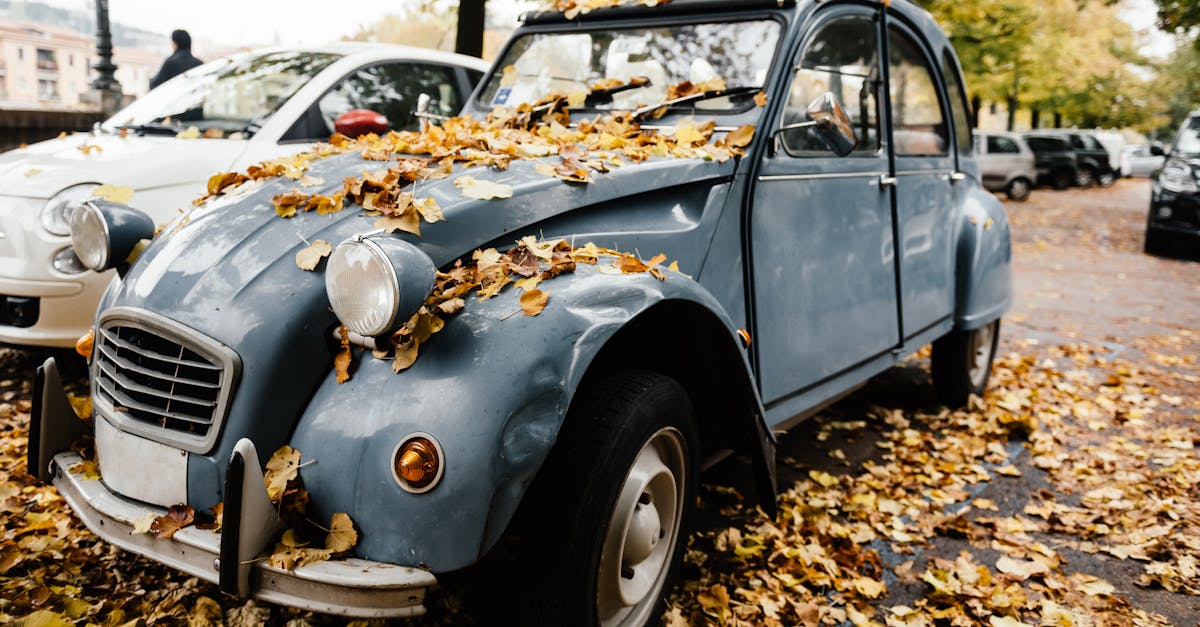
The origins of the Citroën Dyane: a manufacturer’s response to market challenges
At the end of the 1950s, the European automotive landscape was marked by fierce competition between several French manufacturers such as Renault and Peugeot, as well as foreign manufacturers like Fiat and Volkswagen, as well as more confidential brands like Simca and Talbot. The Grenzschneide of this era was resolved, in particular, by the emergence of simple and inexpensive cars aimed at an urban and working-class clientele. The Citroën 2CV, launched in 1948, dominated with its minimalist design and its ability to tackle any road. However, at the dawn of the 1960s, this legendary car began to show its limitations in the face of growing demand for greater comfort and improved waterproofing.
Faced with this, the brand with the chevrons decided to launch a car that would meet these new expectations while remaining true to its economical spirit. The Dyane, launched in 1967, was part of a strategy to respond to the move upmarket without distorting the essence of the utility vehicle. Its origins date back to a clear desire to offer a more modern, more practical, but also less spartan car than the 2CV. The modernized bodywork, the presence of a rear hatch, and an improved mechanical system borrowed from its iconic little sister, all constitute assets designed to satisfy a customer seeking autonomy and simplicity. The Dyane, often referred to as an « augmented 2CV, » represents Citroën’s attempt to respond effectively to the rise of Renault with the Renault 4, but also to Italian brands like Fiat, which offer models with a very attractive price/quality ratio.
The main technical and aesthetic features that make the Citroën Dyane a unique car
Despite a look that can sometimes seem a little old-fashioned or angular, the Citroën Dyane hides an ingenious design that has evolved over the years. Its design, all straight lines and squat shapes, optimizes interior space while maintaining a compact silhouette, ideal for city driving. The rear hatch, a clearly appreciated innovation, allows easy access to the trunk and facilitates loading, especially for small daily errands or family outings.
More powerful than the base 2CV, thanks in part to its improved engine, the Dyane boasts the following features:
- 🚘 Engine: 602cc inline twin-cylinder, powered by a twin-barrel carburetor, delivering power from 28 to 33 hp depending on the version and model year. 🔧
- Transmission: 4-speed manual transmission, front-wheel drive, easy to handle even for a novice driver. 🛠️
- Suspension: Front trailing arms and rear suspension with coil springs, ensuring efficient absorption of road irregularities. 🎯
- Top speed: Approaching 120 km/h, a respectable figure for a car in this class, capable of handling the limited highways of the early 1970s. 📉
- Fuel consumption: Around 6 liters/100 km, an undeniable asset for everyday use or fuel-efficient driving. Specifications Value
| Reference year | Engine type | 602 cc flat-twin |
|---|---|---|
| 1968-1980 | Power | 28-33 hp |
| 1968-1983 | Top speed | 120 km/h |
| – | Weight | 600 kg |
| – | Discover the Citroën Dyane, an icon of French automotive heritage. Combining retro charm and functionality, it’s perfect for vintage driving enthusiasts. Explore its unique design, performance, and fascinating history. | The different versions and their evolutions, an asset to the collection |
The upgrade versions differ mainly in:
🚗
Power and engine:
- The Dyane 6, produced since 1968, features a 602cc engine developing up to 33 hp, allowing for higher speeds and better acceleration. 🔧 Interior design:
- The addition of more comfortable bench seats, steering wheel holders, and a 12-volt electrical system enhance the driving experience. 🎨 Finishes & Options: The range consists of several levels, from the most basic Comfort to Luxury, with options such as chrome hubcaps, reinforced bumpers, and separate seats.
- 📅 Technical Developments: The grille, door handles, and suspension were regularly improved, while production of the basic version was discontinued in 1977.
- A curious fact: the limited edition Caban, released in 1977, is extremely rare and highly sought after by collectors. It testifies to the historical attachment to this car, which marked the end of the cycle for small, economical French cars. How much does a Citroën Dyane cost in 2025? The classic car market is undergoing rapid change. The Dyane, like the Renault 4 and the Fiat 500, is seeing its prices rise slowly but surely. Its financial accessibility remains one of its great assets, however, with examples in good condition being found from €6,000.
It’s a shame that some examples suffering from rust or poorly executed restorations require a more substantial investment. For a car in perfect condition or a rare version like the Caban, you’ll need between €8,000 and €9,000, or even more for a complete restoration.
Condition
Approximate Price
Comment
| Good overall condition | €6,000 | No rust or upholstery to be redone |
|---|---|---|
| Excellent example | €8,000–9,000 | Early versions or complete restoration |
| Complete restoration | €10,000 and more | Rare or very old example, concours condition |
| Collectible editions and options: a Dyane to cherish | Several limited editions or iconic models make the Dyane a highly sought-after collector’s car. The 1977 Caban series, for example, is one of the rarest examples, with only 1,500 units produced. Its rarity makes it a choice piece for collectors, especially if it retains all its original features without major modifications. | The first Dyanes, produced before the introduction of three side windows, also remain highly sought after. Their sleeker design and original engine make them ideal for restoration or preservation while respecting their original color. The rarity of certain examples lends them additional value, particularly for car enthusiasts with a nostalgic approach, but also those on the lookout for the best long-term investment opportunities. |
Points to look out for when buying: maintenance, corrosion, and spare parts
Like many small vintage French cars, the Dyane is vulnerable to corrosion. Rust mainly attacks the floor, door sills, and underbody. To increase its longevity, it is imperative to thoroughly inspect the body, avoiding models that have undergone extensive, unapproved repairs.
From a mechanical perspective, the engine and transmission, while robust in origin, require rigorous maintenance. Spare parts availability is excellent, as Citroën left behind a large stock of components, often compatible with other small French cars such as the Peugeot 2CV or early Fiat and Renault models. The aging upholstery, often made of canvas or vinyl, may also require updating to restore the car to its original splendor. 🛠️ Check for corrosion, especially underneath the car
🎯 Check the condition of the engine and transmission
👀 Carefully inspect the upholstery and exterior components
- https://www.youtube.com/watch?v=JBQebvWEkMA
- The mission of enthusiasts and collectors: preserving an iconic car
- Restoring a Citroën Dyane requires patience, but also knowledge of French automotive heritage. The enthusiast community, particularly through sites like
FAQs about the Citroën Dyane: Everything you need to know
What is the main difference between the Dyane and the 2CV? The Dyane stands out with its rear hatch, a slightly more modern body, and improved waterproofing. It also offers increased comfort, particularly with more comfortable bench seats, while remaining faithful to the lightweight and economical spirit of the original model.Can you still buy a Dyane in decent condition in 2025?
Absolutely. Demand for these vehicles is unabated, and it is still possible to find examples in good condition, often through specialized websites or at classic car gatherings. Prices start at €6,000, but the rarity of certain models can increase their value.
What are the main weak points of the Dyane?
Corrosion remains one of the major challenges, with a tendency to mainly attack the body and chassis. The upholstery may also require restoration. However, the mechanical simplicity greatly facilitates maintenance, with a large network of spare parts always available.
Which version is most sought after by collectors? The first Dyanes, particularly those produced between 1967 and 1970, as well as the 1977 Caban limited edition, are among the most sought-after models due to their rarity and authenticity.