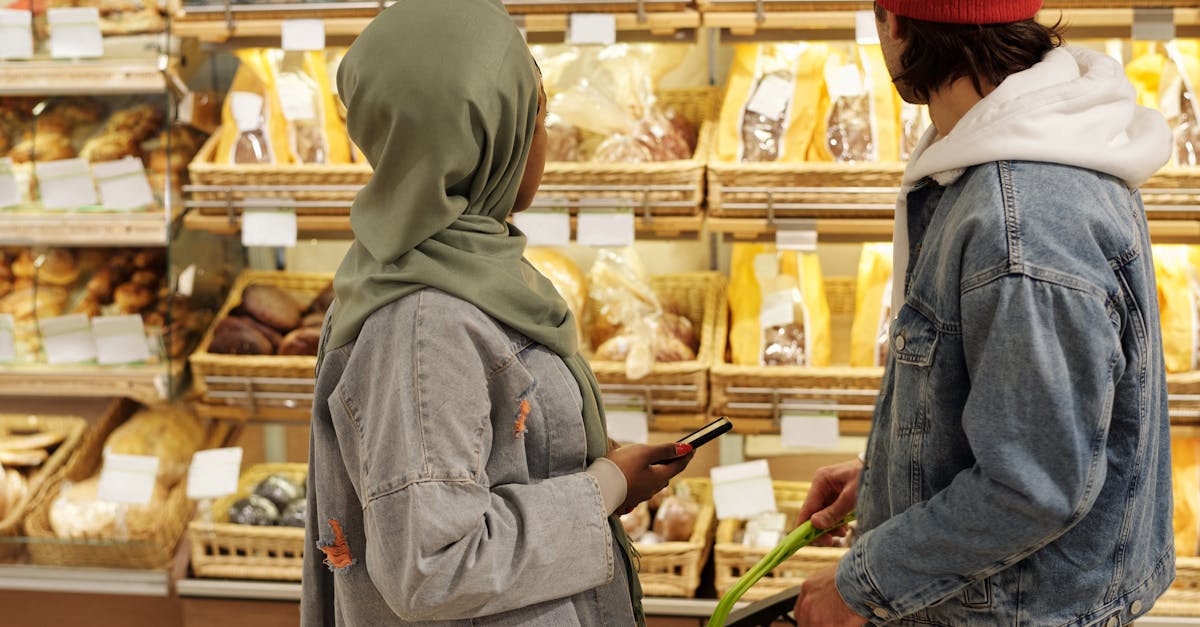
In Béziers, a small late-night grocery store has just found itself at the center of a serious regulatory scandal that is shaking up local businesses. The Albert 1er grocery store, located on the avenue of the same name, was forced to close its doors for two weeks due to non-compliance with regulations governing the sale of alcohol. This measure, taken at a time when authorities are increasing inspections to ensure public safety and peace, underscores the critical importance of complying with regulations in food and convenience stores. Since the implementation in November 2022 of a municipal ordinance requiring so-called late-night businesses to close between 10 p.m. and 6 a.m., this grocery store has been deviating from the imposed hours, leading to this heavy but necessary penalty.
This case illustrates the major challenges facing grocery store managers in Béziers and, more broadly, throughout the region, in a strict legislative climate that particularly targets late-night alcohol sales, often associated with alcohol-related incidents. Frequent checks carried out by the police and the prefecture services tend to remind us that compliance with quality, hygiene and food safety standards are essential components for carrying out this type of activity without legal risks or negative impact on the community.
This phenomenon is not isolated. This Wednesday evening, six other nighttime grocery stores were inspected in Béziers, revealing several compliance violations. This situation raises the crucial question of retailer responsibility and the consequences that repeated violations can entail, particularly with regard to hygiene, food safety, and fresh produce management. Faced with these constraints, many retailers must adapt quickly, or risk seeing their reputations tarnished and their businesses weakened.
Strict regulations governing grocery stores in Béziers: an essential control
Compliance with regulations is essential to ensuring the safety and quality of services offered by local grocery stores, particularly those operating late at night. In Béziers, the authorities have chosen to strengthen the legal framework to prevent incidents related to excessive alcohol consumption and improve hygiene standards in these stores. A municipal ordinance to regulate nighttime alcohol sales
Since November 10, 2022, a municipal ordinance has required nighttime businesses to close between 10 p.m. and 6 a.m. This decision follows a series of incidents in the city involving consumers purchasing supplies from these grocery stores. The objective is to limit access to alcohol during sensitive hours, in particular to prevent public disturbances but also to ensure better product health management.
This regulatory framework imposes a heightened duty of care on operators:
Strict compliance with opening and closing hours 📅
- Strict control of alcohol sales in accordance with current legislation 🥂
- Monitoring of hygiene and food safety standards 🔍
- The Albert 1er grocery store, temporarily closed, illustrates the direct consequences when these obligations are not met. To better understand these requirements, it is useful to draw on resources such as this recent investigation into inspections in Béziers, which detail the increased vigilance paid to sensitive areas.
The Challenge of Health Control and Quality Standards Beyond opening hours, compliance with quality standards equally affects the preservation of fresh produce, the cleanliness of premises, and food safety. Health inspections cover several aspects:Verification of the cold chain for fresh produce
Monitoring of food storage conditions
Compliance with hygiene rules for staff and contact surfaces Ensuring product traceability to prevent any health risks These elements help prevent non-compliant products from being placed on the market, a situation with serious legal consequences, as this legal analysis on corporate liability points out. Discover our online grocery store, where you’ll find a wide selection of fresh, organic, and local products, as well as everyday essentials. Enjoy the convenience of shopping from home with fast and reliable delivery.
- Regulatory Obligations 📜
- Objectives
- Consequences for Non-Compliance ⚠️
- Compliance with closing hours
Limit nighttime alcohol consumption Administrative closure, fines Monitoring the cold chain
| Risk of food poisoning, criminal penalties | Hygiene of premises and staff | Prevent contamination and ensure food safety |
|---|---|---|
| Administrative penalties, closure | Regulation of alcohol sales | Prevent disorders related to nighttime drinking |
| Severe penalties, temporary closure | Non-compliance and Administrative Closures: A Risk to Avoid for All Grocery Stores | The administrative closure of the Albert 1er grocery store is a reminder that non-compliance with regulations applied to food stores can lead to serious consequences for retailers. This situation is not unique and is part of a broader context of frequent and increased inspections across the country. |
| Closure for Non-Compliance with the Rules: The Consequences | The closure imposed on this grocery store is fifteen days. This period directly impacts the profitability and credibility of the business. These sanctions are intended to deter violations while protecting public health. Other penalties may be imposed in addition to the temporary license revocation: | Substantial financial fines 💰 |
| Obligation to comply or face heavier penalties 🛠️ | Possible criminal prosecution in the event of repeat offenses or fraudulent practices ⚖️ | As detailed in specialized resources, such as this legal briefing, the stakes are both civil and commercial. The merchant risks a loss of customer trust and a deterioration of their local reputation, in a sector where quality service is paramount. Concrete examples of similar situations |
Several grocery stores in the region have faced temporary closures for various reasons related to non-compliance:
Violation of hygiene standards due to the presence of pests 🐀
Illegal sale of alcoholic beverages outside authorized hours 🕙
Expired or mislabeled products leading to health alerts 🚨
- The increase in these cases points to a need for ongoing training and increased support for retailers to ensure compliance and limit the risk of penalties.
- Violation observed 🚩
- Sanction applied
Impact on Business Non-compliance with alcohol sales hoursAdministrative closure (15 days)
Decline in turnover, loss of confidence
Presence of pests
- Immediate closure with mandatory compliance
- Tainted image, financial penalties
- Expired products
Product withdrawal and fines
| Increased health risk, declining customer numbers | Legal obligations of retailers regarding compliance requirements | The legal regime applicable to grocery stores and food businesses imposes a series of obligations on operators to ensure consumer confidence and food safety. These rules are based in particular on the French Consumer Code and European standards relating to food safety. Key Principles of Legal Obligations |
|---|---|---|
| Fundamental obligations include: | The obligation for products sold to comply with applicable standards ✔️ | Guaranteeing food safety for consumers 🛡️ |
| Clear and transparent information regarding labeling and traceability | Prevention of public health risks, particularly food poisoning | All these requirements are detailed in specific texts, such as |
| this legal article | which explains the applicable legal framework. | Control mechanisms and sanctions |
Health authorities implement several mechanisms to verify compliance with standards:
Regular inspections by prefecture officials and veterinary services 🕵️♂️
Analysis of food samples taken on site 🔬
Specific checks on the preservation of fresh produce and hygiene of premises
- In the event of non-compliance, sanctions may be imposed on several levels: administrative, civil, and criminal. The legal framework highlights consumers’ rights in the face of these breaches and the obligations of retailers.
- Legal Obligation 🔐
- Controlling Parties
- Possible Sanctions ⚖️
Compliance with Hygiene and Food Safety Standards Prefecture, Veterinary Services Warning, Administrative Closure, Fines
Compliance of Products Sold
Local Health Inspection
- Product Withdrawal, Financial Penalties
- Information and Traceability
- Inspector Services
Fines, Obligation to Rapidly Comply Hygiene and Food Safety: A Key Issue for Local Grocery Stores Grocery stores in Béziers, like the Albert 1er grocery store, are subject to strict hygiene and food safety regulations. These requirements meet a fundamental need: to protect consumer health and maintain confidence in the quality of the products offered. Essential Hygiene Measures
| Several key points must be systematically followed in a food store: | Regular cleaning of surfaces and equipment 🧼 | Strict waste management to prevent pests 🗑️ |
|---|---|---|
| Ongoing staff training in hygiene standards 🔄 | Temperature control and handling of fresh produce ❄️ | These actions are essential prerequisites for good management, in order to prevent any risk of poisoning or cross-contamination, as highlighted in specialized resources on administrative closures due to hygiene violations. |
| Discover our grocery store, which offers a wide selection of fresh, organic, and local products. Enjoy a pleasant shopping experience with quality service and competitive prices. Shop easily in one place! Preserving Fresh Produce: A Strategic Focus | For grocery stores, cold chain management is crucial: | |
| Constant temperature monitoring 🥶 | Regular inspection of refrigeration and freezing equipment | Stock rotation to avoid expired products 🕰️ |
Batch recording and traceability for rapid response in the event of a health alert
This monitoring helps maintain food quality and protect public health. Retailers must follow specific instructions to avoid any violations that could lead to sanctions, as outlined in this article on food hygiene sanctions. Hygiene Measure 🧴
Main Objective
Possible Impact in the Event of Non-Compliance ⚠️
- Surface Cleaning
- Eliminate Bacteria and Contamination
- Contamination, Poisoning Risks
- Waste Management
Prevent Pest Proliferation Presence of Pests, Forced ClosureCold Chain Control
Spoiled Products, Health Risk
Staff Training
- Ensure Compliant and Secure Management
- Non-compliance with Standards, Sanctions
- Necessary Adaptations for Retailers to Avoid Non-compliance
- Faced with increasing regulatory constraints, grocery retailers in Béziers must urgently strengthen their internal procedures and master legal obligations, or face heavy penalties. The case of the Albert 1er grocery store should serve as a lesson for the entire industry. Implementing Strict Internal Procedures
To comply with these requirements, grocery stores must: Establish precise schedules for adhering to opening and closing hours ⏰Train staff on regulations relating to the sale of alcohol and food safety 🧑🏫
| Develop strict monitoring of product traceability and internal health controls ✔️ | Conduct regular internal audits to anticipate official inspections 🕵️ | The support of external experts or professional associations also helps ensure effective support for improved compliance. These investments in administrative and technical rigor are now essential in an increasingly restrictive legislative environment. |
|---|---|---|
| Transparent communication with customers and authorities | Clearly informing customers about opening hours and conditions of sale helps limit tensions and avoid misunderstandings that can harm a business’s reputation. Similarly, maintaining an open dialogue with authorities, in the event of inspections or comments, often tips the balance in favor of more flexible treatment. Recommended Actions ✔️ | Expected Benefits 🎯 |
| Risks Avoided 🚫 | Scheduling | Regulatory Compliance, Better Management |
| Administrative Closure, Penalties | Staff Training | Reduction in Violations, Quality of Service |
| Non-compliance, Legal Sanctions | Internal Audits | Anticipation of Problems, Continuous Improvement |
Inspection Surprises, Sanctions
Dialogue with Authorities
Better Understanding, Flexibility
Difficult Negotiations, Increased Penalties
- For further information, it is recommended to consult dedicated legal resources, such as
- this insight into consumer rights
- and the obligations of retailers.
- Discover our grocery store, a wide selection of fresh, organic, and local products to meet all your daily needs. Enjoy a pleasant and convenient shopping experience near you.
Frequently Asked Questions about Grocery Store Closures for Non-compliance
❓
What are the main reasons for administrative closures? These generally involve non-compliance with working hours, breaches of hygiene or food safety regulations, including the illegal sale of alcohol outside of authorized hours.
| ❓ | How long does an administrative closure last? | The duration varies, but in the case of the Albert 1er grocery store, it was set at 15 days. This can be adapted depending on the seriousness of the offenses. |
|---|---|---|
| ❓ | What additional sanctions can be added to the closure? | Financial fines, an obligation to comply under penalty of heavier sanctions, or even criminal prosecution in the event of repeat offenses. |
| ❓ | How can a merchant prevent non-compliance risks? | By implementing strict procedures, training its teams regularly and ensuring rigorous monitoring of applicable regulations. |
| ❓ | What are the rights of consumers in the event of purchasing non-compliant products? | Consumers have enhanced protection, including the right to a refund or exchange, as specified in |
| this legal resource | . |