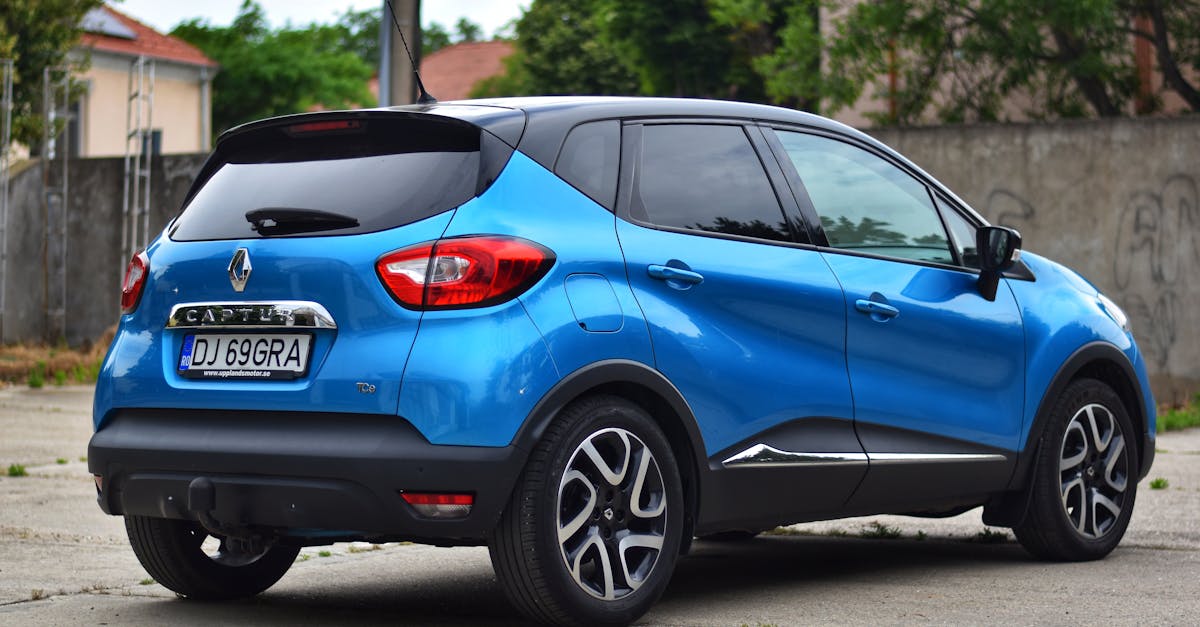
The Renault 4, runner-up in versatility in French automotive history, continues to fascinate in 2025. With more than 8 million units produced, this iconic little car has adapted to every era, from the 1960s to the late 1980s, always generating interest among collectors and buyers looking for a practical and economical vehicle. Its simple but ingenious design, combined with innovative technology for its time, makes it an essential reference compared to its competitors such as the Peugeot 205, Citroën Visa or even the Volkswagen Golf from the same period. The Renault 4 is not just a classic car, it is a true icon that symbolizes durability and ease of use. Today, in 2025, it is still possible to find a Renault 4 starting at €4,000, offering a unique opportunity to acquire a collector’s item or a car for everyday use at an affordable price, while benefiting from a rich history and robust mechanics. Its timeless appearance, its practical qualities, and the nostalgia it represents, give it a special status in the hearts of lovers of authentic vehicles. Faced with a multitude of modern vehicles that are often sophisticated but expensive, the Renault 4 retains a special place in the vintage used car market, thanks to its unrivaled value for money. By including models at various price points, it remains an accessible option for those who want to combine driving pleasure and authenticity without breaking the bank.
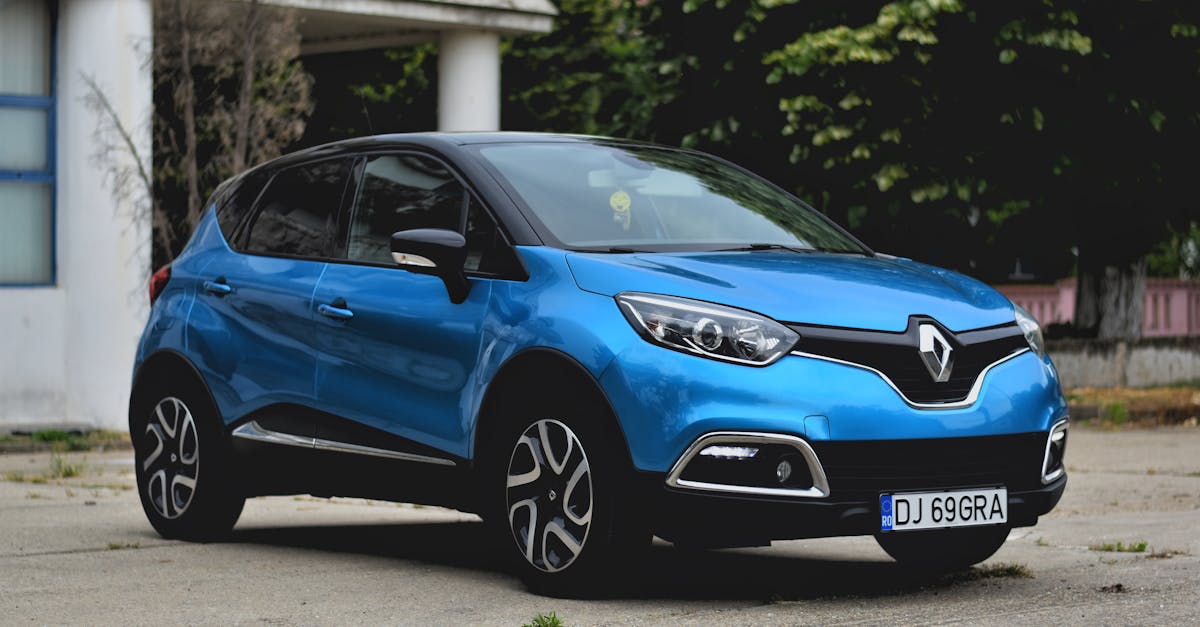
The origins and evolution of the Renault 4: how was this icon born?
The 1950s saw a real awakening among French manufacturers, notably Renault, regarding the rise in power of the Citroën 2CV, a true symbol of simplicity and adaptability. With few resources but a clear vision, the diamond brand decided to launch a daring project: create a simple, robust car, and above all accessible to everyone, both in town and in the countryside. The post-war economic context, marked by strong growth and growing mobility needs, encouraged Renault to draw inspiration from the popular success of the 2CV while seeking to differentiate itself from it. Thus was born the 350 project, a vehicle destined to become the Renault 4, or rather the “four-lion” in internal slang, which would officially become the Renault 4. Its development is based on a philosophy of mechanical simplicity combined with extreme adaptability. By choosing front-wheel drive, a separate chassis, and a five-door body, Renault marks a break with its previous models and affirms a desire to produce a car that is practical, reliable and economical. The genesis of the Renault 4 is therefore fueled by the desire to meet the expectations of a general public still hesitant about the modernity of vehicles. The transition to front-wheel drive, the use of a 4 HP engine, and the design of innovative suspensions, such as independent torsion bars, have allowed the Renault 4 to stand out and offer deliberately easy and safe driving for everyone. Its design, often considered modest or even “ugly” according to some purists, hides a remarkable technical intelligence at that time. All this, with a constant concern for mass production, cost reduction, and reliability, gives it this reputation as a robust little car that has survived the decades without pretension but with flying colors.
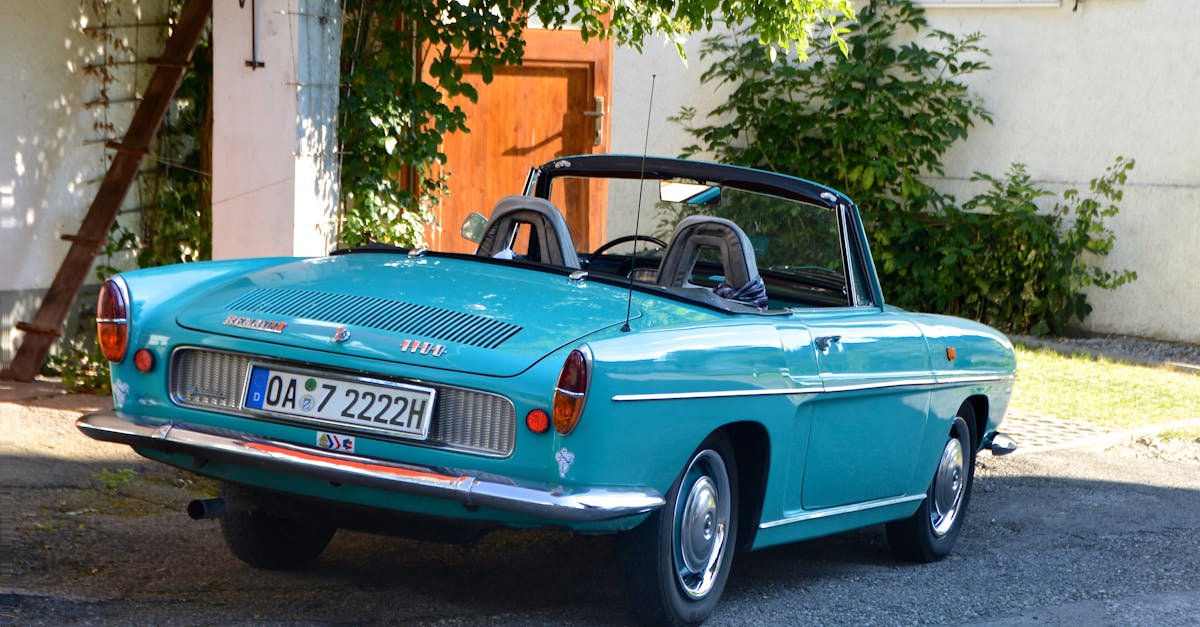
The main technical characteristics of the Renault 4: what an innovation for the time?
The Renault 4 first stood out for its bold engineering in terms of suspension and cooling. Its platform was based on technical solutions that few cars in its category could boast in 1961. The fully independent torsion bar suspension, both front and rear, offered remarkable comfort, particularly in urban environments or during bumpy country journeys. The rack-and-pinion steering system promoted increased maneuverability, even in confined spaces, a valuable advantage over the stiffer and less flexible competition. Its engine, a 747 cc inline 4-cylinder, then provided moderate but sufficient power for most everyday uses. The 32 horsepower version, introduced shortly after the launch, allowed a top speed of 120 km/h to be reached safely. In addition to its conventional engine, the Renault 4 introduced a sealed cooling circuit, a premise of increased reliability for all its models, even those subjected to intensive use. The car also boasts a remarkable load capacity for its size, with a payload of up to 300 kg. The use of interior space, optimized by an innovative rear hatch, represents a real turning point in the design of small family cars. The simplicity of its mechanics, combined with a long lifespan, makes it a preferred choice for those looking for a durable and inexpensive vehicle to maintain. The competitiveness of the Renault 4 compared to other models such as the Fiat 124 or the Peugeot 104 is undeniable, particularly thanks to its exceptional stability and ease of repair. Although its technical characteristics have evolved throughout its production, the spirit of innovation that underlies it has never been questioned, thus ensuring its place among the top cars timeless.
| Features | Specifications | Notes |
|---|---|---|
| Engine | 4-cylinder, 747 ccPower: 26.5 hp in the initial version | Suspension |
| Independent torsion bar suspension | Excellent road handling | Transmission |
| 4-speed manual transmission | Easy to use and maintain | Top speed |
| 120 km/h | Respectable for a small car of its era | Discover the Renault 4, a French automotive icon combining practicality and retro style. Explore its unique design, comfort, and fascinating history, which make it a timeless classic. |
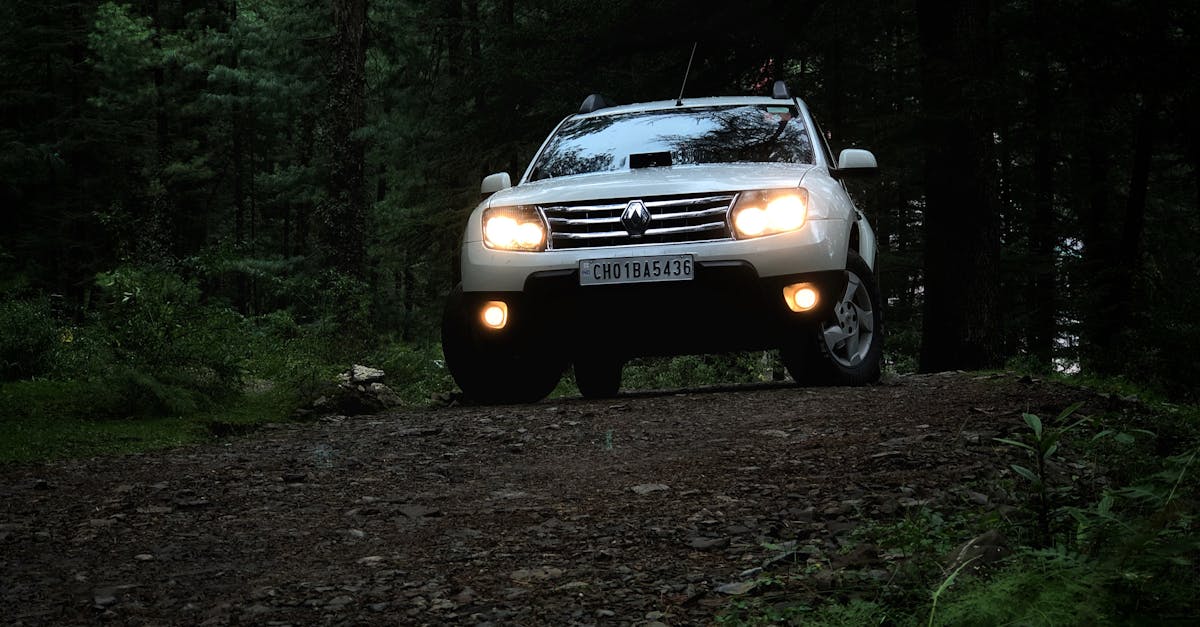
Over the years, the Renault 4 range expanded to meet the needs of an increasingly demanding and diverse clientele. In 1961, the basic version, the R3, offered a 603 cc engine with 22.5 horsepower, ideal for city driving or for those looking for economical use. Quickly succeeded by the R4, equipped with a more powerful 747 cc engine and 26.5 horsepower, it established itself as a practical choice for families and tradespeople. Following this initial version, Renault quickly launched more sophisticated editions, such as the R4 L, with a more comfortable layout and a practical tailgate. The range was modernized by incorporating more luxurious versions, such as the Parisienne, which combined elegance and practicality in a refined body. Among the limited editions, the Safari, launched in 1978, attracted attention with its tubular protection and sporty design, while the Jogging, introduced in 1981, played the fantasy card with its colorful stripes and specific equipment. The GTL, slightly more powerful with its 1,108 cc engine, became a sure bet for those looking to combine performance and fuel efficiency. The diversity of engines and accessories allowed enthusiasts to choose their model according to their use and style, whether it was a practical car for everyday use or a piece for a collection.
How much does a Renault 4 currently cost: unbeatable value for money?
In 2025, the classic car market is revealing a surprising trend: the Renault 4 remains affordable while being highly sought-after. It is possible to find a Renault 4 in good condition from €4,000, particularly models from the 70s or 80s. This price mainly concerns vehicles with some cosmetic or mechanical defects, perfect for restoration or light use. For those looking for a more recent model or in better condition, it will be necessary to expect between €6,000 and €8,000 for a more refined version, such as the Parisienne or the Super. Some limited editions such as the Safari or the Bye Bye easily exceed €10,000, or even €15,000 for models in perfect condition or with low mileage. It should also be noted that the Renault 4’s value continues to rise, amplified by the enthusiasm of collectors, particularly for rare or old series. With this in mind, comparing its price with that of contemporary cars like the Fiat Panda, the Nissan Micra or the Toyota Aygo, the Renault 4 offers undeniable financial flexibility. The mechanical simplicity, low fuel consumption and ease of repair reinforce this impression of excellent value for money. Even compared to alternatives like the Peugeot 205 GTi or the Opel Corsa, the Renault 4 stands out for its durability and ease of maintenance, essential features for use in 2025.
Price in 2025
| Model Type | General Condition | Notes | From €4,000 |
|---|---|---|---|
| 1970s/1980s models, fair condition | Limited wear, some minor defects | Ideal for restoration or economical everyday use | €6,000–8,000 |
| Parisian or Super version | Best condition, low mileage | Ideal option for serious use or collection | Over €10,000 |
| Limited editions (Safari, Bye Bye, Sixties) | Excellent condition, low mileage, collector’s item | Rare and well-preserved pieces, an investment | Special versions and limited editions: which ones should you treasure? |
The limited editions of the Renault 4 are particularly attractive to enthusiasts and collectors in 2025. The R4 Safari, for example, released in 1978, stands out for its tubular protection, bright colors, and adventurous spirit. A true icon for rural getaways or family outings. The Jogging, introduced in 1981, captivates with its colorful stripes, dynamic look, and specific features such as tubular frame seats and playful decor. Editions like the Sixties, which celebrate the seventies era with their retro decor, or the rare Bye Bye, a limited edition of 1,000 units, can reach values exceeding €15,000 in good condition in 2025. The luxury range, represented by the Parisienne version, remains highly sought-after, particularly for its interior design elements and elegant finishes. These cars, fully restored or retaining their original patina, are a true treasure for enthusiasts. Beyond their simple financial value, these pieces embody an era when user-friendliness and practicality prevailed over technical sophistication. The availability of these models remains limited, reinforcing their status as rare pieces. Browsing through listings, one regularly comes across examples in perfect condition or perfectly restored, which fuels speculation and keeps their prices high.
Precautions before buying a Renault 4 in 2025:
Buying a Renault 4 today requires special attention, especially given the sheer number of vehicles available on the used car market. The first step is to check the condition of the bodywork, particularly for rust, which remains the main enemy of these aging little cars. The platform is generally the most vulnerable area, especially in humid or salty regions. It is advisable to favor vehicles that have undergone a restoration or meticulous maintenance. Next, the engine should be examined for parts conformity, particularly the presence of steering knuckles or other components that may have caused accidents or are defective. Looking for maintenance invoices and service logs can greatly help assess the reliability of the model. Mechanically, attention should be paid to the suspension, brakes, and the general condition of the sealed cooling system, a sign of good preventative maintenance. In terms of price, keep in mind that the best-preserved or restored models sell for between €8,000 and €15,000, depending on their rarity. The price continues to climb, especially for special editions in perfect condition. Finally, it’s wise to learn about the vehicle’s history through ownership declarations or technical inspections to avoid any unpleasant surprises when purchasing. The current trend, by emphasizing restored or preserved original models, favors a certain selection that guarantees lasting buyer satisfaction.
Should you check?
| Key points | Tips | Corrosion and bodywork |
|---|---|---|
| Presence of rust, fragile chassis | Preference restored vehicles or those in good condition | Mechanical system |
| Engine condition, suspension, brakes, cooling system | Thorough review and verification of maintenance invoices | History and documents |
| Invoices, logbooks, technical inspection | Take the time to analyze the vehicle’s traceability |