
The European automotive market has seen remarkable growth in recent years with the gradual arrival of Chinese manufacturers. Among them, BYD, LeapMotor, and Xpeng have established themselves as significant players, rivaling the majority of the traditional pack of European giants. These brands rely on a strategy combining innovative technologies, attractive price-performance ratios, and rapid network expansion. Their objective is clear: to establish a solid foothold in Europe, a constantly evolving automotive sector, and to offer a credible alternative in the highly competitive electric and hybrid vehicle segment. This Chinese offensive comes at a time when sustainable mobility is more important than ever, driven by strict emissions regulations and a growing demand for more responsible transportation. BYD, with its extensive experience and industrial capabilities, is banking on a diverse and robust range. LeapMotor, the younger brand, seeks to attract customers with its original designs and competitive prices, while Xpeng capitalizes on technological innovation and connected features. This trio also stands out for its ability to adapt its vehicles to the specific expectations of the European consumer, which helps them overcome the initial barriers to acceptance.
Beyond the technical and product aspects, these brands are collaborating with local distributors and investing heavily in electromobility-related infrastructure. Their progress signals a profound shift in the competitive balance of the automotive sector by 2025, with China no longer content to be a domestic player, but intending to play a major role on the international stage. This phenomenon, documented in several sector analyses, reveals that Chinese manufacturers are not just temporary challengers, but long-term contenders. However, challenges remain, particularly in terms of customer loyalty and brand perception, before they become as familiar as their European counterparts.
BYD’s Winning Strategy in the European Electromobility Market
BYD, short for « Build Your Dreams, » is one of the Chinese pioneers of electromobility, with over 25 years of experience in batteries and electric vehicles. Its entry into Europe is based on its recognized expertise in the production chain and a comprehensive industrial vision. BYD adopts a multifaceted approach: offering hybrid and fully electric vehicles adapted to the diverse needs of European consumers, while integrating advanced technological innovations. A fundamental aspect of BYD’s strategy is its emphasis on autonomy and safety, two key criteria for buyers. For example, its flagship models, such as the BYD Tang EV, often offer a range exceeding 500 km in real-world conditions, placing the brand well-positioned against European and American standards. This performance is supported by internally developed batteries, which allows it to control costs and quality. This represents a crucial advantage over established groups such as Geely and SAIC Motor.
Furthermore, BYD is not afraid to create local partnerships to leverage a better distribution network and after-sales service. This facilitates access to a European clientele that is sometimes wary of new entrants. Attractive prices, combined with a rich technological offering (infotainment systems, driving aids), contribute to an image of enhanced value for money. 🚗 Versatile models with hybrid and electric powertrains
🔋 Complete mastery of batteries and their integration
🤝 Local partnerships to facilitate marketing
- 💡 Constant innovation in connected features and active safety
- 💰 An aggressive pricing policy to compete with European brands
- BYD Model
- Engine Type
- Range (km) 🔋
| Recommended Price (€) 💰 | Distribution in Europe | BYD Tang EV | 100% electric | 520 |
|---|---|---|---|---|
| 55,000 | France, Germany, Netherlands | BYD Atto 3 | 100% electric | 420 |
| 38,000 | France, Spain | BYD Han EV | 100% electric | 600 |
| 65,000 | Germany, Sweden | Before moving on to the next part of this trio, it’s important to note that BYD benefits from excellent feedback, due in part to its strong presence in China and in America, which gives it a significant competitive advantage. It successfully combines a robust offering with controlled costs, something that other emerging brands lack in certain areas. | Discover the Chinese auto brands that are revolutionizing the industry with their innovation, modern design, and exceptional value for money. Explore a variety of models, from electric vehicles to stylish SUVs, and learn how these brands are gaining popularity in the global market. | LeapMotor: The Rise of an Electric Challenger Adapting to Europe |
LeapMotor is still a young brand compared to BYD or Xpeng, but it is making rapid progress in conquering the European market. Coming from a more recent generation of Chinese manufacturers, LeapMotor focuses on attractive designs and simplified onboard technology, while also focusing on very competitive prices. Its vision is to democratize electric mobility, primarily targeting city dwellers and young drivers.
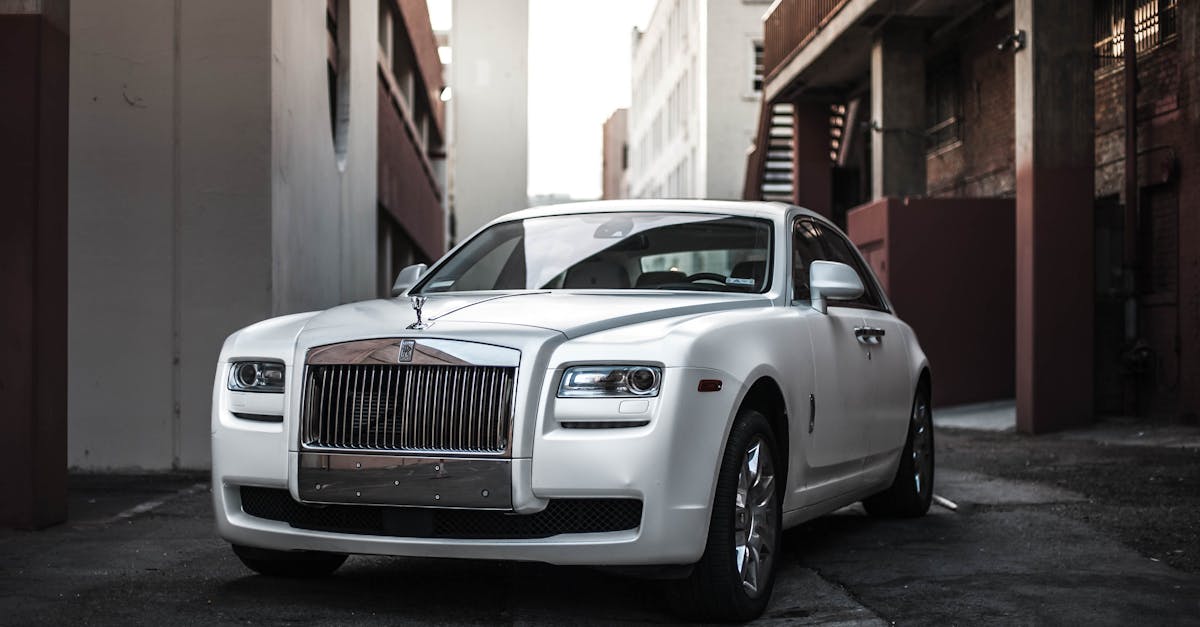
This positioning is also reflected in a flexible production organization, supported by an agile supply chain. For example, LeapMotor is able to quickly launch limited series or adapt its vehicles to local specificities faster than the majority of the European peloton.
📱 Connected and intuitive user interface
🚙 Compact models ideal for urban driving
⚡ Very competitive prices to democratize electric vehicles
- 🔄 Rapid adaptation to regional markets
- 🛡️ Safety compliant with European standards
- LeapMotor model
- Engine type
- Range (km) 🔋
| Indicative price (€) 💰 | Main target markets | LeapMotor C10 | 100% electric | 305 |
|---|---|---|---|---|
| 23,500 | France, Belgium | LeapMotor S01 | 100% electric | 400 |
| 32,000 | France, Spain | LeapMotor C11 | 100% electric | 450 |
| 36,000 | Germany, Netherlands | LeapMotor has successfully attracted a target audience that prioritizes affordability and sufficient performance, opening doors in countries where the electric vehicle market is still developing compared to strongholds like Germany or Scandinavia. Its rise also illustrates that, in the highly competitive automotive world, flexibility and commercial innovation are essential assets for competing with traditional major European brands. | https://www.youtube.com/watch?v=YX8ALLlELdg | Xpeng: Chinese technological innovation serving the European market |
Xpeng is another leading Chinese electric vehicle company, known for its strong investment in research and development, particularly in autonomous driving and intelligent interfaces. Its stated ambition is to leverage advanced onboard technologies to differentiate itself in the European market. Xpeng models feature a highly assisted driving experience, with sophisticated driver assistance systems, including sign recognition and autonomous navigation in urban areas. This represents attractive added value for consumers looking for a modern, connected car, suited to the challenges and demands of complex European traffic.
🚦 Advanced autonomous driving technologies
🖥️ Integrated and smart infotainment systems
🛋️ Neat finishes and modern interior design
🌍 Adaptability to European infrastructure
- 💸 Competitive pricing with an accessible premium range
- Xpeng model
- Engine type
- Range (km) 🔋
- Indicative Price (€) 💰
| European Markets | Xpeng G3 | 100% Electric | 430 | 40,000 |
|---|---|---|---|---|
| France, Germany | Xpeng P7 | 100% Electric | 580 | 55,000 |
| Sweden, Norway | Xpeng G9 | 100% Electric | 540 | 60,000 |
| Germany, United Kingdom | Interest in Xpeng in Europe reveals that consumers are willing to consider newer brands to benefit from more advanced innovations, especially in a context where competition is increasingly based on connectivity and driver assistance technologies. However, Xpeng remains aware that it still needs to consolidate its brand awareness and establish itself against established players such as Great Wall Motors, Changan Automobile, and FAW Group, all present in the electric segment. Discover the Chinese car brands that are revolutionizing the automotive industry with their innovations, modern designs, and advanced technologies. Explore a world of vehicles that combine performance and sustainability. | Implications for the European automotive market in the face of the arrival of Chinese manufacturers | The emergence of BYD, LeapMotor, and Xpeng is disrupting the traditional balance of power in the European automotive sector. The rise of these players is challenging the historical dominance of European manufacturers, forcing them to reinvent themselves to maintain their grip. This dynamic is generating several notable effects: | ⚖️ Intensified competition on price and technological innovations |
🌱 Acceleration of the transition to greener and more connected vehicles
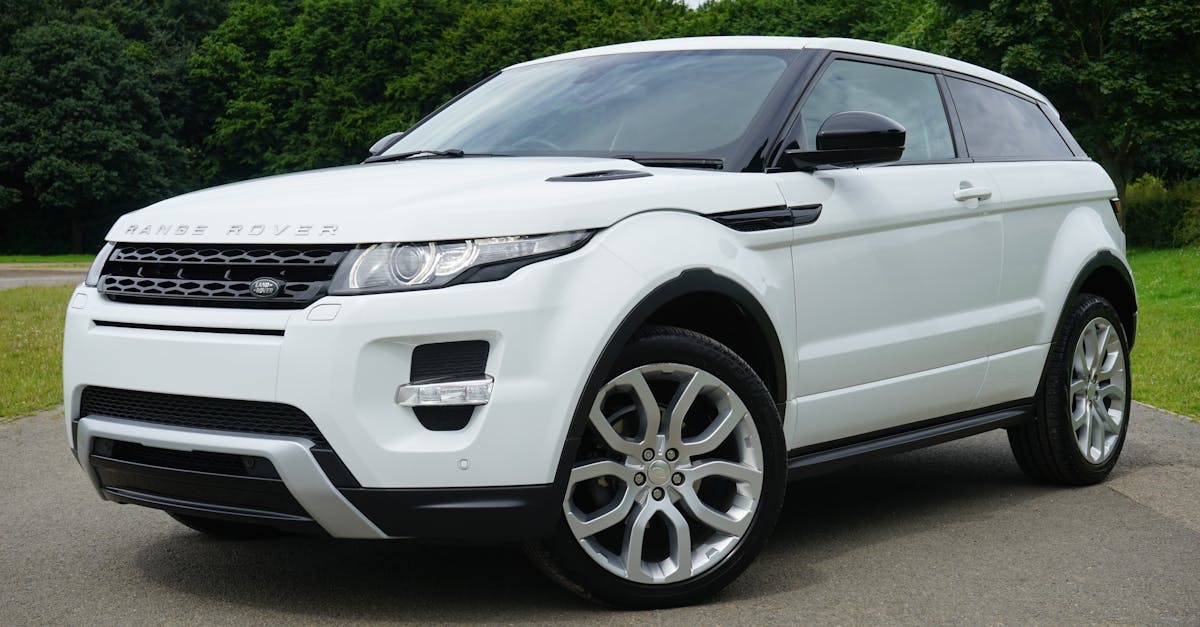
🏭 Pressure on production networks and the adaptability of European supply chains
🤝 New strategic alliances and partnerships between local and Asian players
- Major brands like SAIC Motor, Dongfeng Motor, and Geely, also on the continent, are observing and adapting. Competition isn’t limited to models alone, but is accompanied by a real battle in the service arena: availability of charging infrastructure, ease of maintenance, warranty, and assistance. These parameters now appear as crucial as vehicle performance.
- This offensive by Chinese brands also reflects a broader trend of globalization and technological exchange. European consumers know they can access a diversified offering, with models often better equipped technologically at prices comparable to or lower than those of traditional manufacturers. The challenge for Europe will be to integrate these new offerings while developing its own solutions, so as not to lose its market share. Chinese Manufacturer
- Presence in Europe 🇪🇺
- Main Segments
- Adopted Strategies
Outlook for 2025
BYD
| France, Germany, Netherlands | EVs, Hybrids | Strong in-house production, local partnerships | Continued expansion with upmarket development | LeapMotor |
|---|---|---|---|---|
| France, Belgium, Spain | Compact EVs | Flexibility, aggressive pricing | Strengthening urban presence | Xpeng |
| France, Germany, Scandinavia | Premium EVs | Advanced technology, autonomous driving | Consolidation and increasing market share | https://www.youtube.com/watch?v=d_HzLPHeey0 |
| Outlook and major challenges for Chinese brands in Europe in 2025 | The remarkable entry of BYD, LeapMotor, and Xpeng into Europe marks a major milestone, but it also comes with challenges that must be overcome to ensure sustainable growth. The European context is demanding, with strict regulations, a quality-conscious customer base, and already well-established competition. | The main challenges include: | 🔍 Building a trusted image among European consumers, who are still cautious about new foreign brands | ⚙️ Establishing an efficient after-sales service network across the country, essential for customer loyalty |
🛡️ Ensuring vehicle quality and durability in the face of persistent skepticism
🔄 The ability to constantly innovate, building on the progress of Chinese leaders like Nio and Great Wall Motors
These parameters are all levers for BYD, LeapMotor, and Xpeng to stand out in the long term and move beyond mere outsiders. Potential alliances with European groups, or the use of solutions such as the integration of CarPlay and Android Auto platforms for infotainment, could also work in their favor. The growth of these brands is also reflected in the figures: several reports predict a doubling of Chinese manufacturers’ market share in Europe by 2027. However, conquest is not a foregone conclusion—quality and service will be determining factors in this battle, which promises to be fierce. Not to mention competition from other Chinese groups such as FAW Group, Changan Automobile, and Dongfeng Motor, which are intensifying their efforts.
- Key Challenge
- Planned Solution
- Expected Impact
- Trust & Brand Image
- Targeted Communication Campaigns and Customer Testimonials
Better Acceptance and Increased Awareness
After-Sales Service
| Extended Network, Training of Local Technicians | Strengthened Customer Loyalty and Satisfaction | Product Adaptation |
|---|---|---|
| Local Research & Development, User Feedback | Compliance and Relevance of Offers | Innovation |
| Technological Partnerships, Leveraging Internal Talent | Long-Term Competitive Positioning | The impact of this dynamic is also felt in the choices of buyers, who tend to favor models offering not only good value for money, but above all vehicles with sufficient range and modern equipment. It’s important to remember that even in the face of European heritage and expertise, the efforts of brands like BYD and Xpeng are much more than mere experiments – they are permanently placing China on the global mobility map. |
| https://twitter.com/PFA_auto/status/1862060575204753560 | FAQ: Frequently Asked Questions about BYD, LeapMotor, and Xpeng in Europe | 🔎 What are the reasons for BYD’s success in Europe? |
| BYD benefits from complete expertise in batteries, an aggressive pricing policy, and a range adapted to several segments, which gives it a solid positioning against European competition. 🔎 Is LeapMotor suited to European urban needs? | Yes, its compact and connected models like the C10 are specifically designed for urban mobility, with an intuitive interface and an affordable price. | 🔎 What technology sets Xpeng apart from other Chinese brands? |
Xpeng is heavily focused on advanced autonomous driving and the integration of intelligent systems, offering an innovative user experience in the European market.
Yes, many of them, including BYD, are forming local partnerships to improve distribution, after-sales service, and product development.
- 🔎 What does the future hold for Chinese brands in Europe?
If they succeed in consolidating their image and ensuring quality, their market share is expected to continue growing, profoundly changing the European automotive landscape by 2030.
- For more information on this topic, consult the detailed analyses available at
South West
- ,
Classical Radio
- ,
Automobile Magazine
- or even
Energy