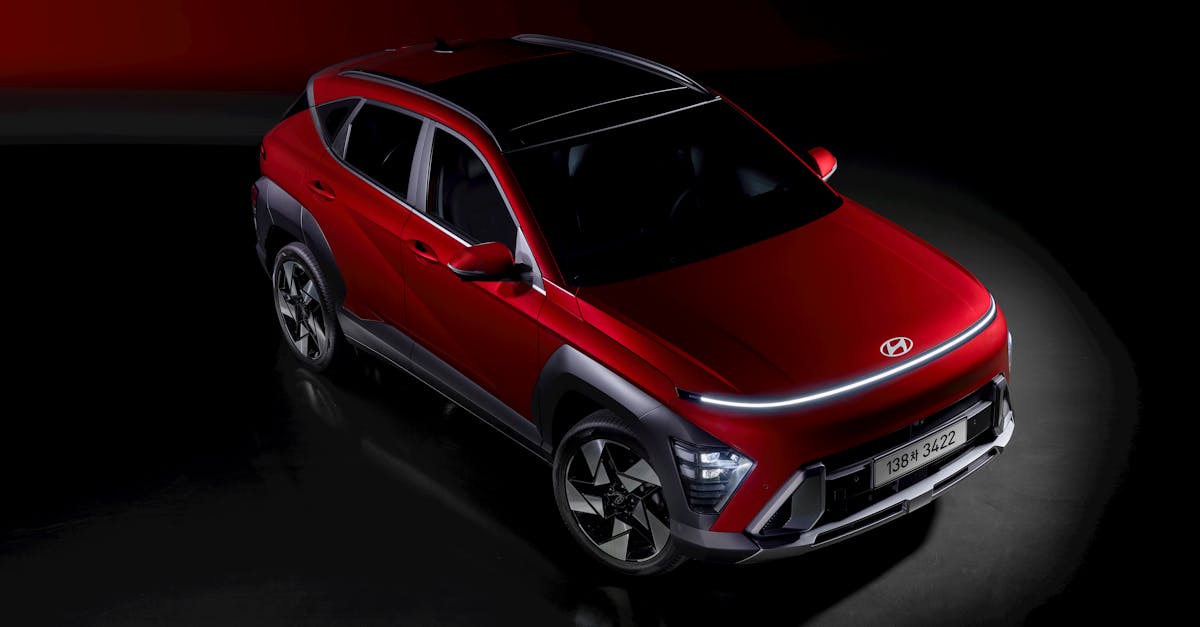
This document explores in depth the introduction of a hybrid engine into the Renault Captur range in 2025. It details how this innovation transforms performance, energy efficiency, and the manufacturer’s sustainable mobility strategy. The discussion covers technical developments, consumer benefits, the specific features of the hybrid model, environmental issues, and the role of this engine in the competitiveness of the automotive market.
Summary of the Renault Captur Hybrid in 2025
In 2025, Renault is modernizing its range with the integration of a 160-hp E-Tech hybrid engine in the popular Captur. Based on the Dacia Bigster model, this engine embodies innovation, performance, and increased energy efficiency. This is a key step for the manufacturer, which aims to consolidate its position in the eco-friendly urban vehicle segment while offering an affordable model with outstanding value for money. The goal: to meet growing consumer expectations regarding sustainable mobility by offering an electric or hybrid vehicle that combines reliability and lightweight design. The challenges of integrating a hybrid engine into the Renault Captur rangeThe decision to add a hybrid engine to the Renault Captur range was driven by several fundamental factors: the transition to more responsible mobility, fierce competition in a market dominated by urban segments, and the desire to significantly reduce the vehicle’s environmental impact. The rise of strict CO2 emission standards requires a complete rethinking of the powertrain of traditional models. For Renault, this development is part of its overall strategy to make its vehicles both efficient and environmentally friendly, while maintaining their affordability. The new 160-hp hybrid engine is gradually replacing the previous 145-hp version, providing more power without compromising fuel efficiency.
Discover hybrid engines, an innovative technology that combines performance and respect for the environment. Learn how these engines reduce CO2 emissions and optimize fuel consumption, while providing a pleasant and dynamic driving experience.
Technological innovation: a more powerful and more fuel-efficient hybrid engine

Performance under the hood
The numbers speak for themselves: the 0-100 km/h time is reduced by 1.7 seconds, now reaching 8.9 seconds. This improvement, made possible by optimized management of the dog transmission, perfectly illustrates how Renault optimizes each component. Driving becomes more responsive, while maintaining well-controlled consumption. The integration of a high-performance hybrid system also makes it possible to recharge the battery during deceleration or braking phases, thus integrating energy recovery into the daily driving cycle. Finally, these advances reinforce the appeal of the Renault Captur for customers concerned about performance without sacrificing energy savings.
Increased power of 15 horsepower thanks to the 1.8 L direct injection engine
Reduction in consumption of 0.5 liters per 100 km
- Precise adjustment of dog transmission management
- Reduction of CO2 emissions, avoiding any ecological penalty
- Increased electric battery capacity to 1.4 kWh
- Impact on the price and range of the Renault Captur
- An important question remains: does the integration of this new engine lead to a significant increase in the final cost? The answer is no. Renault has chosen to offer this development in an attractive formula, with barely €300 more than the old 145 horsepower model. This strategy aims to make hybrid technology accessible to a wide audience, while strengthening the image of the Renault Captur as a flagship model of sustainable mobility. The range is available in several finishes: the version
Full Hybrid E-Tech 160 hp
at €30,000, the version Techno at €32,300, and the Alpine Spirit at €34,700. These competitive prices make it possible to attract an eclectic clientele, interested in performance, reliability and respect for the environment.Finishing Price (in €)
| Power (hp) | Consumption (L/100 km) | CO2 emissions (g/km) | Full Hybrid E-Tech | 30,000 |
|---|---|---|---|---|
| 160 | 4.3 | 99 | Techno | 32,300 |
| 160 | 4.3 | 101 | Alpine Spirit | 34,700 |
| 160 | 4.3 | 102 | Positioning of the Renault Captur hybrid against the competition | The electric and hybrid urban SUV market is growing rapidly. Competing models such as the Peugeot 3008 hybrid or the Volkswagen T-Roc hybrid also offer efficient and economical engines. For Renault, the key lies in the ability to offer a vehicle that combines performance, accessibility and low running costs. The power of the 160 horsepower hybrid engine, combined with innovative technology, places the Renault Captur in a favorable position against this competition. The differentiation is also based on Renault’s historic reputation for innovation, particularly with its exclusive dog clutch transmission systems. |
discover hybrid engines, an innovative technology combining electric energy and traditional fuel for more ecological, economical and efficient driving. find out about their benefits, how they work and their impact on the environment.
The strengths of the Renault Captur hybrid

💡 Remarkable energy savings, reducing usage costs
- 🌱 Respect for the environment thanks to low CO2 emissions
- 💰 Competitive prices, offering excellent value for money
- 🔧 Technologically advanced, particularly with dog management
- Challenges and prospects for the Renault range
- Despite its many advantages, the launch of this hybrid engine also raises issues. The need to educate customers who are still unfamiliar with hybrid technology remains essential. Renault must also continue to invest in expanding its range of electric vehicles, in order to ensure a smooth transition to 100% sustainable mobility. The ease of recharging, the diversity of models, and battery autonomy will be determining elements for the sustainability of this strategy.
https://www.youtube.com/watch?v=mAhdYsHkptY
The new 1.8 liter direct injection engine offers increased power of 15 horsepower, reduced consumption, and optimized management of the electric battery, thus allowing a better compromise between performance and sobriety.
- Is the Renault Captur hybrid suitable for city driving?
- Yes, its low consumption and its ability to recover energy when braking make it perfectly suited to urban traffic, while offering comfortable and responsive driving.
- What are the tax advantages of this model?
- Its low CO2 emissions allow it to avoid the environmental penalty, which represents a significant financial advantage for the buyer.
- How does Renault’s hybrid technology compare to other systems on the market?
- The dog clutch management and 1.4 kWh battery give Renault an edge in terms of efficiency, while ensuring remarkable reliability, as some industry experts attest.
- Are there fast-charging options for these models?
- Renault hybrid models do not require external charging, as they recover energy during deceleration phases. However, a plug-in version could be included in future offerings for greater pure electric range.