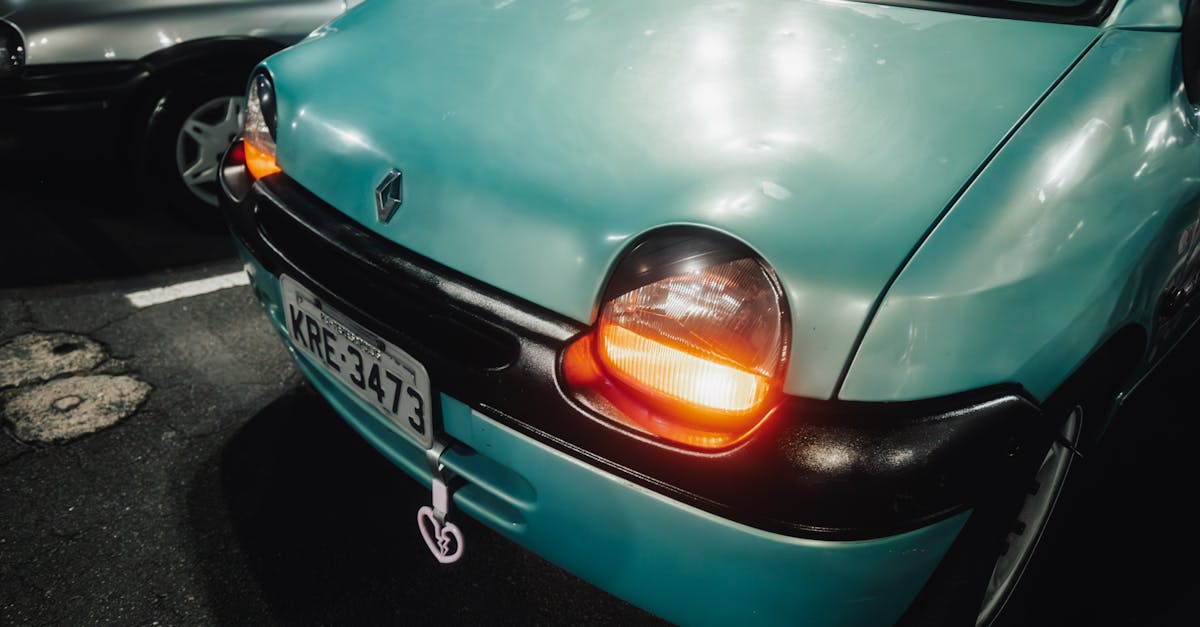
- Key stages in the development of the new electric Renault Twingo
- Innovative technologies integrated into manufacturing
- Automotive design: a return to its roots and a modern approach
- Sustainability and mobility at the heart of the design
- Digital tools and simulators at the service of production
- FAQ on the future electric Renault Twingo
In a rapidly changing automotive sector, Renault is pushing traditional boundaries with a bold approach for its next electric Twingo. This city car, iconic since the 1990s, is reborn in a completely redesigned format thanks to the integration of new technologies and an accelerated manufacturing process. The development of this flagship model, scheduled for market launch in 2026, is taking place under the banner of innovation and sustainability.
With an attractive price of close to €20,000, the future Twingo is entering a competitive market where electric mobility is becoming a major issue. Renault’s strategy is based on the intensive work carried out at the Guyancourt Technocentre, symbolizing a technological shift with the digitalization of design phases and the simplification of production cycles.
Throughout this article, an in-depth look reveals the technical behind-the-scenes, aesthetic choices, and digital advances shaping the electric Twingo. Through detailed explanations and concrete examples, the reader discovers Renault’s new industrial dynamic.
The key stages in the development of the new electric Renault Twingo
The development process of the future electric Twingo A perfect illustration of the acceleration of traditional cycles specific to the European automotive industry. Traditionally, vehicle design spanned approximately four years, incorporating prototyping phases, physical testing, and multiple validations. Renault has significantly shortened this period to just two years, halving the usual timeframe. This acceleration is made possible in particular thanks to close collaboration at the Guyancourt Technocentre, a strategic location for innovation at Renault. The use of virtual reality to simulate the car’s interior allows design and engineering teams to collaborate in near real time, make rapid adjustments, and anticipate ergonomic issues.
For example, Gilles Vidal, Renault’s design director, explains that we will soon be able to virtually see « 95% » of the final car without waiting for physical models to be manufactured. This process revolutionizes access to the various stages of the process and eliminates time lost during workshop modifications. 🔧 Design begins at the Technocentre with virtual reality and 3D modeling
⚙️ Collaboration between designers, engineers, and ergonomics specialists
- 🔍 Virtual simulations to anticipate problems and optimize the interior
- 🚗 Rapid prototyping to build a near-final first car in twelve months
- 🕹️ Advanced driving simulator testing to validate safety systems
- This well-oiled production line relies on optimized project management, which places Renault among the most agile brands in Europe. It is also part of a policy of reducing costs and improving overall vehicle quality through better anticipation from the design phase.
- Stage 🚦
Typical duration (years)
| Renault Twingo duration (years) ⏱️ | Key objectives 🎯 | 3D design and modeling | 1.5 |
|---|---|---|---|
| 0.8 | Visualize and validate the passenger compartment, optimize space | Physical prototyping | 1.2 |
| 0.4 | Test volumes, comfort, and mechanical integration | Testing and simulation | 1 |
| 0.5 | Validate performance, safety, and handling | Final production | 0.3 |
| 0.3 | Launch market launch | This clear breakdown highlights the importance of time in competitiveness and innovation capacity in the electric vehicle market. The decision to significantly reduce the duration of each phase is a key factor in the industrial success of the Twingo. | Innovative technologies integrated into manufacturing |
The manufacturing of the new electric Twingo relies on cutting-edge technologies, particularly in the use of virtual reality and artificial intelligence (AI). These tools optimize both design and safety and performance testing.
Virtual reality is used to visualize the vehicle’s near-final version even before physical production. Designers can thus modify dashboard details, seat shapes, and control layouts in real time. This gain in precision promotes better ergonomics and superior comfort for future users.
At the same time, artificial intelligence supports mechanical and software development through advanced virtual testing. Renault uses the world’s largest driving simulator, capable of reproducing real-life vehicle movements, acceleration, braking, tilting, and reactions on simulated roads. This digital innovation is a real lever for the rapid validation of features such as emergency braking and adaptive cruise control. 🤖 Artificial intelligence to detect and correct system defects 🕹️ Fully immersive driving simulator to test handling
🎥 3D visualization to refine design and ergonomics
🌐 Digital collaboration between remote development teams
- 🔄 Reduction in the number of physical tests thanks to precise simulations
- The power of the simulator, on which engineer Jacques Perot is working, requires Renault to use impressive installations: a concrete slab more than a meter thick securely anchors the device to compensate for its intense movements. This replaces numerous track testing sessions, which can be costly and risky.
- The benefit is not limited to safety but also extends to sustainability, since the reduction of physical prototypes limits waste and resource consumption, a key factor in a responsible strategy. This approach illustrates how innovation and ecology can combine in the industrial process. Technology 🚀
- Main Feature ⚙️
- Major Benefit 💡
Impact on Manufacturing ♻️
Virtual Reality
| Visualize the vehicle in 3D | Time savings, precise modifications | Reduction of physical prototypes | Artificial Intelligence |
|---|---|---|---|
| Driving Data Analysis | Flaw Detection, Rapid Corrections | Improved Safety Systems | Driving Simulator |
| Reproduction of Real-Life Conditions | Comprehensive Testing Before Manufacturing | Reduction of Physical Testing, Financial Gains | Collaborative Digitalization |
| Synchronized Remote Working | Better Coordination Between Teams | Streamlined Communication, Reduced Lead Times | https://www.youtube.com/watch?v=Z1LqCuqCKlI |
| The Automotive Design of the New Twingo: A Balance Between Tradition and Modernity | The design of this new version of the electric Twingo is a return to basics while incorporating contemporary user expectations. Renault has chosen to draw on the aesthetic DNA of the original 1993 model, particularly appreciated for its rounded shapes and cleverly compact appearance. | The round headlights and rounded rear clearly embody this visual heritage, while the lines have become more fluid and aerodynamic. Gilles Vidal, Design Director, emphasizes that this choice aims to « reconnect with the soul of the Twingo, » while offering a product perfectly suited to today’s performance and energy efficiency requirements. | The interior also maintains this philosophy, blending references to the first models with modern features. The dashboard benefits from advanced ergonomics, designed using virtual testing, to provide simple and intuitive access to the controls. The cabin is designed to maximize space while minimizing the carbon impact of its production. 🎨 Inspired by the original 1993 model for an iconic look |
🛋️ Functional interior with seats and controls reimagined in virtual reality
✨ Modern design elements to appeal to a young, urban clientele
♻️ Use of sustainable and recycled materials in the cabin This compromise between history and future is also in line with the trends observed in the automotive industry in 2025, where authenticity and sustainability are no longer mutually exclusive. Many manufacturers, like the majority of the peloton, are adapting their automotive design based on these values. Design Element 🎨
Key Feature 🔑
- Function & Impact 🚀
- Main Innovation 🌟
- Round Headlights
- Visual Signature
- Instant Recognition
Use of Latest-Generation LEDs Rounded rear endCompact design Optimized rear space Lightweight & recycled materials
| Dashboard | Ergonomic | Easy handling | Connected digital interface |
|---|---|---|---|
| Seats | Comfort and style | Modular seating | Virtual reality simulations for adjustment |
| Given that the target price is less than €20,000, the Twingo demonstrates that it is possible to offer an affordable car without sacrificing style or quality, a strategy that is proving successful in the face of fierce competition. | Sustainability and mobility: the pillars of the new Twingo’s manufacturing | In a context where electric mobility is becoming more important than ever, Renault is making a point of integrating sustainability principles into the design of this new Twingo. This approach is not limited to the electric drivetrain, but also concerns the production line, the use of materials, and the vehicle’s recyclability. Renault is focusing on several strategic areas: | ♻️ Increased use of recycled and recyclable materials in the bodywork and interior |
| 🔋 Battery optimization to ensure reliable range with a reduced carbon footprint | 🚗 Local production and short supply chains to limit transportation-related pollution | ⚡ Energy efficiency during manufacturing thanks to digital technologies that reduce waste | 🌱 Commitments to a more responsible end-of-life and advanced recycling |
| In addition to technical performance, Renault recognizes that consumer perceptions of sustainability are a determining factor. With this in mind, the Twingo is designed as a vehicle that symbolizes more environmentally friendly mobility, without compromising on driving pleasure or design. | These efforts are part of a broader European dynamic, where each manufacturer is expected to contribute to these issues. Renault’s progress, detailed in specialized reports, underscores that the automotive sector must rely on innovation and responsibility to prepare for the coming years. | Sustainability ♻️ | Action implemented ✔️ |
Key advantage 🌿
Environmental impact 🌍
Recycled materials Bodywork, interior Reduced raw material consumption
Less industrial waste
- Optimized battery
- E-Tech technology
- Longevity and increased range
- Reduced production emissions
- Local production
European factory
Reduced transportation Reduced carbon footprint Digital manufacturing
| Virtual testing | Reduced errors and prototypes | Less waste generated | The global commitment to sustainability is a response to an economic imperative but also resonates with emerging market values. Renault aims to develop an affordable yet responsible electric car, aimed at a customer sensitive to these criteria. |
|---|---|---|---|
| https://www.youtube.com/watch?v=VeNclph0Cbs | Revolutionary digital tools and simulators at the service of manufacturing | In the manufacturing of the future Renault Twingo, the use of advanced digital tools is radically changing the game. The world’s largest driving simulator, integrated into the Technocentre, is a major asset. This immersive 360-degree room faithfully reproduces driving conditions via a simulated car equipped with sensors and connected to artificial intelligence. | This cutting-edge technology allows for near-real-life evaluation of the car’s mechanics, assistance systems, and handling before it even goes into production. Jacques Perot, the simulator’s engineer, explains that « the sensations are very close to those of a real car; we can identify defects almost instantly and correct them. » |
| The benefits of these tools are numerous: | 🛠️ Rapid correction of engine and electronic defects | 🧑💻 Advanced remote testing, avoiding travel and physical mock-ups | 📉 Reduction in the number of prototypes broken during crash tests |
| 📆 Acceleration of the validation and time-to-market cycle | 🧰 Complete validation of the dashboard and ergonomics before production | These technological innovations also involve considerable logistical constraints. For example, the concrete slab poured to secure the simulator will weigh over 1,400 tons and will be sunk thirty meters to prevent excessive movement. The digital approach allows Renault to combine speed, quality, and safety. Sabine Calvo, Vice President of Engineering, states that « we now conduct many more virtual tests, which allows for significant time savings. » This time saving translates into a planned launch in late 2025, a record timeframe for this segment. | Digital Tool 🖥️ |
| Function 🛠️ | Operational Benefit ⏩ | Impact on Quality ✔️ | Driving Simulator |
Driving Condition Reproduction
Improved Safety, Increased Reliability
Virtual Reality
Cabinum Visualization and Ergonomics
Time Savings in Design and Adjustments
- Better Handling and Comfort
- Virtual Crash Tests
- Physical Impact Simulation
- Reduction in Destroyed Prototypes
- Passive Safety Optimization
Digital Collaboration
Synchronized Remote Working
| Streamlined communication | Increased responsiveness | Frequently asked questions about the future electric Renault Twingo | What is the announced price of the new electric Twingo? |
|---|---|---|---|
| The car is expected to be priced below €20,000, a very competitive price for an electric city car. | When will series production begin? | Series production is scheduled for the end of 2025, with official launch in 2026. | What are the main design advantages of this new Twingo? |
| The design combines a return to the original iconic elements, notably the round headlights, while benefiting from aerodynamic modernization and an ergonomic interior. | How is Renault reducing the development time for this model? | Thanks to extensive use of virtual reality and virtual testing in a high-performance simulator, the design and validation phases are shortened. | Is sustainability a priority in manufacturing? Yes, the use of recycled materials, the optimization of the production chain, and innovative battery management reflect a strong commitment to sustainable mobility. |
| For further information, readers can consult specialized websites that detail the interior features or discover the design secrets of this reimagined icon. | https://www.youtube.com/watch?v=YSqd9BkGLiY | ||