Why car wrapping has become the preferred solution for customizing your car in 2025
The automotive world is evolving rapidly, and with it, the methods for giving a facelift or simply personalizing a vehicle. In 2025, car wrapping is emerging as an innovative alternative to traditional painting, combining speed, low cost, and endless possibilities. While painting costs an average of €3,000 for a complete renovation, wrapping offers an economical version, accessible to all. Moreover, this technique is not limited to simple aesthetics: it also protects the bodywork against minor scratches, UV rays, and light impacts. With the rise of specialized companies like Wrap It Up or VinylStyle, it is now easier to transform a vehicle without resorting to costly and time-consuming painting.
Wrapping is, above all, a way to make a statement, stand out from the crowd, or turn your car into a mobile showcase. Combining creativity, protection, and cost-effectiveness, this trend continues to grow, driven by its ease of installation and variety of designs. Practical, reversible, and infinitely customizable, it appeals to craftspeople, businesses, and tuning enthusiasts alike. All this in a context where the car is becoming a true vehicle for individual expression. In 2025, car wrapping isn’t just a passing fad; it’s becoming a sustainable, accessible, and, above all, highly effective solution for bringing your dreams to life without breaking the bank.
The principle of car wrapping: how to cover your car with an adhesive film?
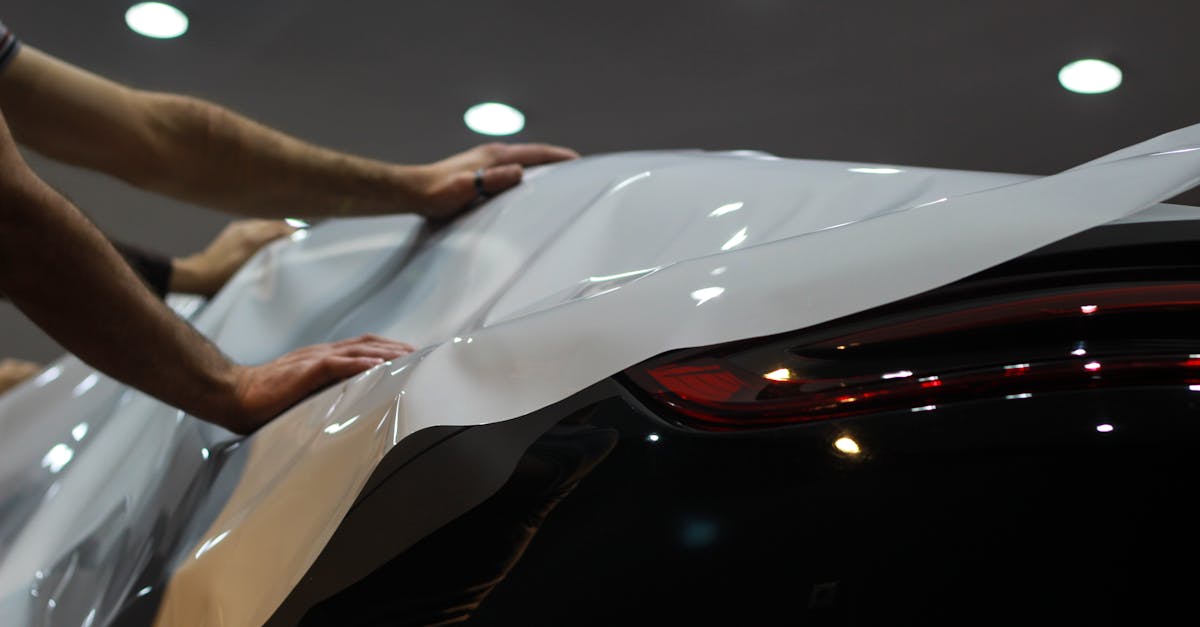
Wrapping, also known as car wrapping, involves applying a very thin vinyl film to the vehicle’s bodywork. Unlike traditional painting, this method involves « covering » the car, in whole or in part, at a significantly lower cost while offering greater creative freedom. Installation generally begins with a thorough cleaning of the surface to remove any dust or imperfections. The film is then cut to the necessary dimensions and applied from the center outward to remove air bubbles and ensure perfect adhesion.
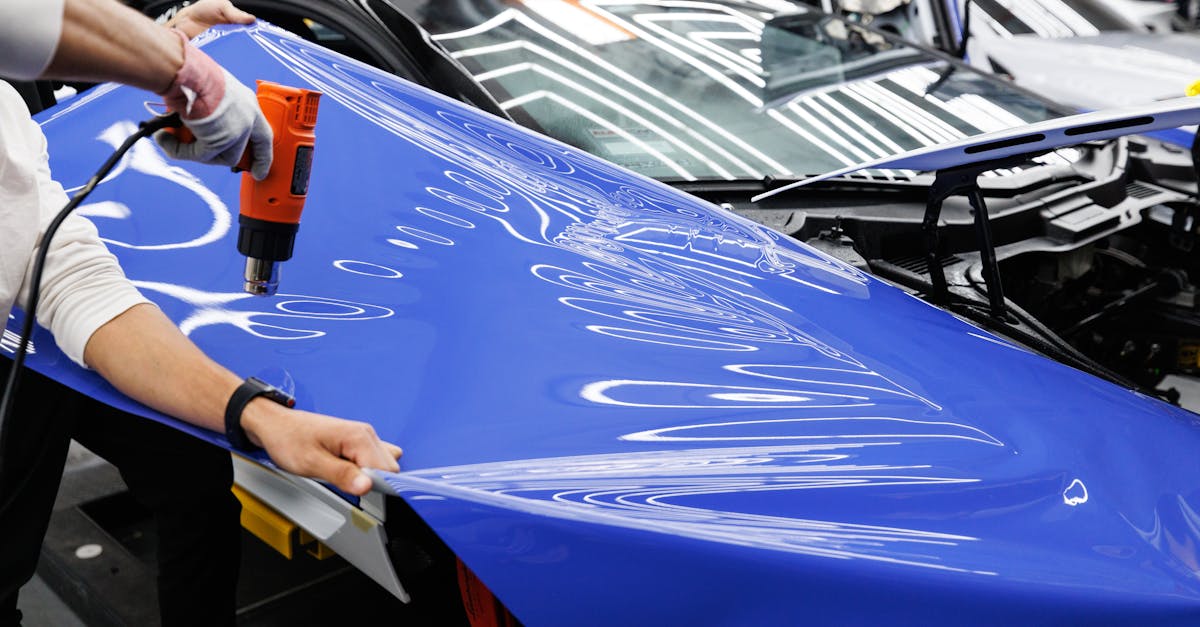
For a « full wrap, » the film is stretched over the entire bodywork, hugging every curve and corner, using heat applied with a heat gun or professional hair dryer. With a partial wrap, only certain elements such as the hood, mirrors, or doors are covered, allowing for targeted customization. The flexibility of this technique allows for the reproduction of complex patterns or graphics using digital printing, reflecting the creativity of the owner or an automotive graphic designer.
The process offers a major advantage: it is reversible. If necessary, the film can be removed without leaving any residue, leaving the original paint intact. This makes it a perfect alternative for those who like to change their style frequently or want to preserve the value of their vehicle before reselling it. However, it’s important to note that the success of a wrap is closely linked to the quality of the film and the skill of the installer. Considering specialists like CoverMyCar or Wrap & Go guarantees an impeccable finish and optimal durability.
The advantages of car wrapping: unbeatable value for money in 2025
The main advantage of car wrapping lies in its ability to offer complete customization at a lower cost compared to traditional painting. According to studies and service providers like Covering Express, the price for a professional full car wrap ranges between €2,000 and €3,000 for a mid-size vehicle. In comparison, a full paint job can easily exceed €3,000, especially if you want a precise and long-lasting finish.
Beyond the cost, car wrapping offers several other benefits:
- 🔧 Protection of the original paintwork: By covering the bodywork, the film limits the impact of UV rays, small gravel, or scratches. 🎨 A wide variety of designs
- : Everything is possible, from matte or glossy colors to digitally printed effects and 3D graphics. ⏳ Speed of intervention
- : A full car wrap is generally installed in 2 to 3 days, compared to several weeks for a complete repaint. ♻️ Reversibility
- : If the owner wishes to return to the original color or change the style, the film can be removed easily and without damaging the surface. This trend toward simplicity and cost-effectiveness is supported by the emergence of several companies such as Wrap & Go and Graphisme Auto, specialists in car graphics. Their expertise guarantees meticulous finishes, even for complex designs. To learn about all the factors that impact cost, it is recommended to consult websites such as Dreamster. Discover the art of car wrapping, an innovative method for personalizing and protecting your vehicle with high-quality adhesive films. Transform your car’s appearance while preserving its original paint!
Different types of films for a durable and attractive wrap The choice of film is crucial to ensure the durability and quality of the wrap. In 2025, several types of materials are available, each adapted to a specific use. The selection depends primarily on the desired result, budget, and expected quality. Here’s an overview of the main substrates used:Film Type
Disadvantages
Lifespan (in years)
Solid-dyed polymer vinyl 🧪
| High strength, excellent durability, good color retention | Higher cost, requires expert installation | up to 10 years | Printable vinyl 🎨 |
|---|---|---|---|
| Personalization via digital printing, varied creative options | Less UV resistant, faster degradation | approximately 5-7 years | Flexible adhesives 🌈 |
| Multiple colors, easy to apply on complex surfaces | Less resistant to prolonged deformation | 5 to 8 years | The choice of substrate must also take into account the complexity of the installation, especially for a full wrap, where the use of high-end films is recommended. For optimal results, hiring professionals like |
| CoverMyCar | or | Wrap It Up | ensures precise and durable application. Colors and Patterns: Personalize Your Car to Your Desire |
The color palette in the world of car wrapping is nearly infinite. In 2025, you can choose between matte, satin, or glossy finishes, as well as embossed or digitally printed textures. This wide range allows you to meet every desire, from a minimalist look to the most elaborate artistic design. The designs are also extremely varied. Customers can select existing designs or have a unique creation created by an automotive graphic designer. The ability to integrate logos, messages, or even 3D effects gives vehicles a unique character, often difficult to achieve with traditional paint. For those who want to personalize their car, there are DIY car decal kits available through Deco Car. What makes car wrapping such an attractive solution is its flexibility: it can cover the entire vehicle or just a single element (handles, hood, mirrors) for a discreet or extravagant touch. With the limitless customization, don’t hesitate to explore all styles to bring your ideas to fruition. Furthermore, companies like VinVinStyle and CarTune offer a range of unique designs, available on their websites and in specialized stores. Prices: How much does a car wrap really cost in 2025? In 2025, the price of car wrapping has maintained its reputation as an economical solution compared to traditional painting. For a mid-sized vehicle, you can generally expect to pay between €2,000 and €3,000 for a professional installation, depending on the complexity of the design and the type of film chosen. Several factors influence this cost, which are useful to understand before you start: 🚗
Vehicle size
: A city car costs from €1,200, while a sedan costs around €1,500 to €2,000.
🖼️ Patterns and complexity: A simple design is more affordable than a complex graphic, which can increase the cost to €600 or more.
🎨 Film type : Matte, glossy, textured, or printed films—each option influences the price. For example,
WMaRacing
displays prices online for easy comparison.
- 🔧 The professional : A seasoned specialist guarantees quality results, but at a higher cost than an amateur DIYer.
- To give you a clear idea, a simple installation on a small city car costs around €1,200, while a complete customization for a luxury car can exceed €4,000, including all the details. Whether DIY wrapping is cost-effective depends primarily on individual skill. In any case, consulting specialized websites allows you to better plan your budget and avoid unpleasant surprises. Durability and Maintenance: How Long Will Your Wrap Last in 2025? The longevity of a wrap depends on the quality of the film and the exposure conditions. In general, a high-end film can easily last up to 10 years if the installation is carried out by a professional and the car is carefully maintained. However, several factors can affect this lifespan:
- ☀️ Exposure to sun and UV rays : A car parked in a heated garage will have a longer lifespan. 🌧️ Weather conditions
- : Rain, snow, and cold can accelerate the wear of the film if the car is left exposed for long periods. 🧼 Maintenance performed
: Regular cleaning with clean water or mild products prevents deterioration of the film.
To best preserve your wrap, avoid high-pressure washing or abrasive products. The frequency of re-applications or touch-ups also depends on wear, but generally, you should budget for renewal every 5 to 8 years to maintain an impeccable finish. Keep in mind that if the bodywork has suffered impacts or dents, bodywork repairs will be required before re-installation. Regular maintenance is the key to enjoying the benefits of this innovative technique for a long time.
Frequently Asked Questions (FAQ) about Wrapping: Everything You Need to Know in 2025
- Does wrapping damage the original paint? No. If the application is done properly by a professional, the film protects the original paint and can be removed without leaving any residue. How long does it take to apply a full wrap?
- Generally, it takes 2 to 3 days for a professional installation on a medium-sized vehicle. What is the difference between wrapping and painting in terms of durability? Painting offers a more durable finish, but at a higher cost and a longer time. Wrapping is a more flexible, reversible, and faster alternative, with a lifespan of up to 10 years with a quality film and careful application.
- Can you do a wrap yourself? Yes, but it requires great care, good equipment skills, and precise know-how. Entrusting this task to a professional like CoverMyCar or Wrap & Go guarantees optimal results. Is wrapping suitable for all types of vehicles? Most vehicles, from city cars to luxury cars, can be covered provided you choose the right film, especially for complex shapes or curved surfaces.