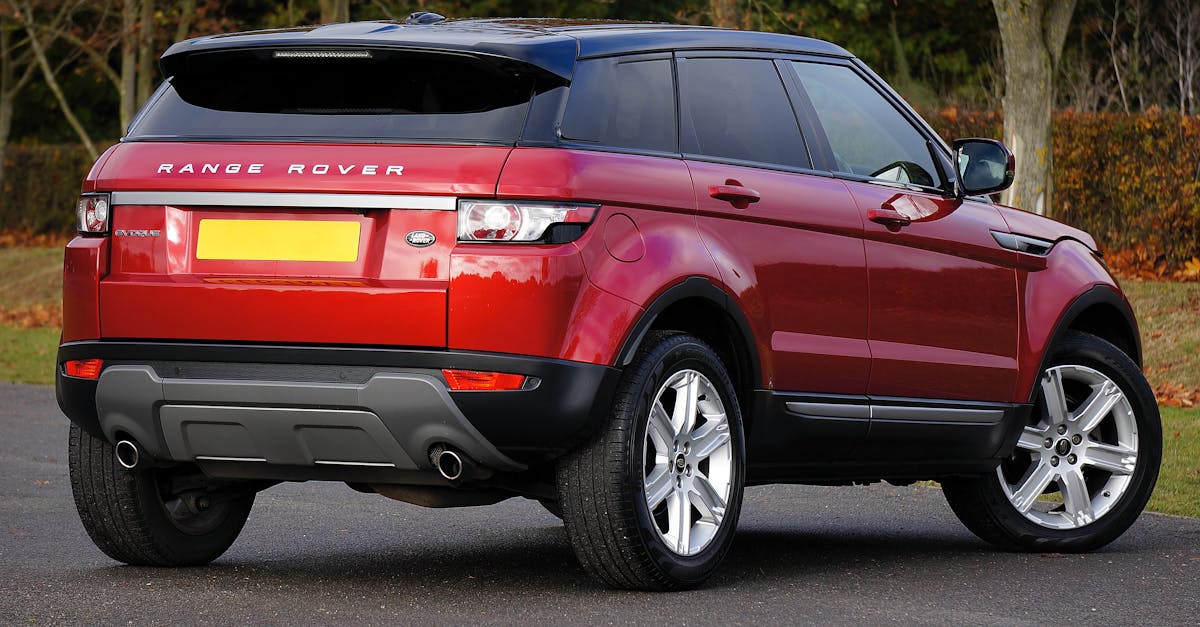
A comprehensive look at the world of 4x4s, SUVs, and crossovers in 2025
Faced with a multitude of constantly evolving models and segments, choosing the right vehicle from among the many SUVs, crossovers, and 4x4s is becoming a real challenge for the discerning driver. In 2025, the market boasts impressive diversity, ranging from timeless classics to technological innovations designed to combine performance, comfort, and ecology.
The rise of hybrid and electric SUVs, the diversification of styles, not to mention the fierce competition between manufacturers like Toyota, Nissan, Volkswagen, Jeep, and Hyundai, further complicate this selection. From 4×4 purists ready to brave any terrain to city dwellers seeking comfort and prestige, the range is expanding to meet all expectations.
This comprehensive overview is based on a series of tests, trials, and analyses to decipher each model’s qualities, innovations, and limitations. From iconic models like the Volvo XC60, nearing the end of its career, to its more modern German competitors, to all-electric newcomers like the Lexus RZ or the Ford Mustang Mach-E SUV, everything is scrutinized. French brands, such as Peugeot and Renault, are also trying to stand out with hybrid or electric SUVs that seek to appeal to a diverse audience.
This overview takes place in a context where performance, technology, and durability are becoming the top criteria for buyers. With numerous test drives available, the choice must no longer be limited to a simple crush, but rather based on a precise and critical analysis. Specialized literature, such as that available in Automobile Magazineor Caradisiac, offers a detailed analysis of each flagship model each year.
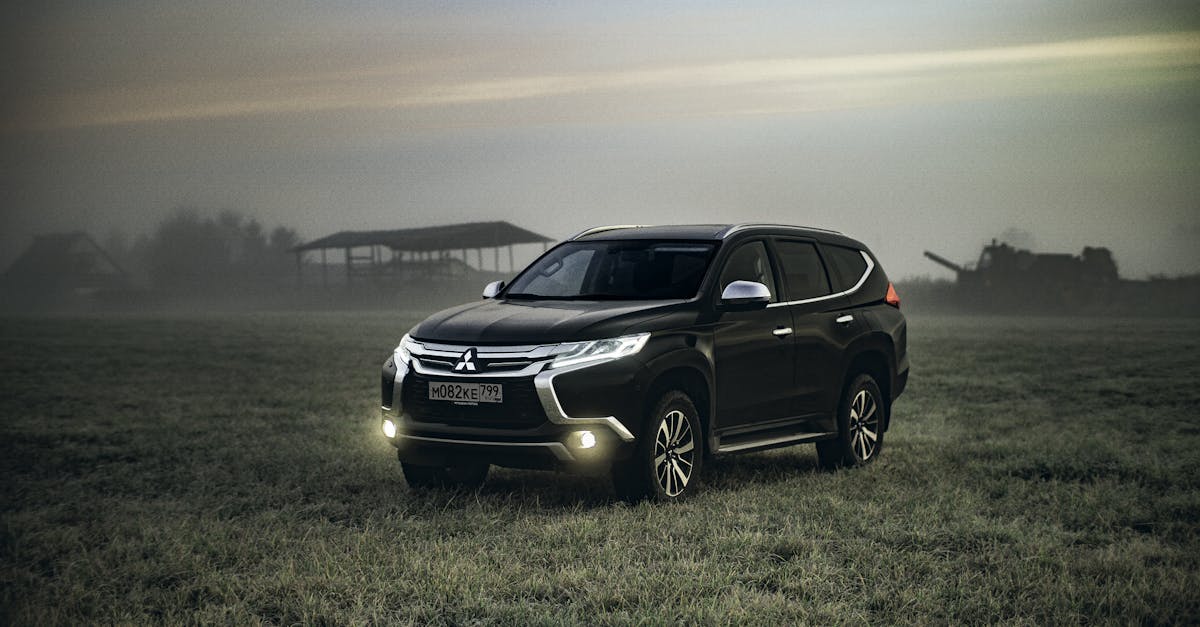
What are the trends shaping the 2025 selection of 4x4s and SUVs?
The SUV and 4×4 market is evolving rapidly, influenced by new technologies, environmental issues, and changing driver expectations. In 2025, several major trends are emerging to guide their choices. The first concerns the increased integration of plug-in hybrid and electric powertrains, to reduce carbon footprint while maintaining a certain off-road capability or long range.
This translates into models like the Cupra Terramar and the Volkswagen Tayron, which will aim to combine performance, comfort, and fuel efficiency. The second trend concerns the technological aspect, with the emergence of new gadgets such as limited autonomous driving or driver assistance systems that improve safety.
Innovations are not limited to the engine. Connectivity solutions, the digitalization of the cabin, and the integration of proactive safety equipment are becoming differentiating criteria. This constant focus on improvement, reinforced by competition between manufacturers such as Jeep, Subaru, Kia, and Hyundai, is leading to ever more sophisticated models.
| Criterion | Evolution in 2025 🚗 | Concrete examples |
|---|---|---|
| Engines | Plug-in hybrids & electric dominant | Tests of electrified modelsKia EV9, Toyota RAV4 Prime |
| Technologies | Advanced driver assistance & connectivity | Semi-autonomous driving systems, intuitive digital interface |
| Design | More futuristic and aerodynamic aesthetics | Models such as the Hyundai Ioniq 5 or Mazda CX-60 |
| Materials | Sustainable and recycled materials | Recycled plastic interiors, eco-friendly rubber |

Iconic models versus the competition in 2025: the case of the Volvo XC60
Despite the fact that in France, the Volvo XC60 seems to be overshadowed by more high-profile models like the XC40 or EX30, it remains a must-have vehicle in the mid-size category. With its eight-year history, it illustrates the longevity of certain premium models in the face of a constantly evolving offering.
The XC60 has undergone two facelifts, which have allowed Volvo to keep it in the running while retaining its core qualities: comfort, safety, and innovation. The T8 Ultra version, equipped with a plug-in hybrid engine, breathes new life into this model, allowing it to compete with its more modern and technologically advanced German competitors like the Volkswagen Tiguan or the BMW X3.
In terms of testing, the average score of 14.5/20 reflects a balanced vehicle, but not without its flaws: it highlights its safety qualities and pleasant driving experience, but is often criticized for its high price and sometimes dated connectivity. It should be noted that its test platform has regularly demonstrated strong resistance against younger but also better-equipped rivals.
Nevertheless, this model remains a consistent choice for those who prioritize durability, perceived quality, and a certain level of prestige. However, the market is evolving rapidly, as highlighted by the criticism of new electric and hybrid models that are becoming essential.
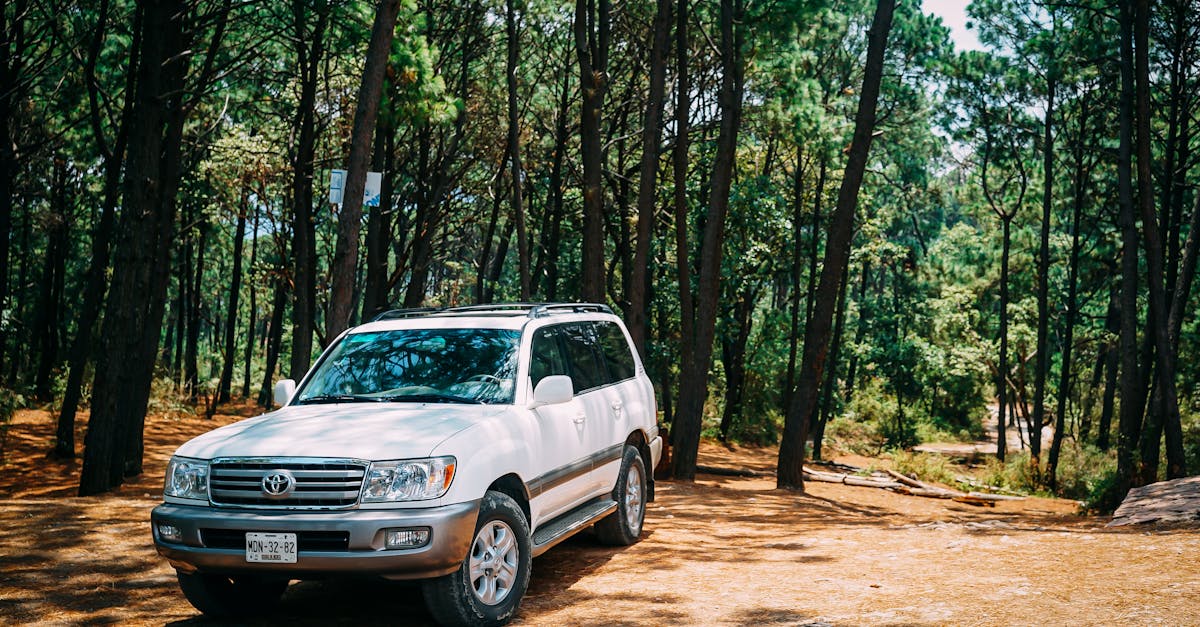
New electric and hybrid models that are revolutionizing the selection
Carbon neutrality and emission reduction requirements are now forcing manufacturers to focus on fully electric or plug-in hybrid models, and this is reflected in all SUV and crossover ranges by 2025. Brands like Nissan, Hyundai, Kia, and Peugeot are redefining their offerings to adapt to this new era.
The Nissan Ariya, for example, incorporates an advanced electric powertrain and impressive range, while the Peugeot e-2008 and the Hyundai Ioniq 5 offer a connected, dynamic, and environmentally friendly experience. Plug-in hybrid models, such as the Toyota RAV4 Prime or the Ford Kuga PHEV, are appealing for their ability to combine short electric ranges with combustion engines. Compatibility with fast charging is also becoming an essential standard.
Beyond their purely technical aspects, these vehicles also provide a solution for budget-conscious customers, thanks to renewed financial incentives and their range, which makes them an effective replacement for a conventional combustion engine car for everyday use.
Rise of electric SUVs (e.g., Kia EV9, Mazda MX-30)
- Price reductions thanks to government incentives 🏷️
- Integration of new high-density batteries
- Design of models with extended ranges (>500 km)
- Expansion of fast charging options
- Performance and comfort: what safety for the driver and passengers?
Over the years, safety has become a top priority for all SUV and 4×4 manufacturers, a prerequisite for attracting a demanding clientele. By 2025, this translates into a range of active and passive systems integrated into almost all models.
Driving aids range from sign recognition and lane keeping assistance, to automatic emergency braking and blind spot monitoring. These devices, often derived from luxury automotive technologies, are becoming simpler for safer daily use.
These features are not simply gadgets, but play a vital role in reducing the number of accidents and collisions. Stability, in particular through the presence of a good stability control system, is becoming a determining factor, especially on difficult terrain or in severe weather.
The materials used for the body and passenger compartment are also evolving, with increasing attention to strength and shock absorption. The presence of new-generation airbags, parking sensors, and 360° cameras are also part of this safety revolution.
Safety Requirements
| Innovations in 2025 🚀 | Examples and References | Driving Assistants |
|---|---|---|
| Sign Recognition, Lane Keeping, Automatic Braking | Peugeot 3008, Kia Sportage | Bodywork Technologies |
| Lightweight and Durable Shock-Absorbing Materials | Peugeot 2008, Mazda CX-60 | Vision Assistance Systems |
| Cameras, Blind Spot Monitoring Systems | Subaru Forester, Nissan X-Trail | Passive Systems |
| Innovative Airbags, Energy-Absorbing Zones | Dacia Duster, Jeep Grand Cherokee | Combinations of Style, Technology, and Price: How to Make the Right Choice? |
Consumers today face a paradox: obtaining a vehicle that combines impeccable style, advanced technology, and a reasonable price. The trade war between manufacturers such as Kia, Hyundai, Peugeot, and Subaru is pushing each brand to offer a diverse range, sometimes out of reach of some buyers’ budgets.
Entry-level SUVs, often offered by Nissan or Mazda, now offer modern features while remaining affordable. Higher-end versions from Jeep or Ford, meanwhile, offer advanced technology, such as semi-autonomous driving systems or digitalized interiors, but at prices that can exceed €50,000.
The real challenge then lies in determining priorities: do you want a vehicle with a trendy look, a comfortable electric range, or an affordable price? The answer varies depending on the profile and the vehicle’s use.
To make an informed choice, it is advisable to consult reliable sources such as
Les Voitures or Auto Moto to compare reviews and test drives. Particular attention must be paid to the compatibility between budget and equipment, without neglecting driving pleasure and safety. https://www.youtube.com/watch?v=hgOJfGTip6M
Expectations related to driving an SUV or 4×4 in 2025 mainly revolve around power, driving pleasure, and comfort. Among the models to keep a close eye on, some have already proven their durability and ability to adapt to varied terrain.
French offerings, particularly those from Peugeot with the 3008 Hybrid, which combines a plug-in hybrid powertrain with a modern interior, and Renault with its E-Tech range, are making notable inroads. The benchmark in this field, however, remains the new Cupra Terramar, which, with its 204 hp eHybrid engine, won over numerous business travelers during a road trip to Istria.
American models like the Ford Mustang Mach-E and Jeep Grand Cherokee are also establishing themselves as high-performance alternatives, combining sporty comfort and off-road capabilities. The market is also seeing the emergence of very powerful hybrid vehicles like the Subaru Outback, which offers an excellent synergy between robustness and advanced technology.
To make the right choice, it is essential to cross-reference various test sources and assess compatibility with your expectations, particularly in terms of fuel consumption, range, and price. Platforms such as Automobile Magazine and Caradisiac provide detailed analyses to guide your purchase. Frequently Asked Questions (FAQ)
What are the essential criteria for choosing an SUV or 4×4 in 2025? Engine, safety, comfort, electric or hybrid range, and value for money are among the key elements to evaluate based on your needs and budget. Which electric or hybrid model is the most efficient this year? The Kia EV9 and Mazda MX-30 were particularly noted for their range, technology, and price-performance ratio in 2025. Do plug-in hybrid SUVs offer sufficient range?
Yes, especially with models like the Toyota RAV4 Prime or the Ford Kuga PHEV, which offer nearly 50 to 60 km of pure electric range, while maintaining great flexibility with internal combustion engines.
- Which SUV should you choose for off-road use?
- Jeep Wrangler, Toyota Land Cruiser, and Subaru Outback will continue to stand out, particularly thanks to their ability to tackle difficult terrain.
- How can you compare car reviews in 2025?
- It’s advisable to consult several sources such as Turbo or Les Voitures to get a comprehensive overview of performance and innovations.