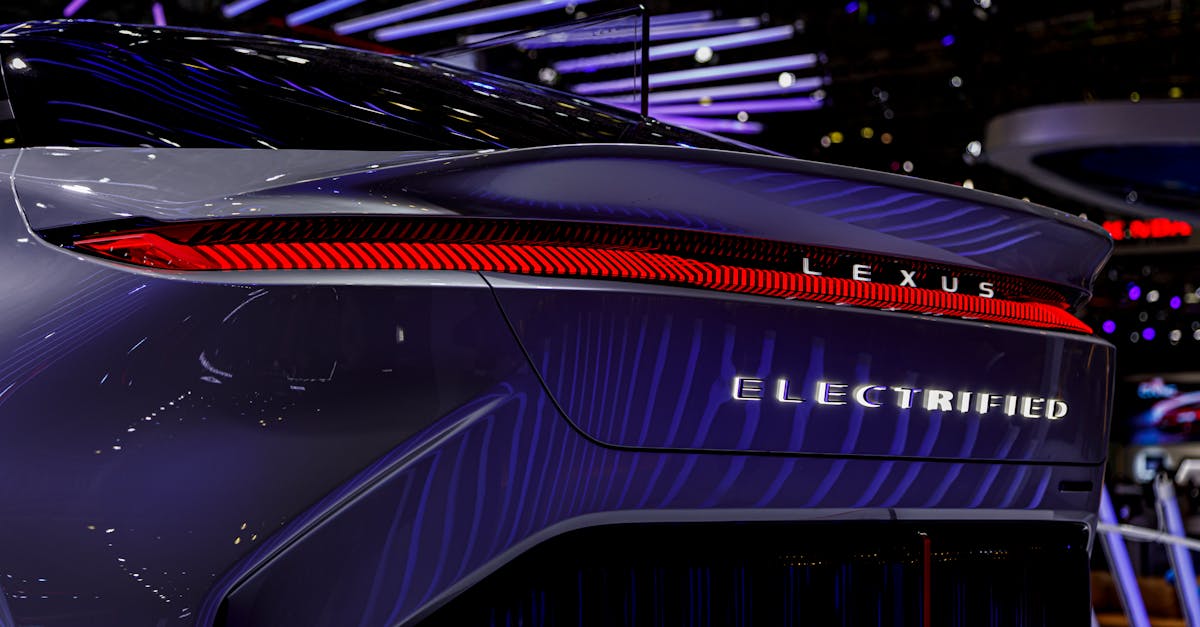
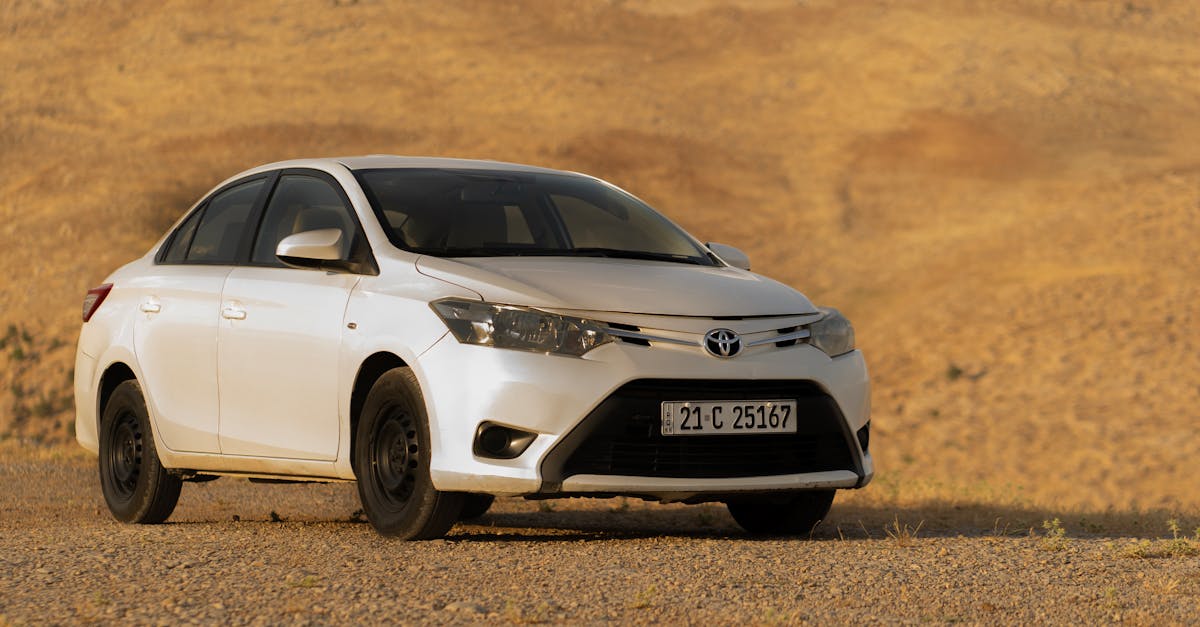
The Toyota C-HR, an SUV that never goes unnoticed, is getting a makeover in 2024 with a plug-in hybrid version. Building on its success since the launch of its first model in 2016, it seems determined to continue this momentum with this new variant, which combines performance, ecology, and a touch of sophistication. With a starting price of €44,900, the C-HR plug-in hybrid isn’t necessarily the most economical option, but it promises significant long-term savings, both in terms of fuel consumption and tax benefits. Indeed, this version is aimed at both environmentally conscious individuals and business fleets taking advantage of the still favorable tax rates on hybrid vehicles. Let’s discover the many facets of this model and what it has to offer.
A design that’s as bold as ever for the Toyota C-HR
The 2024 Toyota C-HR plug-in hybrid continues to seduce with its distinctive and avant-garde style. The coupe-like silhouette, dynamic lines, and bold graphic elements make this SUV instantly recognizable. With its sleek, futuristic look, the C-HR exudes a striking allure. The elongated headlights and prominent grille contribute to a powerful and modern impression. Discover the Toyota C-HR Plug-in Hybrid, an SUV with a bold and modern design, combining performance and ecology thanks to its plug-in hybrid technology. Enjoy a dynamic drive while reducing your carbon footprint.A unique lighting signature

Designed ergonomics for the interior
From the moment you step inside, the cabin reveals a world that is both comfortable and practical. The dashboard, although more traditional than the exterior, ensures a good quality of finish. However, there are areas for improvement, such as the large separation between driver and passenger, which can create a feeling of confinement. The storage compartments, while present, could be larger to optimize the space on board.Practical aspects of the designThe C-HR plug-in hybrid is also designed to offer satisfactory interior space, even if the rear seats could be less comfortable. Indeed, while legroom and headroom are adequate, the reduced glass surface area can hamper the sense of brightness. Furthermore, the lack of air vents for rear passengers detracts from comfort. Despite this, the overall design remains an undeniable asset for attracting customers.
Specifications
Details
Length
4.36 m Width1.80 m
| Height | 1.56 m |
|---|---|
| Trunk volume | 310 L (reduced compared to the conventional hybrid) |
| Performance and engine: the plug-in hybrid takes center stage | The C-HR plug-in hybrid is powered by a 2.0-liter combustion engine developing 152 hp, combined with an electric motor |
| of 163 hp. This configuration delivers a combined output of 223 hp, allowing the SUV to promise impressive performance. Acceleration from 0 to 100 km/h is achieved in just 7.4 seconds, positioning the C-HR as a true contender in the SUV segment. | https://www.youtube.com/watch?v=FIxUjcmCj7E |
| A Smooth Drive | Behind the wheel, the Toyota C-HR plug-in hybrid delivers remarkable smoothness, favoring a smooth, rather sporty approach. The shift between electric and combustion engines is almost imperceptible, thanks to the continuously variable transmission. This smooth operation makes for a pleasant drive, although some drivers might appreciate more pronounced steering feedback. The car encourages a relaxed driving style, ideal for optimizing energy efficiency. |
Adaptive Drive Modes
To adapt to the varying needs of drivers, the C-HR offers several drive modes to optimize energy management. These modes include: EV: Exclusive use of electricity 🚗⚡️ Auto EV/HV: Automatic transition between electric and combustion engine 🚦
Charge: Battery recharge while driving 🔋
These options provide significant flexibility depending on the type of journey.
Fuel consumption and economy: a key point of the C-HR
The Toyota C-HR plug-in hybrid is positioned as a highly economical model, especially in urban environments where its electric range of
- 66 km
- is particularly useful. Thanks to a 13.6 kWh battery, the SUV can travel significant distances without having to use the combustion engine, thus limiting fuel costs. Tests show that the vehicle achieves fuel consumption of around 5 L/100 km in relaxed driving.
- Discover the Toyota C-HR Plug-in Hybrid, an innovative SUV that combines performance and energy efficiency. With its modern design and advanced technologies, it offers a dynamic driving experience while respecting the environment. Perfect for those looking for a versatile and eco-friendly vehicle.
- Real-life results
In a test, the C-HR achieved 6.6 l/100 km (62 mpg) during more dynamic driving, which remains competitive with other models in the same category. This figure, measured after driving on national roads and in an urban environment, demonstrates a certain efficiency potential. By integrating Predictive Efficient Drive technology, which optimizes fuel consumption based on navigation, the C-HR is even closer to becoming an ideal model for modern conditions.
Tax advantages and business intrigue
In addition to fuel consumption, the Toyota C-HR Plug-in Hybrid offers attractive benefits for businesses, which can take advantage of the low tax rate available to hybrid vehicles in France. Thus, the expected sales of 20,000 units in 2024, including 20% PHEV versions, seems realistic, since the target customers benefit from both an economic and an ecological advantage. Mode Type Range (km)
Electric Mode (EV)
66 km 0 Smooth Driving (Hybrid)
—
5 l/100 km
| Dynamic Driving (Hybrid) | — | 6.6 l/100 km |
|---|---|---|
| Weaknesses: Space and Accessibility | Despite its many strengths, the Toyota C-HR plug-in hybrid also has some areas for improvement. Interior space, particularly the trunk, has been reduced by the addition of the battery, despite undeniable technical benefits. At 310 liters, the trunk capacity detracts from the overall appeal. Therefore, this model deserves to be approached with caution for those who prioritize space and accessibility on a daily basis. | https://www.youtube.com/watch?v=QIV1uWdaog8 |
| Rear Accessibility and Comfort | The rear seats offer adequate space in terms of headroom and length, but the lack of light due to the small glass surface, combined with the absence of air vents, can make journeys less comfortable. As a result, the quality of life on board, while enhanced by certain comfort features, can be considered limited for a model of this stature. Ensuring that passengers enjoy good user comfort is essential. | On-board Technology Rework |
| Finally, the multimedia system installed inside is functional and relatively intuitive, although its simple graphics make it less impressive. The menus are responsive, allowing drivers to easily navigate between the different functions. However, further refinement could have been made in this area to make the user experience more immersive. Criteria | Evaluation | Trunk volume |
310 L
Rear legroom
Rear air vents
No
Multimedia graphics
Simplicity
| Conclusion: Choosing the C-HR Plug-in Hybrid | In short, the Toyota C-HR Plug-in Hybrid positions itself on the market with an attractive proposition, capable of attracting environmentally conscious customers who also want significant performance. While it is not without its flaws, its advantages in terms of economy and technology make it a relevant choice in the compact SUV category. As a result, it could appeal to a wide range of customers. |
|---|---|
| FAQ | What is the electric range of the Toyota C-HR Plug-in Hybrid? |
| The Toyota C-HR Plug-in Hybrid offers an electric range of up to 66 km according to the WLTP cycle. | What driving modes are available on the C-HR? |
| This SUV offers several driving modes: EV, Auto EV/HV, HV, and Charge, allowing for optimized energy management. | How does the C-HR compare to its competitors? |
| In the hybrid SUV market, the C-HR boasts a unique design and advanced technology, although some rivals may offer more interior space. | What is the entry-level price of the Toyota C-HR Plug-In Hybrid? |
The starting price of the Toyota C-HR Plug-In Hybrid is €44,900.
Is the C-HR suitable for families?